
Have you ever been frustrated by a circuit breaker that keeps tripping without warning? It’s more than just an inconvenience—it can be a sign that something in your electrical system isn’t right.
Understanding why your circuit breaker keeps shutting off can help you protect your home, avoid costly repairs, and keep your family safe. You’ll discover the most common causes behind this problem and learn how to tackle them before they turn into bigger issues.
Keep reading to find out what’s really going on inside your walls and how you can fix it.
Common Causes Of Circuit Breaker Trips
Overloaded circuitshappen when too many devices use one circuit. This causes the breaker to trip for safety. It stops overheating and fire risks.
Short circuitsoccur when wires touch each other or metal. This sends a big surge of electricity, making the breaker trip quickly to protect the system.
Ground faultshappen when electricity flows outside the normal path. It can be dangerous and cause shocks. The breaker trips to stop this flow.
Faulty appliancescan draw too much power or have broken parts. They may cause breakers to trip often. Checking and fixing or replacing these helps.

Credit: crowe-electric.com
Signs Of Electrical Issues
Frequent tripsof a circuit breaker often signal an overload or short circuit. It means the breaker is protecting your home from damage.
A burning smell or sparksnear outlets or the breaker panel is a serious warning. These signs can indicate faulty wiring or overheating, which need immediate attention.
Flickering lightsmay show loose connections or a failing breaker. This problem can cause power surges or damage to appliances.
- Breaker trips often mean too much current flows through.
- Burning smells point to dangerous electrical faults.
- Flickering lights warn about unstable power supply.
How To Diagnose The Problem
Check the breaker panel for any signs of damage or burning. Look for loose wires or corrosion. A breaker that feels hot or smells burnt needs attention.
Measure the circuit load by adding the wattage of all devices on that circuit. Overloading causes breakers to trip often. Try unplugging some devices to reduce the load.
Test appliances one by one by plugging them into another outlet. Faulty devices can cause the breaker to trip repeatedly. Replace or repair any appliance that trips the breaker.
Use a multimeter to check for voltage and continuity in the circuit. This tool helps find short circuits or faulty wiring. Always turn off power before testing for safety.
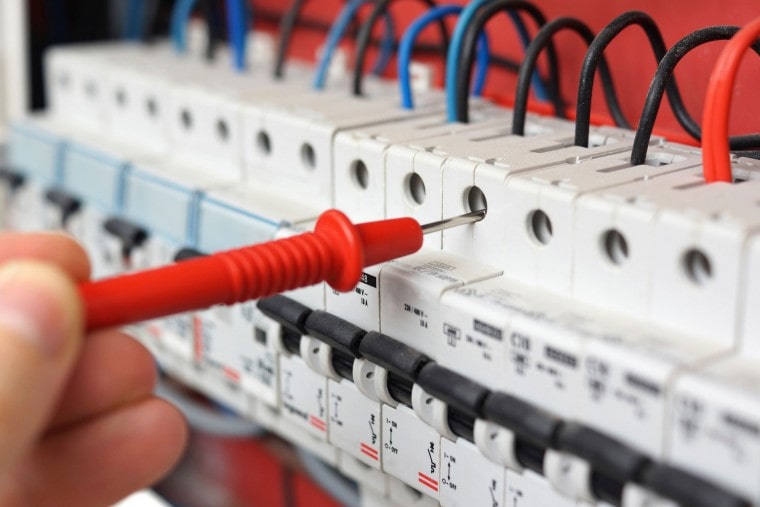
Credit: www.electricianinperth.com.au
Preventing Circuit Breaker Trips
Keeping your electrical loads balancedhelps avoid trips. Too many devices on one circuit cause overloads. Spread appliances evenly across circuits to reduce strain.
Upgrading old wiring and breakers can improve safety and performance. Modern systems handle more power and reduce faults. This helps prevent frequent trips and keeps your home safer.
- Checkbreakers regularly for signs of wear.
- Cleanconnections to avoid dirt build-up.
- Tightenloose wires carefully.
- Replacedamaged parts promptly.
When To Call An Electrician
Persistent trippingof a circuit breaker often signals a deeper problem. If your breaker trips repeatedly, an electrician should check your system soon. This could prevent bigger electrical issues or hazards.
Signs of damageinclude burn marks, melted plastic, or a strong smell near the breaker panel. These signs mean the breaker or wiring might be unsafe. Do not ignore these warning signs.
Complex electrical issueslike faulty wiring, overloaded circuits, or short circuits require expert attention. A professional can find and fix these problems safely. Avoid trying to fix complex issues yourself.

Credit: www.cowlec.com.au
Frequently Asked Questions
Why Does My Circuit Breaker Keep Tripping Frequently?
A circuit breaker trips frequently due to overloads, short circuits, or ground faults. Overloading happens when too many devices run on one circuit. Faulty wiring or damaged appliances can also cause trips. Identifying and fixing these issues helps prevent repeated tripping and ensures electrical safety.
Can Faulty Appliances Cause Circuit Breaker Trips?
Yes, faulty appliances can cause circuit breakers to trip. Defective or damaged devices may draw excessive current or create short circuits. This overload triggers the breaker to protect your home’s electrical system. Regularly inspect and repair or replace malfunctioning appliances to avoid breaker trips.
How Does Circuit Overload Lead To Breaker Tripping?
Circuit overload occurs when electrical demand exceeds the breaker’s capacity. Too many devices running simultaneously draw more current than the circuit can handle. This causes the breaker to trip, preventing overheating and potential fires. Reducing the load or upgrading the circuit solves this issue.
What Role Does Wiring Play In Breaker Tripping?
Faulty or outdated wiring can cause circuit breakers to trip. Damaged wires may create short circuits or ground faults, triggering breaker trips. Proper wiring installation and regular inspections ensure safety and prevent unexpected power interruptions. Always hire a licensed electrician for wiring issues.
Conclusion
Understanding why circuit breakers trip is essential for safety. Overloaded circuits often cause trips. Faulty appliances can also be culprits. Check for exposed wires; they might lead to short circuits. Regular maintenance helps prevent these issues. Keep an eye on electrical devices and use them wisely.
Always ensure your home wiring is up to date. Consult professionals if problems persist. Safety should always be your top priority. Knowing these basics can help keep your home secure. Stay informed and protect your electrical system.