
Have you ever been startled by the sudden click and darkness when your main circuit breaker trips? It’s frustrating, inconvenient, and sometimes even confusing.
But why does this happen? Understanding what causes your main circuit breaker to trip can save you time, money, and even prevent potential hazards in your home. You’ll discover the common reasons behind this sudden shutoff and learn how to spot warning signs before things get worse.
Keep reading—your safety and peace of mind depend on it.
Common Reasons For Tripping
Overloaded circuitshappen when too many devices use power at once. This causes the breaker to trip to stop damage. It protects wires from getting too hot and causing fires.
Short circuitsoccur when hot wires touch neutral wires. This makes a big surge of electricity. The breaker trips quickly to prevent sparks or fires.
Ground faultshappen when electricity takes a wrong path to the ground. This can cause shocks or fires. The breaker trips to keep people safe.

Credit: www.tcco.co.nz
Effects Of Electrical Surges
Electrical surgeshappen when there is a sudden increase in voltage. This spike can damage appliances and wiring. Surges can come from lightning strikes, power outages, or faulty wiring inside homes.
Other causes include turning on big machines or too many devices running at once. These surges put stress on the main circuit breaker.
| Cause of Surge | Description |
|---|---|
| Lightning | Power spikes from storms can hit wires and devices. |
| Power Outages | Sudden power return creates voltage surges. |
| Faulty Wiring | Old or damaged wires cause unstable power flow. |
| High Power Devices | Using many devices at once overloads circuits. |
Surges can make the main circuit breaker trip to stop damage. This is a safety action to protect the home’s electrical system. Frequent tripping may mean a serious electrical problem.
Worn Or Faulty Breaker Issues
Age and wearcause the main circuit breaker to trip often. Over time, parts inside the breaker can become weak or damaged. This makes the breaker less reliable and more likely to fail. Dirt and dust can also build up, affecting its function.
Manufacturing defectsmay cause problems right from the start. Sometimes, breakers have flaws that make them trip too soon or not work properly. These defects can cause safety issues and require replacement.
Environmental And External Factors
Moisturecan cause electrical parts to short-circuit. This often leads to the main circuit breaker tripping. Corrosion from moisture damages metal parts inside the breaker box. It makes connections weak and unsafe. Over time, this can cause frequent breaker trips and even fire hazards.
Rodentslike mice or rats sometimes chew on wires. Their damage exposes wires and causes short circuits. This can make the main breaker trip to protect the home. Rodent nests inside electrical panels also increase risk. Keeping the area clean helps prevent this issue.
Signs Of An Electrical Problem
Frequent trippingof the main circuit breaker often signals an electrical problem. It may happen when too many devices run at once. This overloads the circuit and causes the breaker to cut power to avoid damage. Another cause could be a short circuit, where wires touch wrongly and create a surge. This makes the breaker trip to protect your home and appliances.
A burning smell or noisenear the breaker is a serious warning. It might mean wires are overheating or melting. This can happen due to loose connections or faulty equipment. Strange sounds like buzzing or crackling also point to electrical issues. These signs need quick attention to prevent fires or damage.
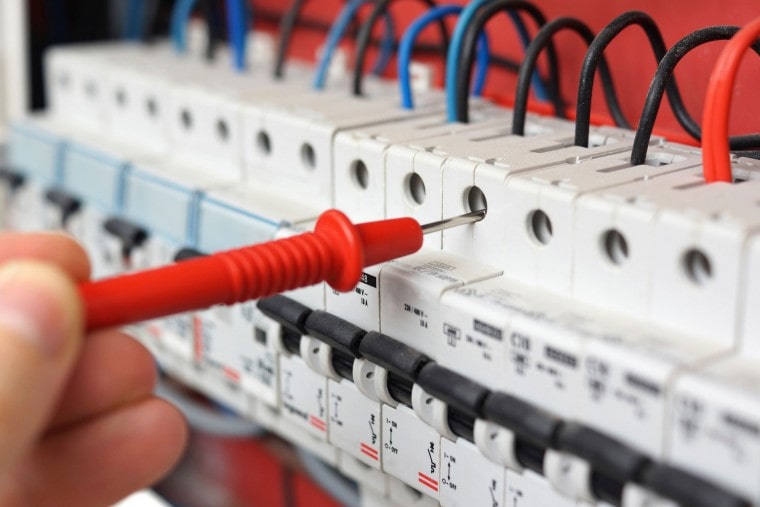
Credit: www.electricianinperth.com.au
Preventive Measures
Regular checks help spot problems early. Clean dust and dirt from panels. Tighten loose wires to avoid sparks. Check for signs of wear or damage. Replace old parts before they fail. These steps keep circuits stable and safe.
Upgrading old electrical systems can prevent frequent trips. Use circuit breakers with higher ratings if needed. Add more circuits to spread the load evenly. Replace outdated wiring with modern, safer cables. This reduces overload and keeps the system working well.
When To Call A Professional
Safetyis the top concern when dealing with electrical issues. Main circuit breakers trip to protect your home from electrical firesor shocks. Do not touch or try to fix the breaker if you are unsure. Electricitycan be very dangerous and cause serious injury.
Complex problemslike wiring faults or damaged breakers need a professional electrician. They have the tools and knowledge to find the exact cause. Fixing these issues without training can lead to more damage or risks.
- Repeated breaker trips
- Burning smells or sparks near the panel
- Visible damage to the breaker or wires
- Breaker won’t reset
Any of these signs mean it is time to call an expert. Trying to fix complex electrical problems yourself is not safe or wise.

Credit: www.onesto-ep.com
Frequently Asked Questions
Why Does The Main Circuit Breaker Trip Frequently?
Frequent trips usually indicate electrical overload or short circuits. It protects your home by cutting power to prevent damage or fire. Identifying the cause early helps avoid costly repairs and ensures electrical safety.
Can A Faulty Appliance Cause Breaker Trips?
Yes, a malfunctioning appliance can draw excess current, causing the breaker to trip. Unplug suspicious devices and test to isolate the problem. Repair or replace faulty appliances to maintain a stable electrical system.
How Does An Electrical Overload Trip The Breaker?
An overload occurs when too many devices run simultaneously on one circuit. The breaker trips to stop overheating and potential hazards. Distributing electrical load evenly can prevent frequent breaker trips.
Does Wiring Issue Cause Main Breaker To Trip?
Yes, damaged or outdated wiring can cause short circuits or ground faults. This triggers the breaker to trip for safety. Regular inspections and timely repairs keep wiring safe and functional.
Conclusion
Understanding why the main circuit breaker trips is crucial. It helps maintain home safety and prevents electrical issues. Common causes include overloaded circuits, short circuits, and ground faults. Regular checks and maintenance are essential. They prevent unexpected power interruptions and potential hazards.
Always seek professional help if unsure about electrical problems. Safety should always be a priority. Simple steps can keep your electrical system running smoothly. Stay informed and protect your home. This knowledge empowers better decisions and safe practices. Keep your electrical system in top shape.
It’s worth the effort.