
Have you ever been startled by the sudden click of your circuit breaker tripping? It’s frustrating, especially when you don’t know why it happened or how to fix it.
Understanding what causes circuit breakers to trip can save you time, prevent damage, and keep your home safe. You’ll discover the common reasons behind these unexpected power cuts and learn simple steps to stop them from happening again. Keep reading to take control of your electrical system and avoid those annoying interruptions.

Credit: www.onesto-ep.com
Common Causes Of Tripped Breakers
Overloaded circuitshappen when too many devices use electricity at once. This causes the circuit breaker to trip to stop overheating. Each circuit has a limit, and exceeding it is unsafe.
Short circuitsoccur when a hot wire touches a neutral wire. This creates a sudden surge of electricity. The breaker trips to prevent damage and fire risks.
Ground faultshappen when electricity flows outside its normal path. This often occurs if a wire touches the ground or metal parts. The breaker trips to protect people from electric shocks.
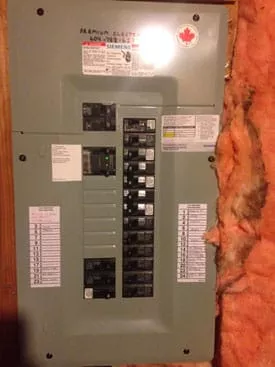
Credit: www.premium-electric.ca
Electrical Faults And Breaker Trips
Loose wiringcan cause poor connections and sparks. This leads to the breaker tripping for safety. Wires may get loose from movement or poor installation. Always check wiring if breakers trip often.
Faulty appliancesdraw too much power or cause short circuits. These problems make breakers trip to stop damage or fire. Unplug appliances one by one to find the faulty one.
Damaged breaker componentsinside the breaker can fail. Parts like springs or switches wear out. This causes the breaker to trip even when no fault exists. Replacing the breaker can fix the problem.
Environmental Factors Affecting Breakers
Moisture and corrosioncan cause circuit breakers to trip. Water inside the breaker box can lead to rust. Rust blocks electrical connections. This causes the breaker to fail and trip frequently.
Extreme temperaturesalso affect breakers. Very hot weather can make breakers overheat and trip. Cold weather can cause parts to shrink and not work well. Both hot and cold extremes harm breaker function.
Pests and physical damagecan cause problems too. Rodents may chew wires or build nests inside breaker boxes. This can cause short circuits or loose wires. Physical damage from bumps or drops can also break parts inside the breaker.
Breaker Types And Sensitivity
Circuit breakers trip to protect electrical circuits from damage caused by overload or short circuits. Different breaker types have varying sensitivity levels that determine when they shut off power. Proper sensitivity ensures safety without unnecessary interruptions.
Standard Vs. Gfci Breakers
Standard breakersprotect circuits from overloads and short circuits. They trip when current is too high. GFCI breakersdetect small electrical leaks. These leaks can cause shocks. GFCI breakers trip faster to keep people safe. They are common in bathrooms and kitchens.
Arc Fault Circuit Interrupters
Arc Fault Circuit Interrupters (AFCIs)stop fires caused by electrical arcs. Arcs happen when wires are damaged or loose. AFCIs sense these arcs and trip the breaker. They protect homes from electrical fires.
Breaker Age And Wear
Old breakers may trip more often. Parts wear out and lose sensitivity. Dust and heat also affect performance. Replacing old breakers keeps the system safe and reliable.
Preventing Frequent Breaker Trips
Proper circuit design helps prevent frequent breaker trips. Circuits should not carry more load than their capacity. Using the right wire size and breaker rating is crucial. This avoids overheating and overloading.
Regular maintenance keeps your electrical system safe. Check for loose connections and damaged wires often. Clean dust and debris from breaker panels to ensure good contact. Replace old or faulty breakers promptly.
Safe appliance usage reduces the risk of tripping breakers. Avoid running many high-power devices at once on one circuit. Turn off appliances when not in use. Use energy-efficient devices to lower power demand.

Credit: www.tcco.co.nz
Frequently Asked Questions
Why Do Circuit Breakers Trip Frequently?
Circuit breakers trip frequently due to overloaded circuits or faulty wiring. They protect your home from electrical hazards by cutting power when issues arise.
Can Old Wiring Cause Breakers To Trip?
Yes, old or damaged wiring can cause breakers to trip. It increases electrical resistance, leading to overheating and safety risks.
What Happens If A Breaker Trips Repeatedly?
Repeated breaker trips indicate a persistent electrical problem. Ignoring this may cause damage or fire. Consult an electrician for diagnosis.
How Do Power Surges Affect Circuit Breakers?
Power surges can cause circuit breakers to trip to protect devices. Frequent surges may signal electrical issues needing professional attention.
Conclusion
Understanding circuit breakers tripping helps prevent electrical issues. Overloading circuits can cause them to trip. Short circuits and ground faults are common culprits too. Regular checks ensure safety and functionality. Listen for buzzing sounds. Smell for burning odors. These signals indicate problems.
Protect your home by addressing issues quickly. Consult professionals for serious concerns. Safety first, always. Keep your electrical systems running smoothly. Stay informed and proactive. This knowledge helps maintain your home’s electrical health. Stay safe and secure. Peace of mind matters.