
Planning a trip to Europe is always an exciting adventure, but figuring out what to pack can sometimes feel overwhelming. You’ve got a limited suitcase space and a whole continent to explore!
It’s easy to overpack, underpack, or just pack the wrong things. But don’t worry, I’ve got you covered. Imagine strolling through the charming streets of Paris or lounging by the beautiful beaches of Greece, feeling confident that you’ve packed everything you need.
By the end of this article, you’ll have a clear, stress-free packing list that ensures you’re ready for anything Europe throws your way. Let’s dive in and make sure you have everything you need for an unforgettable European escape!
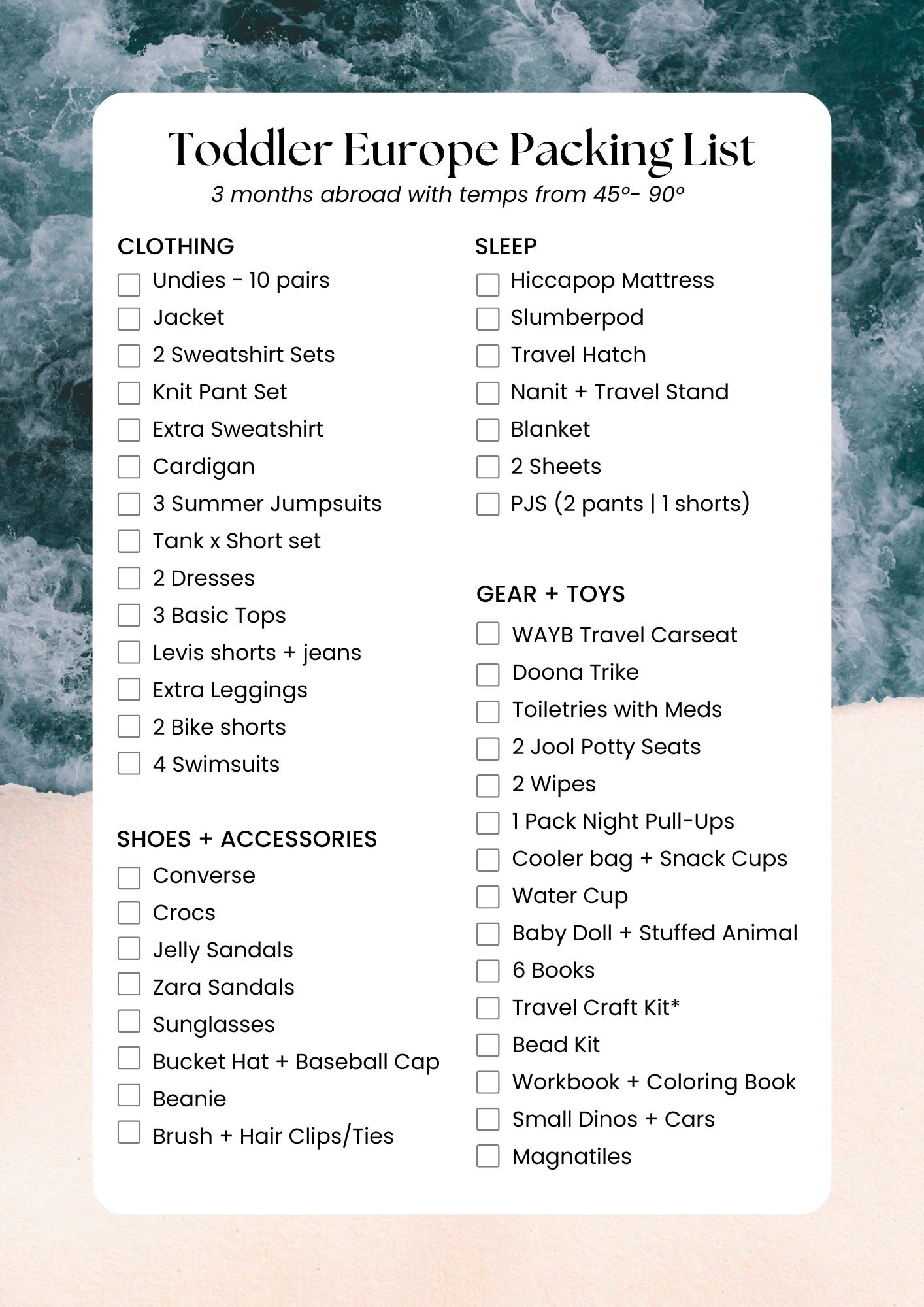
Credit: www.everydaypursuits.com
Researching The Climate
Understanding Seasonal Weatheris key to packing right for Europe. Different seasons bring different temperatures. Summer is often warm and bright. Winter can be cold and snowy. Spring and autumn are mild but can be rainy. Knowing this helps pack clothes like jackets or shorts.
Checking Local Forecastshelps you see exact weather for your trip. Use weather apps to check temperatures and rain chances. This way, you pack smart. Bring umbrellas if rain is likely. Pack sunscreen for sunny days. Always check before leaving.
Clothing Essentials
Packing light layers is smart for Europe. A t-shirt with a sweater works well. You can add or remove layers as needed. A light jacket is also handy. It keeps you warm and dry. Layering helps with changing weather.
Comfortable shoes are a must. Pack walking shoes for long days. Sneakers or boots are great options. Choose shoes that are easy to walk in. Avoid new shoes to prevent blisters. Flip-flops are good for hotel or beach.
A scarf is useful. It can keep you warm or dress up an outfit. A hat protects from sun or rain. Sunglasses are needed on sunny days. Gloves might be necessary in colder months. Always check the weather forecast.
Travel Documents
Your passportis your most important travel document. Check if it is validfor at least six more months. Some countries need a visa. Check the visa rules before you travel. Apply early to avoid problems.
Buying travel insuranceis smart. It covers medical problems or lost items. Choose a plan that meets your needs. Read the terms carefully. This helps avoid surprises later.
Make copiesof your important documents. Keep them safe in your bag. A digital backupis also useful. Store these on your phone or email. This ensures you have them when needed.
Tech And Gadgets
Europe uses different power outlets. Pack adapters to charge devices. Converters are needed for voltage changes. Some devices might not need converters. Check your device voltage first. Dual voltage gadgets don’t need converters. Always pack a universal adapter.
Travel apps help with navigation. Download maps before you leave. Offline maps save data. Language apps are useful for translations. Weather apps tell you about climate changes. Currency converters help with money. Flight trackers help with time. Use these tools for a smooth trip.
Long travel drains battery fast. Portable chargers keep devices active. Choose lightweight chargers. They fit easily in bags. Power banks are handy for long trips. Keep your phone and camera charged. Always check the battery life of chargers. Carry extra cables for safety.
Personal Care Items
Always bring a toothbrush and toothpaste. These are must-have items. Carry a small bottle of shampoo and conditioner. A bar of soap is useful too. For skin care, pack a small lotion. Lip balm is handy for dry lips. Remember to take any medicationsyou need. Keep them in their original bottles. This helps with airport checks. A pack of tissues can be helpful. Don’t forget a small comb or brush for hair.
A small first-aid kitis important. It should have band-aids and antiseptic wipes. Add pain relievers like paracetamol. A thermometer is useful too. A pack of face masks and hand sanitizer is essential. These keep you safe from germs. A small sewing kit can fix clothes quickly. Safety pins can help in emergencies. A flashlight is useful for dark places. Keep these items in an easy-to-reach bag.

Credit: m.youtube.com
Packing For Activities
For day trips, always bring a small backpack. Carry water, snacks, and a camera. A light jacket is useful in case it gets cold. Use comfortable shoes for walking. Don’t forget sunglasses and sunscreen. A map or guidebook can help you navigate. Also, keep some local currency for small purchases. A portable charger ensures your phone stays on.
Pack a nice outfit for special events. Choose dress shoes to match. Keep jewelry simple but elegant. A small clutch or bag is ideal for carrying essentials. Consider a light sweater for chilly evenings. Bring a hat for daytime events. Remember tickets and invitations if needed. A camera can capture memories of the event.
Efficient Packing Tips
Rolling clothes saves space. It also keeps them neat. Use packing cubes for organization. They help fit more in your bag. Choose lightweight clothes. Layer them for warmth. This saves space and weight.
A small suitcase is easier to carry. Look for one with wheels. This helps you move fast. A backpack can be useful. It’s great for short trips. Check airline size limits. Keep your bag within those limits.
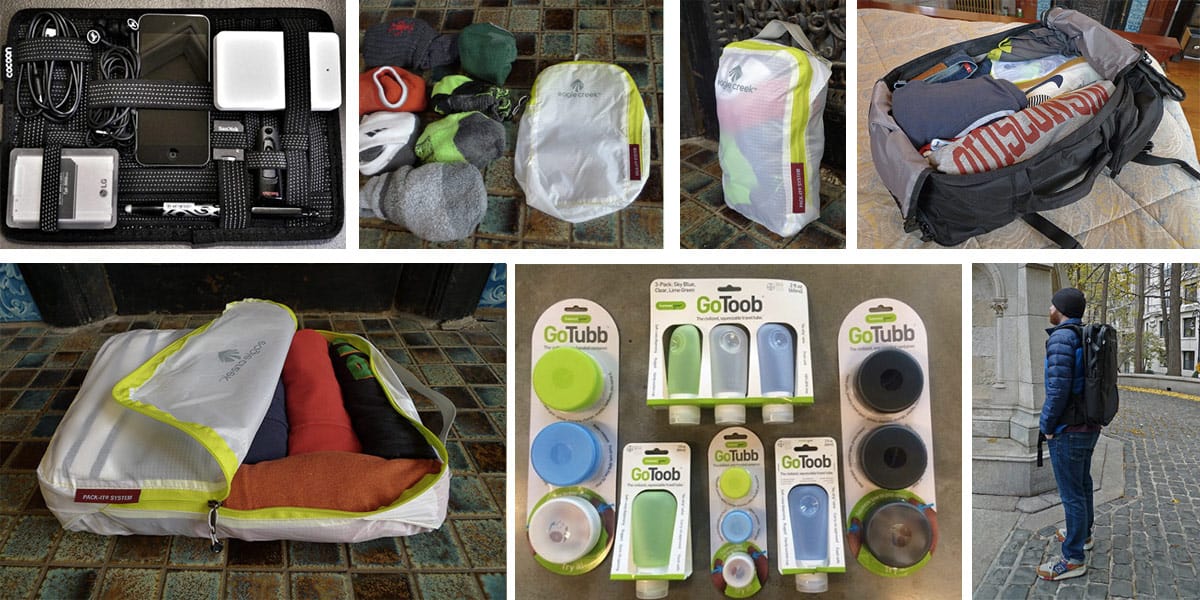
Credit: thesavvybackpacker.com
Cultural Considerations
Packing for Europe can be tricky. Many places have specific dress codes. In churches, cover your shoulders. Avoid wearing shorts. Dressing modestly shows respect. Restaurants may require formal attire. Always check before you go.
Understanding local customsis important. Each country has unique traditions. In Italy, greet with two kisses. In Spain, people eat late. In France, silence is golden in museums. Learn some basic phrases. A friendly hello goes a long way.
Frequently Asked Questions
What Is The 5 4 3 2 1 Packing Rule?
The 5 4 3 2 1 packing rule helps organize travel packing. Bring 5 tops, 4 bottoms, 3 accessories, 2 pairs of shoes, and 1 swimsuit or special item. This method ensures you pack efficiently and carry only essentials for your trip.
What Is The 1 To 6 Packing Rule?
The 1 to 6 packing rule suggests using one large box and six smaller ones for efficient packing. It helps organize items and maximize space, ensuring heavier objects are balanced with lighter ones. This technique is ideal for moving or shipping, promoting safe and easy transport of goods.
What Is The 123 Rule For Packing?
The 123 rule for packing is a simple method: pack 1 hat, 2 pairs of shoes, and 3 tops. This helps streamline your travel essentials, ensuring you have versatile clothing options without overpacking. Consider the weather and activities planned to adjust these basics accordingly.
Conclusion
Packing smart makes your Europe trip stress-free. Remember the essentials. A versatile wardrobe is key. Choose clothes that mix and match easily. Don’t forget the adapters for electronics. Toiletries should be travel-sized. A lightweight jacket helps with unpredictable weather. Comfortable shoes are crucial.
Pack a travel guide and map for navigation. Keep your documents safe and organized. A small backpack is handy for day trips. Enjoy the sights and sounds of Europe. Focus on making memories, not worrying about what you packed. Happy travels!