
Planning a backpacking trip can be exciting but also a bit overwhelming. You want to pack everything you need without carrying too much weight.
Imagine having a checklist that makes your trip easier, safer, and more enjoyable. What if you knew exactly what to bring so you never have to worry about missing something important? Keep reading, and you’ll discover the essentials that will make your backpacking adventure smooth and memorable.
Your perfect trip starts with smart packing—let’s get you ready!

Credit: sparkshikesmountains.com
Essential Gear
Choosing the right backpackis key for a good trip. Look for one that fits your body well. It should have padded strapsand a waist beltfor support. Size matters too; pick a pack that holds all your gear but isn’t too big.
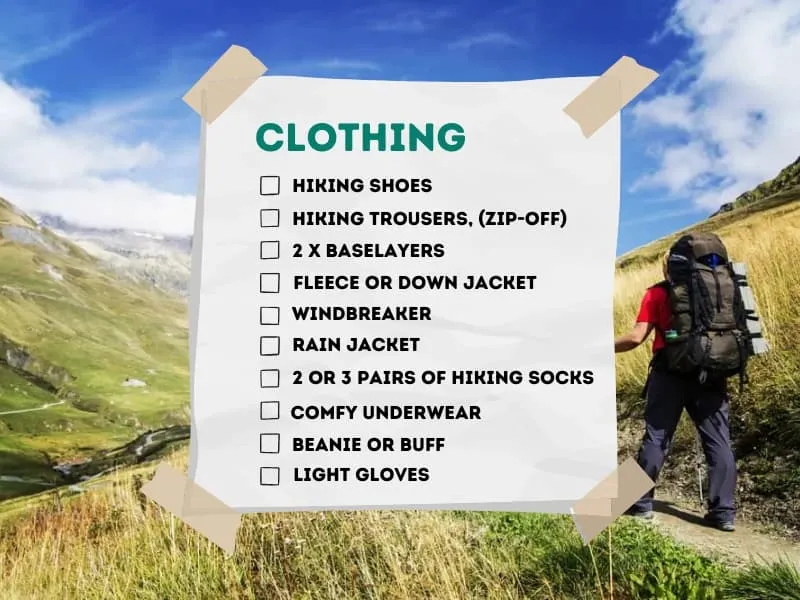
Clothing should be lightweightand quick-drying. Pack layers to stay warm or cool. A waterproof jacketis a must. Avoid cotton because it holds wetness.
- Wear breathable shirtsand pants.
- Bring a hat for sun protection.
- Pack extra socks to keep feet dry.
Footwear should match your trail. Hiking bootsgive ankle support on rough paths. Trail shoesare lighter for easy trails. Make sure shoes are broken into avoid blisters.
Credit: bookatrekking.com
Navigation Tools
Maps and compassare classic tools for navigation. Maps show the land and trails. A compass helps to find direction. They do not need batteries.
GPS devicesgive exact locations using satellites. They are easy to use and very accurate. Carry extra batteries or power banks for backup.
Mobile appscan store offline maps. They use the phone’s GPS to guide you. Make sure your phone is fully charged and bring a power bank.
- Maps and compass: No batteries, reliable
- GPS devices: Accurate, needs power
- Mobile apps: Convenient, need charged phone
Shelter And Sleep
Tents and tarpsprotect from wind, rain, and bugs. Tents offer full coverage and privacy. Tarps are lighter and can be set up in many ways. Choose a tent or tarp that fits your trip length and weather.
Sleeping bagskeep you warm at night. Pick one with the right temperature rating for your destination. Lightweight bags are good for summer. Heavier bags work better in cold places.
Sleeping padsadd comfort and insulation. They keep you off cold, hard ground. Foam pads are simple and durable. Inflatable pads are softer but need careful handling.
Credit: pangolinswithpacks.com
Cooking Supplies
Choosing the right portable stoveis key for easy cooking. Look for stoves that are lightweightand compact. Fuel type matters—some use gas canisters, others use liquid fuel. Pick one that fits your trip length and environment.
Bring cookwarethat is durableand lightweight. A small pot, pan, and a cup are usually enough. Pack utensilslike a spoon, fork, and knife made from strong materialsbut not heavy.
| Food Storage | Water Storage |
|---|---|
|
|
Safety And First Aid
A first aid kitis a must for any backpacking trip. It should include bandages, antiseptic wipes, pain relievers, and tweezers. Keep it compact but stocked for small injuries or bites.
Emergency tools like a whistle, flashlight, and multi-tool help in tough spots. A whistle can signal for help from far away. A flashlight is crucial for low-light conditions. The multi-tool offers many handy functions in one device.
Personal safety items add extra protection. Carry pepper spray or a personal alarm. Wear bright clothes to stay visible. Always let someone know your route and expected return time.
Personal Items
Pack a small bag with essential toiletries. Include a toothbrush, toothpaste, soap, and a quick-dry towel. Keep items light and compact for easy carrying.
Sun protection is a must. Bring sunscreenwith at least SPF 30. A wide-brimmed hat and sunglasses help shield your face and eyes.
Insect repellent keeps bugs away and prevents bites. Choose a spray or lotion that works well in outdoor settings. Apply it regularly, especially at dawn and dusk.
Packing Tips
Weight managementis key for a comfortable backpacking trip. Carry only essentials to keep your pack light. Choose lightweight gear and clothes. Limit food and water to what you need for the day. Remember, every extra pound adds up quickly.
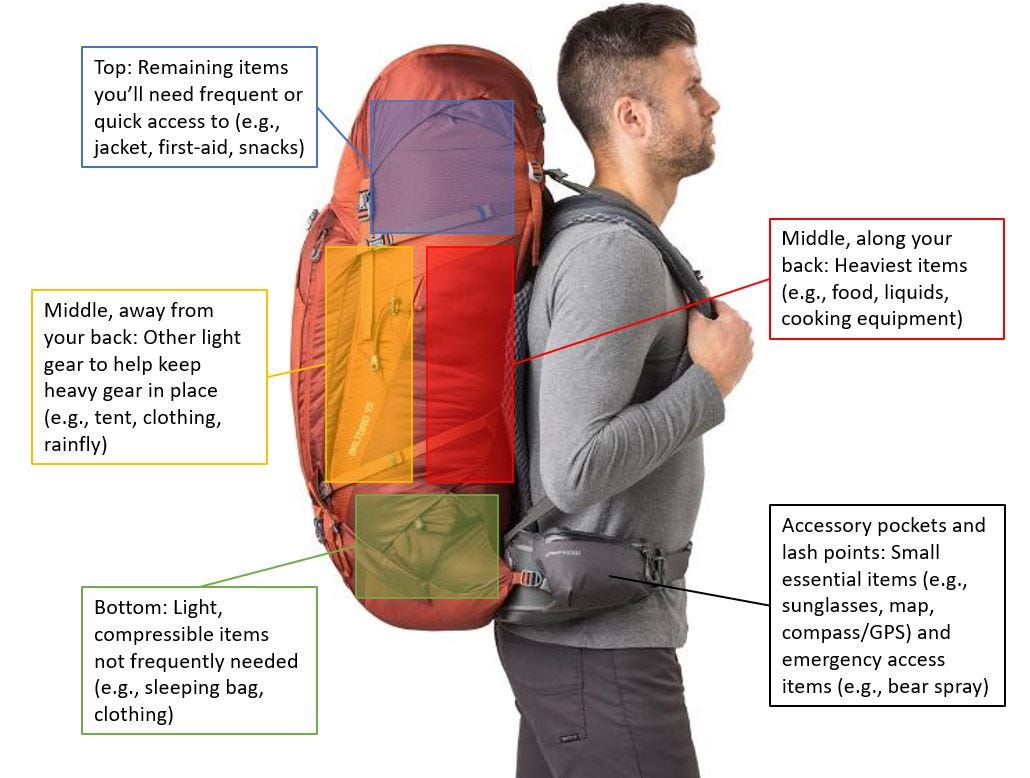
Good organization strategieshelp find items fast. Use packing cubes or stuff sacks to group similar things. Keep daily-use items like snacks and maps in easy-to-reach pockets. Roll clothes to save space and reduce wrinkles.
Weather considerationsaffect what you pack. Check the forecast before leaving. Bring layers to stay warm or cool. Pack a rain jacket or poncho for wet days. Don’t forget sun protection like hats and sunscreen.
Frequently Asked Questions
What Essential Items Should I Pack For A Backpacking Trip?
Pack lightweight clothing, a sturdy backpack, water, food, navigation tools, a first aid kit, and weather-appropriate gear. Prioritize multi-use items to save space and weight. Always include a reliable shelter and emergency supplies for safety.
How Can I Pack Efficiently For A Backpacking Trip?
Use packing cubes or compression bags to organize gear. Roll clothes to save space and reduce wrinkles. Place heavy items close to your back and distribute weight evenly. Only bring essentials to keep your pack light and manageable.
What Clothing Is Best For Backpacking Trips?
Choose moisture-wicking, quick-drying, and breathable fabrics. Layering is key: base layer, insulating layer, and waterproof outer layer. Avoid cotton since it retains moisture. Bring extra socks and a hat for sun and cold protection.
Should I Bring Food Or Rely On Local Sources?
Bring high-energy, non-perishable foods like nuts, dried fruits, and energy bars. Local food options may be limited or unavailable. Always carry enough food to sustain your energy throughout the trip. Plan meals based on trip length and activity level.
Conclusion
Packing right ensures a smooth backpacking adventure. Essentials like a sturdy backpack, weather-appropriate clothing, and reliable footwear matter. Don’t forget a first aid kit and a water bottle. Snacks keep energy up. A map or GPS is crucial for navigation.
Remember a lightweight tent or sleeping bag. Personal items like toiletries and a flashlight enhance comfort. Keeping your backpack organized helps access items quickly. Enjoy nature’s beauty while staying prepared and safe. Happy trails!