
Planning a travel itinerary can feel overwhelming, but it doesn’t have to be! Imagine transforming your next trip into an unforgettable adventure, all while saving time and stress.
By mastering the art of itinerary planning, you can unlock the secret to a seamless travel experience. Picture yourself effortlessly navigating bustling cities or relaxing on serene beaches, all thanks to a well-crafted plan tailored just for you. Ready to discover the tips and tricks that will make your travel dreams a reality?
Dive into this guide, and learn how to create an itinerary that makes every moment of your trip count.
Credit: apassionandapassport.com
Choosing Destinations
Start with places you love. Think of the cities or towns that excite you. Are there famous landmarks you want to see? Make a list of these destinations. Look for places near each other to save travel time. Check for special events that happen there. Festivals can be very fun. Consider the weather. Warm sunny days are great for exploring. Cold, snowy places might need special clothes. Read travel guides for tips. They help you find hidden gems. Ask friends for advice. They might know cool spots. Remember, safety is important. Choose places with good reviews. This keeps your trip happy and safe. It’s your adventure. Choose wisely for the best experience.
Setting A Budget
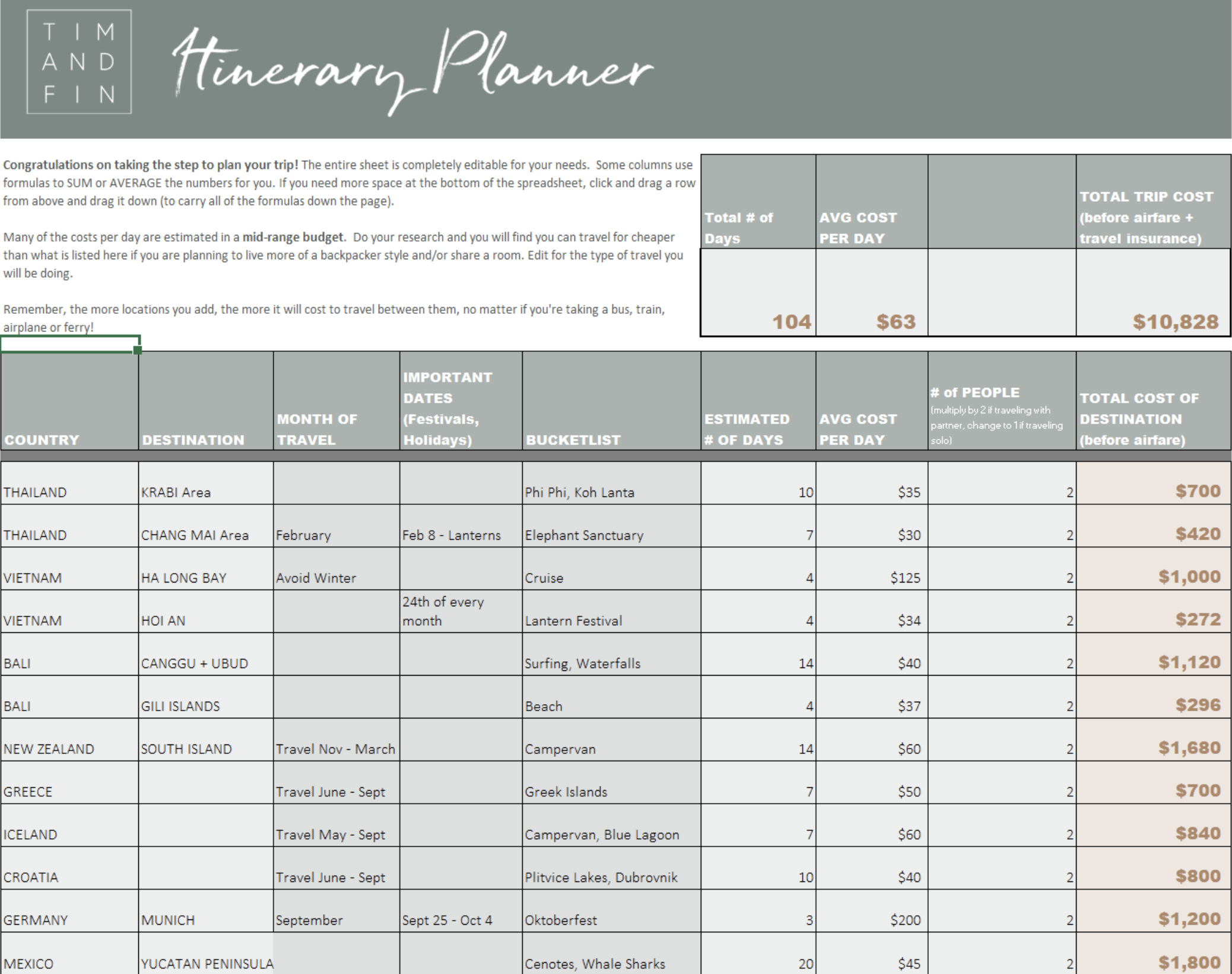
Planning a trip starts with a solid budget. First, decide how much you can spend. Consider all costs like travel, food, and fun activities. Travel costs include flights, trains, or buses. Food costs involve meals, snacks, and drinks. Activity costs mean tickets for shows or tours. Make a list of all these expenses.
Next, set aside some money for surprises. Sometimes things cost more than we think. This extra money helps with any surprise costs. Keep track of your spending while on the trip. Use a notebook or a phone app. This helps you not spend too much. Having a budget makes travel more fun and less stressful.
Researching Activities
Start by finding local attractions. This includes parks, museums, or historical sites. Check for opening hours and ticket prices. Many places offer free admission on certain days. Plan these in your itinerary. Look for guided tours. They are fun and informative. Explore online for reviews from other travelers. Reviews help in deciding the best spots. Don’t miss local festivals or events. They add special experiences to your trip. Consider seasonal activities. Some activities depend on the season. Skiing in winter, swimming in summer. Make a list of must-see places. Prioritize these in your plan.
Explore local cuisine. Find popular dishes in the area. Check reviews for the best restaurants. Eating local food is a big part of travel. Transportation is vital. Look for buses, trains, or taxis. Know the cost and schedule. This ensures smooth travel between sites. Safety is important too. Research safe areas to visit. Avoid places with bad reviews. Keep emergency contacts handy. Plan your activities wisely.
Credit: www.timandfintravel.com
Creating A Timeline
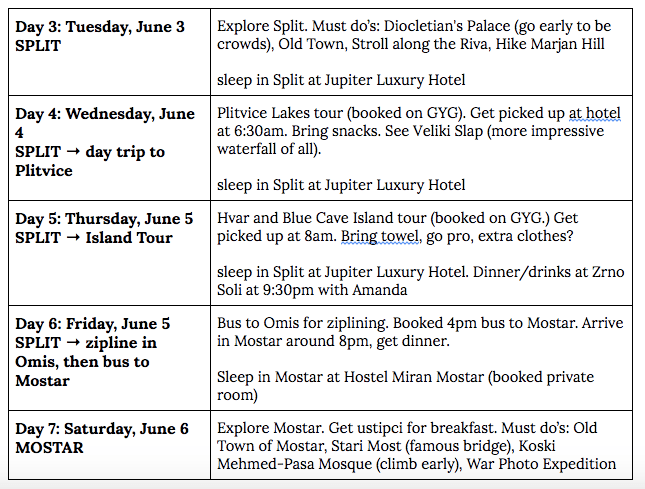
Every day needs a plan. This helps make the most of your time. Start by listing all the places you want to visit. Prioritize the ones you must see. Then, slot them into your day. Leave time for breaks and meals. Do not rush. Enjoy each moment. A good schedule keeps you relaxed. It also helps you avoid stress.
Think about travel time too. Estimate how long it takes to move between places. This helps in planning better. Keep some time free for surprises or delays. Flexibility can make your trip better. Always have a backup plan. This way, you can handle changes easily.
Set a timer for each activity. This keeps you on track. Use alarms to remind you of important events. Check traffic or transport schedules in advance. Avoid getting stuck or lost. Make notes of your plans. Review them each morning. This keeps your day organized. Stay aware of time zones. They can affect your plans.
A good plan makes travel easy. You save time and enjoy more. Stay calm and enjoy each place. Memories are the best part of travel.
Booking Accommodations
Hotels offer rooms with services like room service and pools. Hostels are cheaper, shared sleeping areas. Vacation rentals provide homes with kitchens. Bed and Breakfasts serve breakfast daily. Resorts have activities and entertainment. Camping is in nature. Motels are near highways, often cheaper. Guest houses are small, personal places.
Online platforms help find lodging easily. Websites like Booking.com and Expedia show many options. Airbnb offers unique stays. Hotels.com has hotel deals. Hostelworld is great for hostels. Travel agents can book for you. Comparison sites help find the best prices. Apps are handy for last-minute bookings.
Transportation Options
Buses and trains are great for exploring cities. They are cheap and easy to use. Taxis are also available. They are faster but cost more money. Many cities have bike rentals. Biking is fun and healthy. Walking is always an option. It allows you to see more. Use maps to guide yourself.
Planes are fast for long trips. They can be expensive. Book tickets early to save money. Trains are slower but comfortable. They let you see the countryside. Buses are affordable for long distances. They take more time. Cars offer freedom to stop anytime. Renting a car is possible in most places. Check for gas stations on your route.
Packing Essentials
Choose clothes that are comfortable and easy to pack. Layering is smart for changing weather. Lightweight jackets can keep you warm. Mix and match clothes for more outfits. Cotton is great for hot places. Quick-dry fabrics help in wet areas. Neutral colors are good for many places. Shoes should be comfy for walking. A pair of sneakers and sandals is useful. Socks should be breathable and soft. Scarves can be stylish and warm. Hats protect you from the sun.
Smartphones are handy for maps and calls. Chargers keep devices ready to use. Portable power banks are great on trips. Adapters are needed for plugs in different places. Headphones are nice for music and peace. Cameras capture fun moments and views. Tablets can entertain during travel. Smartwatches track time and health. Kindles hold many books without weight. Bluetooth speakers play music for fun.
Travel Insurance
Travel insurance offers various types of coverage. Health coverage protects you if you get sick. Trip cancellation covers unexpected changes. Baggage coverage helps with lost bags. Emergency medical coverage is crucial for accidents. Choose wisely based on your travel needs.
Picking the right policy is vital. Check what each plan covers. Compare prices and benefits. Look for reliable providers. Read reviews from other travelers. Understand the terms well. Make sure the policy fits your trip.
Staying Organized
Use apps to keep travel plans in one place. Apps help track flights and hotels. Many apps show maps and directions too. TripIt and Google Trips are good choices. They are easy to use. Most apps work on phones and tablets.
Keep all travel documents together. Use digital copies for safety. Scan passports and tickets. Save them in a cloud storage. Google Drive or Dropbox are useful tools. This way, documents are always available. Even without internet, you can access them.
Credit: www.canva.com
Safety Precautions
Good health is very important when you travel. Always carry a first aid kit. Keep medicinesfor common issues like headache and cold. Drink clean water. Eat safe food. Check for local health alerts. Get vaccinationsif needed. Protect yourself from insects. Use repellent. Wear proper clothes.
Save important numbers. Your family’s number. Local police number. Hospital number. Embassy contact. Keep these numbers handy. Write them down. Store in your phone. Share with travel partners. In emergencies, these contacts help. Find nearest help. Act fast. Stay calm. Always prepare.
Cultural Etiquette
Learning about cultural etiquetteis important. Different countries have different rules. For example, in Japan, bowing is a sign of respect. In some cultures, it is rude to point. Always greet elders first in many Asian countries. It shows respect. Dress codes can vary too. Some places require modest clothing. In some cultures, shoes are left outside homes. Remember, gestures have different meanings. A thumbs-up is friendly in some places. Elsewhere, it can be offensive. Eating habits can also differ. In India, eating with the right hand is polite.
It’s good to ask questions. Locals are usually happy to help. Learning a few local words is helpful. Words like “hello” and “thank you” are useful. Smiling is a universal gesture. It shows kindness everywhere. Respect and understanding make travel better.
Tips For Solo Travelers
Solo travel can be fun and freeing. Start by making a simple plan. List places you want to visit. Check the weather and pack smartly. Carry a map or download one on your phone. Always keep your phone charged. Safety is very important. Share your plans with family or friends. Stay at places that are safe and have good reviews. Money matters. Keep some cash with you for emergencies. Use a credit card for big expenses. Enjoy your time and make new friends. Be open to learning new things.
Frequently Asked Questions
What Are The Steps To Plan A Travel Itinerary?
Start by choosing your destination and travel dates. Research attractions and activities, then prioritize them. Allocate time for each activity, ensuring flexibility. Book accommodations and transportation. Finally, create a day-by-day schedule. Use travel apps for organization and keep local customs in mind.
How Do I Choose Destinations For My Itinerary?
Consider your interests, budget, and travel goals. Research popular attractions and hidden gems. Check safety advisories and weather conditions. Read travel blogs and reviews for insights. Prioritize destinations that align with your interests. Ensure they fit within your travel timeline.
How Much Time Should I Spend On Each Activity?
Allocate time based on activity type and personal interest. Consider travel time between locations. Allow extra time for unexpected delays. Balance between sightseeing and relaxation. Research average visit durations. Adjust plans as needed for a fulfilling experience.
How Do I Budget My Travel Itinerary?
Start by listing all expected expenses. Include transportation, accommodations, food, and activities. Use travel apps to compare prices. Set a daily spending limit. Consider travel insurance and emergency funds. Monitor currency exchange rates for international trips. Adjust plans to stay within budget.
Conclusion
Creating a travel itinerary doesn’t have to be difficult. Start with your top destinations. List activities you love. Remember to include some relaxation time. Balance is key for a great trip. Use tools like apps and maps for planning. Stay flexible for unexpected adventures.
Always check local customs and weather. Prioritize safety and health during your travels. A well-thought-out plan makes the journey enjoyable. Enjoy every moment, make lasting memories, and embrace new experiences. Your adventure awaits. Happy travels!