
Have you ever wondered why some sounds travel through air and others don’t make it beyond a solid wall? The answer lies in understanding how waves work.
Some waves need a medium to travel, while others can move through the vacuum of space. By diving into this intriguing topic, you’ll unlock the secrets behind everyday phenomena, like why you can hear your favorite music through your headphones, but not in the depths of outer space.
Get ready to explore the fascinating world of waves and discover which ones rely on a medium to reach their destination. This knowledge might just change the way you perceive sound, light, and everything in between. Curious to find out more? Keep reading to uncover the mysteries of wave travel.
Types Of Waves
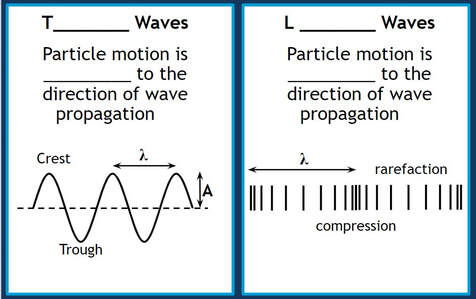
Mechanical waves need a medium to travel. They cannot move in a vacuum. These waves pass through solids, liquids, and gases. Sound is a type of mechanical wave. Sound waves travel through air. Water waves are also mechanical. They move through water. Earthquakes produce seismic waves. These move through the ground. Without a medium, these waves stop. They cannot carry energy without it.
Electromagnetic waves do not need a medium. They can travel in a vacuum. Light is an electromagnetic wave. It travels through space. Radio waves are electromagnetic too. They move through air and space. These waves carry energy. They do not need matter to move. This makes them different from mechanical waves.
Credit: hvysci.weebly.com
Mechanical Waves Overview
Mechanical waves need a mediumto travel. They move through solids, liquids,and gases. Water waves are a common example. Sound waves also travel in air. These waves can’t move in a vacuum. They rely on particles to transfer energy. The energy moves from one particle to the next. This is how the wave travels through the medium. Mechanical waves are different from electromagnetic waves. Electromagnetic waves can travel without a medium.
Mechanical waves are everywhere. Sound waves help us hear music and voices. Water waves can be seen at the beach. Earthquakes create waves called seismic waves. These waves shake the ground. Vibrations from a guitar string are mechanical waves. Waves from a drum are also mechanical waves. All these waves need a medium. They can’t move without it. Mechanical waves are important in daily life.
Sound Waves
Sound waves need a mediumto move. They travel through air, water, or solids. Without a medium, sound cannot be heard. The air is the most common medium for sound. Vibrations create sound waves. These waves push air particles around. The movement of particles carries the sound. In water, sound travels faster than in air. Solid materials carry sound even faster.
Air, water, and solids are mediums for sound. Each medium affects sound differently. Air is the easiest medium for sound. Sound moves slower in air than in other mediums. Water allows sound to move faster. This is why underwater sounds are clearer. Solids are the fastest medium for sound. Sound travels quickly through metal and wood.
Water Waves
Water waves form due to wind and other disturbances. The wind pushes water on the surface. This causes ripples and waves. The size of waves depends on wind strength. Strong winds create bigger waves. Gentle winds make smaller waves. Waves can also form due to earthquakes. These are called tsunamis. Tsunamis are very large waves. They can be very dangerous.
Water is the medium for water waves. Waves need a medium to travel. Water waves travel through water. The medium allows energy to move forward. Without water, waves cannot exist. Waves carry energy across the water surface. This energy makes things move. Waves can move boats and other objects.
Seismic Waves
Seismic waves shake the ground. They come from earthquakes. Three types of seismic waves exist. Primary (P) waves are the fastest. They move through solids, liquids, and gases. Secondary (S) waves are slower. They only travel through solids. Surface waves are the slowest. They cause the most damage. These waves roll along the Earth’s surface.
Seismic waves need a medium to travel. Earth’s layers act as mediums. Rocks, soil, and water carry these waves. P waves pass through all mediums. S waves can’t pass through water or air. Surface waves move along the top layer. They affect buildings and roads. The medium changes the wave speed. Different layers mean different speeds.
Surface Waves
Surface waves move along the surface of a medium. They are different from other waves. These waves combine longitudinaland transversemovements. Imagine a wave in the ocean. It moves up and down and side to side. This is how surface waves work. They travel slower than other waves. But they can cause more damage. Earthquakes produce surface waves. They shake the ground and buildings.
Surface waves need a medium to travel. Water, air, and ground are common mediums. Water waves need the sea or a lake to move. Sound waves travel through the air. Earthquake waves move through the ground. Without a medium, these waves cannot exist. The medium affects the speed and size of the wave. Soft ground makes waves slower. Hard ground lets them move faster. The medium is very important for surface waves.
Waves In Different Mediums
Waves can travel through solid mediums like rocks and metals. Sound waves are a good example. Sound travels faster in solids than in air. Particles are tightly packed in solids. This allows waves to move quickly. Earthquakes send waves through solid earth. These are called seismic waves. Seismic waves help us study the Earth’s inside.
Liquid mediums also allow waves to move. Ocean waves travel through water. Sound travels slower in liquids than in solids. But it travels faster than in gases. Whales use sound waves to talk in the ocean. Liquids can carry different wave types. Some waves make water splash. Others make soft ripples.
Gas mediums are like the air around us. Sound waves need air to reach our ears. In gases, particles are far apart. This makes sound travel slower than in solids or liquids. Light waves do not need a medium. They travel through space without air. But sound needs a medium like air to travel.
Impact Of Medium On Wave Speed
Wave speedchanges depending on the medium. Water waves move slower than sound waves. Air, water, and solids are different mediums. Each affects wave speed differently. Air allows sound waves to travel fast. Water slows them down. Solids let them move even faster. The density of a medium matters. Denser mediums slow wave speed. Less dense mediums speed it up. Temperature also affects speed. Warmer temperatures increase speed.
Several factors change wave speed. Medium densityis important. Dense mediums slow waves down. Less dense mediums speed them up. Temperature plays a role too. Higher temperatures increase speed. Lower temperatures slow it down. The type of wave matters. Water waves and sound waves are different. Each type reacts differently to mediums. Wind and obstacles can affect speed. Strong winds change direction and speed. Obstacles block or redirect waves.
| Medium | Wave Type | Speed |
|---|---|---|
| Air | Sound | Fast |
| Water | Sound | Slower |
| Solid | Sound | Fastest |
| Water | Water Wave | Slow |
Applications Of Mechanical Waves
Mechanical waves are used in many devices. Radios use them to send sounds. Televisions use them for pictures. Sonar is another technology that uses mechanical waves. It helps ships find things underwater. Speakers also use these waves to play music. Phones use mechanical waves too. They help send voices from one phone to another. Mechanical waves are important for many communication tools.
Mechanical waves help study the environment. Seismographs use them to study earthquakes. They measure how strong an earthquake is. Oceanographers use mechanical waves to learn about the sea. These waves help study how water moves. They can also help measure temperatures in oceans. Wind turbines use mechanical waves to study air. They help understand how wind moves. Mechanical waves are helpful for studying nature.

Credit: slideplayer.com
Challenges In Wave Transmission
Sound waves need a medium like air or water for transmission. Without a medium, sound cannot travel. This makes communication difficult in space, where no air exists.
Obstacles And Barriers
Waves face many obstacles. Buildings can block waves. Trees can absorb energy. Hills and mountains reflect waves. These barriers slow down wave travel. Waves lose energy when blocked. Dense materials stop waves more than light ones. Waves move best through open air. Thick walls are big obstacles.
Solutions And Innovations
Scientists find ways to help waves travel. Special devices help waves move. Antennas send waves past barriers. Reflectors guide waves around obstacles. Engineers design new materials for better wave travel. Thin layers help waves pass through walls. Smart technology finds paths for waves. Waves can travel faster and farther now.

Credit: www.youtube.com
Frequently Asked Questions
What Waves Can Only Travel Through A Medium?
Mechanical waves require a medium to travel. Examples include sound waves, seismic waves, and ocean waves. They move through solids, liquids, or gases, transferring energy through particle interaction. Mechanical waves cannot travel through a vacuum, unlike electromagnetic waves, which can move through empty space without a medium.
What Waves Pass Through A Medium?
Mechanical waves, like sound and seismic waves, pass through a medium. They require a material to travel. These waves transfer energy through vibrations in solids, liquids, or gases. Electromagnetic waves, such as light, can travel through both a medium and a vacuum, but mechanical waves need a medium for propagation.
What Waves Require A Medium For Transmission?
Mechanical waves require a medium for transmission. Examples include sound waves, water waves, and seismic waves. These waves travel through solids, liquids, or gases by causing the particles within the medium to vibrate. Without a medium, mechanical waves cannot propagate and would cease to exist.
Conclusion
Understanding waves needing a medium is essential. Sound, water, and seismic waves rely on mediums. They travel through air, water, and earth. These mediums allow energy transfer. Without them, wave movement halts. Recognizing this helps in science and daily life.
It explains why sound can’t travel in space. Knowing the basics of wave transmission aids comprehension of natural phenomena. It enriches our grasp of everyday experiences. Waves shape our world through sound, movement, and interaction. Appreciating their journey enhances our connection to the environment.
Dive deeper into wave study for broader insights.