
Planning a backpacking trip? One of the biggest challenges is deciding what to pack.
You don’t want to carry too much weight, but missing something important can turn your adventure into a struggle. Imagine being miles away from help and realizing you forgot a crucial item. That’s why knowing exactly what to take can make all the difference.
This guide will help you pack smart, stay comfortable, and enjoy every step of your journey. Keep reading to discover the must-have essentials that will make your backpacking trip easier and more fun.
Essential Gear
A good backpackis key for comfort and space. Choose one with padded strapsand a hip beltto carry weight well. Size depends on trip length; a 40-60 liter bag works for most.
Pick clothesthat dry fast and keep you warm. Layers are best: a base layer, a warm middle layer, and a waterproof outer layer. Avoid cotton; it holds water and chills you.
Good footwearprotects your feet on rough trails. Hiking boots offer ankle support and grip. Break them in before your trip to avoid blisters. Also, pack extra socksto keep feet dry.
Camping Equipment
Atentis essential for shelter. Choose a tent that is lightweightand easy to set up. A good tent protects from rainand wind. Consider a rainflyfor extra weather protection.
Sleeping bags should match the season. Use a bag rated for the lowest temperatureyou expect. Sleeping pads add comfortand insulationfrom the cold ground. Inflatable or foam pads are common choices.
Cooking supplies must be compactand light. A portable stoveis better than open fire in many places. Bring fuel, matches, and a lighter. Carry a pot, spoon, and a small cutting boardfor meals.
Navigation Tools
Maps and compass are the classic tools for navigation. A paper map shows the area and trails clearly. A compass helps you find directions fast. Both work without batteries or signal, so they are very reliable.
GPS devices offer precise location tracking. They store maps and routes. Battery life is a key factor to check before your trip. These devices work well in remote areas where phone signals are weak.
Mobile apps provide easy access to maps and tracking. Many apps allow offline use after download. Carry a power bank to keep your phone charged. Apps may also include extra info like weather and emergency contacts.
Food And Water
Meal planningis key for a backpacking trip. Carry lightweight, easy-to-cook foods like rice, pasta, or dehydrated meals. Plan meals for each day to avoid carrying extra weight. Use a small, portable stove or campfire for cooking. Choose foods with high calories and nutrients to keep energy up.
Water filtrationensures safe drinking water. Carry a compact water filter or purification tablets. These tools help remove bacteria and dirt from natural water sources. Always refill water from rivers, lakes, or streams after filtering. Staying hydrated is crucial for energy and health.
- Snacks and energy barsprovide quick fuel. Pack nuts, dried fruits, and granola bars.
- Choose bars with high protein and fiber for lasting energy.
- Keep snacks handy for breaks during hiking.
Safety And First Aid
A first aid kitshould include bandages, antiseptic wipes, and pain relievers. Add tweezers for splinters and adhesive tape. Keep allergy medicine and any personal prescriptions inside. Always carry a small manual or instruction leaflet for emergencies.
Essential emergency gearincludes a whistle, flashlight with extra batteries, and a multi-tool. A space blanket helps keep warm in cold weather. Carry waterproof matches or a lighter for fire-starting needs.
- Personal safety itemssuch as a whistle or pepper spray can help.
- Wear a sturdy watch and carry ID and emergency contact info.
- Use a small mirror to signal for help if needed.

Credit: www.cabinzero.com
Clothing Layers
Base layersare worn next to your skin. They help keep you dry by moving sweat away. Choose light, stretchy materials like polyester or merino wool. Avoid cotton because it holds moisture and feels cold.
Insulation layerskeep you warm. Fleece jackets or down vests work well. These layers trap heat close to your body. You can add or remove them based on the weather.
Outer shellsprotect you from wind and rain. Look for waterproof and breathable jackets. These shells block water but let sweat escape. A good shell keeps you dry without feeling sweaty.
Personal Items
Toiletriesinclude a toothbrush, toothpaste, soap, and deodorant. Pack travel-sized items to save space. A small towel and wet wipes are handy for freshening up. Don’t forget sunscreen and insect repellent to protect your skin.
Electronicsshould be limited to essentials. Bring a phone, charger, and possibly a power bank. A compact camera can capture memories. Headphones help pass time during travel. Keep devices in waterproof bags for safety.
Documentationis vital for any trip. Carry your passport or ID, travel tickets, and reservation confirmations. Keep photocopies of important papers in case of loss. A small notebook can help record important details or contacts.

Credit: gearjunkie.com
Packing Tips
Distribute weight evenlyin your backpack. Put heavy items close to your back to keep balance. Place lighter things on top or far from your back. This helps you walk longer without pain or strain.
Keep gear organized using compartments and stuff sacks. Group similar items like clothes, food, and tools. This way, you can find what you need quickly without unpacking everything.
Minimize bulkby choosing small, lightweight gear. Roll clothes instead of folding to save space. Leave extra or non-essential items behind. Every ounce counts on a long trip.
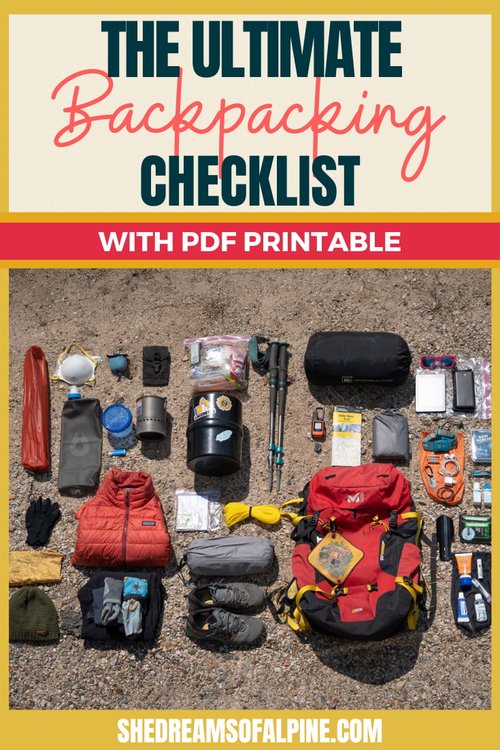
Credit: www.shedreamsofalpine.com
Frequently Asked Questions
What Essentials Should I Pack For A Backpacking Trip?
Pack lightweight clothing, a sturdy backpack, a sleeping bag, first aid kit, water bottle, and navigation tools. Include snacks, a multi-tool, rain gear, and a headlamp to stay prepared for various conditions and emergencies.
How Can I Keep My Backpack Light And Organized?
Use packing cubes or stuff sacks to separate items. Prioritize multi-use gear and avoid overpacking. Distribute weight evenly and pack heavier items close to your back for balance and comfort.
What Food Is Best For Backpacking Trips?
Choose lightweight, non-perishable, high-calorie foods like nuts, dried fruits, energy bars, and dehydrated meals. Opt for easy-to-cook options that provide energy and nutrition without adding bulk or weight.
How Do I Stay Safe While Backpacking Alone?
Inform someone about your route and schedule. Carry a map, compass, and emergency whistle. Stay on marked trails, avoid risky areas, and be aware of weather changes and wildlife.
Conclusion
Packing right makes your backpacking trip enjoyable and stress-free. Remember to take essentials like food, water, and clothing. A good map and compass help you navigate easily. Don’t forget a sturdy tent and sleeping bag for comfort. A first-aid kit is important for safety.
Pack light but smart to avoid fatigue. Always check the weather forecast before leaving. Each item has its purpose. Every trip is unique, so adjust your list accordingly. Enjoy nature. Embrace the adventure. Happy backpacking!