
Dreaming of the cherry blossoms in Kyoto or the bustling streets of Tokyo? As you get ready to explore the Land of the Rising Sun, a bit of preparation can transform your trip from good to unforgettable.
Imagine stepping off the plane, feeling confident and excited, not overwhelmed. This guide is crafted just for you, ensuring you know exactly what to do before traveling to Japan. Dive in, and discover how a few simple steps can enhance every moment of your adventure.
Ready to make your trip seamless and full of memorable experiences? Keep reading to uncover the essential tips that will make your journey smooth and stress-free.
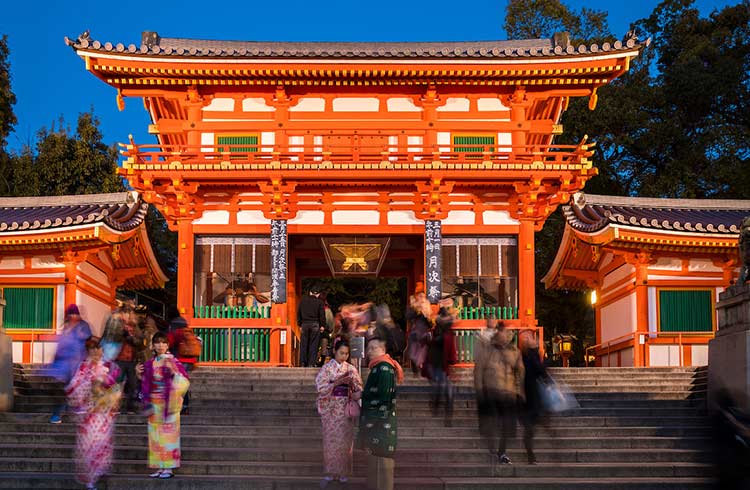
Credit: www.worldnomads.com
Research Cultural Norms
Respecting others is very important in Japan. Bowing is a common way to greet. A slight bow shows respect. Talking quietly in public places is good. Public spaces are often quiet. Keep phones on silent mode. Avoid making calls in public transport. Removing shoes before entering homes is a must. Use slippers provided. In restaurants, wait to be seated. Saying “itadakimasu” before eating shows gratitude.
Dressing modestly is appreciated. Clean and neat clothes are a must. Avoid very bright outfits. In temples, cover shoulders and knees. Public baths require nudity. Leave clothes in lockers. Tattoos might need covering in some places. Business meetings need formal attire. A suit is often required. Casual wear is fine for sightseeing. Always carry a jacket or sweater. Weather can change quickly. Dress suitably for each occasion.
Plan Itinerary Wisely
Japan has many beautiful cities. Tokyo is the biggest city. It has tall buildings and many shops. Kyoto is famous for old temples. People love the cherry blossoms there. Osaka is known for delicious food. Try their famous street food.
Each season has its own beauty. Spring has cherry blossoms. They look like pink clouds. Summer brings festivals with fireworks. Fall colors are bright and rich. Winter is perfect for hot springs. Snow covers the mountains.
Prepare Travel Documents
Many travelers need a visato enter Japan. Check if your country requires one. Apply for your visa early. Some visas take time to process. A tourist visausually allows you to stay for 90 days. Ensure your passport has at least six months validity. This is important for visa approval.
Always carry your passport. It is your main ID in Japan. Make a copy of your passport. Keep it in a safe place. You might need it in emergencies. Bring other IDs like a driver’s license. Sometimes hotels ask for extra ID. Make sure all IDs are valid. Check expiry dates before traveling.
Learn Basic Japanese Phrases
Preparing to visit Japan involves learning basic Japanese phrases. These simple words can improve your travel experience and interactions. Practice common greetings to connect with locals and enhance your journey.
Commonly Used Greetings
Learning a few greetings helps a lot. Saying “Hello” is “Konnichiwa.” “Good Morning” is “Ohayou Gozaimasu.” “Good Evening” is “Konbanwa.” Use “Arigatou” for “Thank you.” “Sumimasen” means “Excuse me.” “Sayonara” means “Goodbye.” Knowing these words can make your trip smoother.
Essential Travel Vocabulary
Understanding travel words is useful. “Eki” means “Station.” “Jousha” is “Boarding.” “Pasupooto” is “Passport.” “Chizu” means “Map.” “Kippu” means “Ticket.” “Benjo” is “Bathroom.” “Kankou” means “Tourism.” Use these words for a better trip.
Understand Currency And Payments
The Japanese yen is Japan’s money. It is written as ¥. Coins and bills have different values. Coins are 1, 5, 10, 50, 100, and 500 yen. Bills are 1000, 2000, 5000, and 10000 yen. Exchange rates change. Check rates before you change money.
Credit cards are not used everywhere. Many shops prefer cash. Have enough yen with you. ATMs in Japan are different. Some ATMs may not accept foreign cards. Check if your card works at Japanese ATMs. You can find useful machines in big cities. Always plan your spending ahead. It helps avoid trouble.
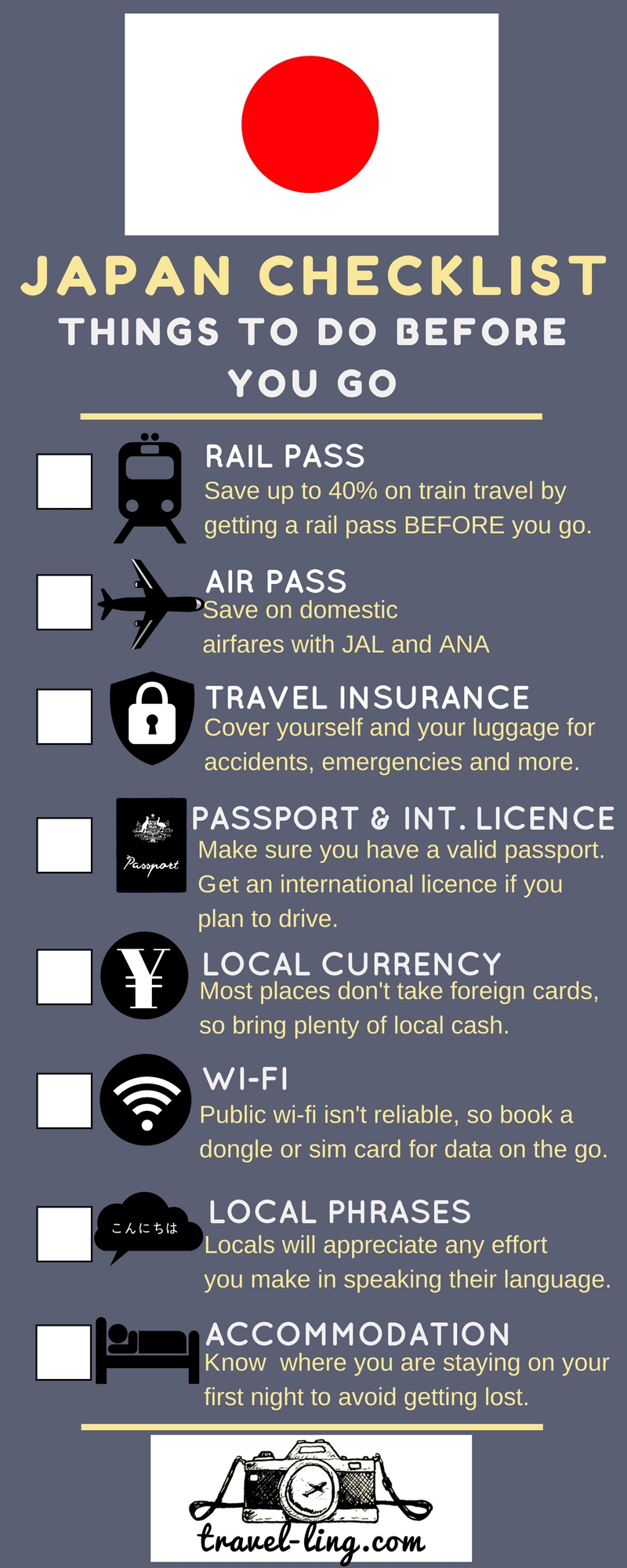
Credit: travel-ling.com
Acquaint With Transportation Systems
Trains and subways in Japan are very fast and clean. Tokyo’s subway system is the busiest in the world. It can be confusing. Learn the train lines and how to read maps. Many signs are in English. Ask the station staff if you need help. They are friendly and will help you.
The Japan Rail Pass saves money if you travel far. It is for tourists only. Buy it before entering Japan. The pass lets you use bullet trains. But, not all bullet trains are included. Check which ones are covered. Local rail passes are good for short trips. They cover one city or area. Pick the pass that fits your travel plans.
Health And Safety Precautions
Before going to Japan, check for recommended vaccinations. Some vaccines might be needed for your safety. It’s wise to have health insurance. It helps in case of a medical emergency. Ensure your insurance covers international travel. This way, you’ll be safe if you need medical help. You can enjoy your trip with peace of mind.
Save important emergency numbers on your phone. 119 is the number for fire and ambulance services in Japan. 110 is for the police. These numbers are crucial if you need help. Also, note the address of your country’s embassy. They can offer help if you’re in trouble. Keep this information handy always.
Accommodation Options
Traditional inns offer a unique cultural experience. Guests sleep on tatami mats and eat local cuisine. Modern hotels provide comfort and convenience. They have Wi-Fi and room service. Choose what suits your needs. Both have their advantages. Traditional inns are quiet and peaceful. Modern hotels are busy and efficient.
Early booking saves money. Compare prices online. Use trusted sites for bookings. Read reviews from other travelers. Check cancellation policies. Some places offer free cancellation. Look for discounts and special deals. Sometimes, booking directly gives better rates. Always double-check your booking details.
Pack Appropriately
Weather-appropriate clothingis vital for a comfortable trip. Japan has four seasons. Each season has different weather. Summers are hot and humid. Winters can be cold and snowy. Spring and fall are mild. Bring light clothes for summer. Warm jackets for winter. Layers work best for spring and fall. Check the weather forecast before packing. This helps you pick the right clothes.
Essential gadgets and gearmake your journey smooth. A travel adapter is important. Japan uses different plugs. Bring a portable charger. Phones die fast while traveling. Noise-canceling headphones are great. They block out airplane sounds. A good camera captures memories. Maps and guidebooks help you find places. Pack these items for a stress-free trip.
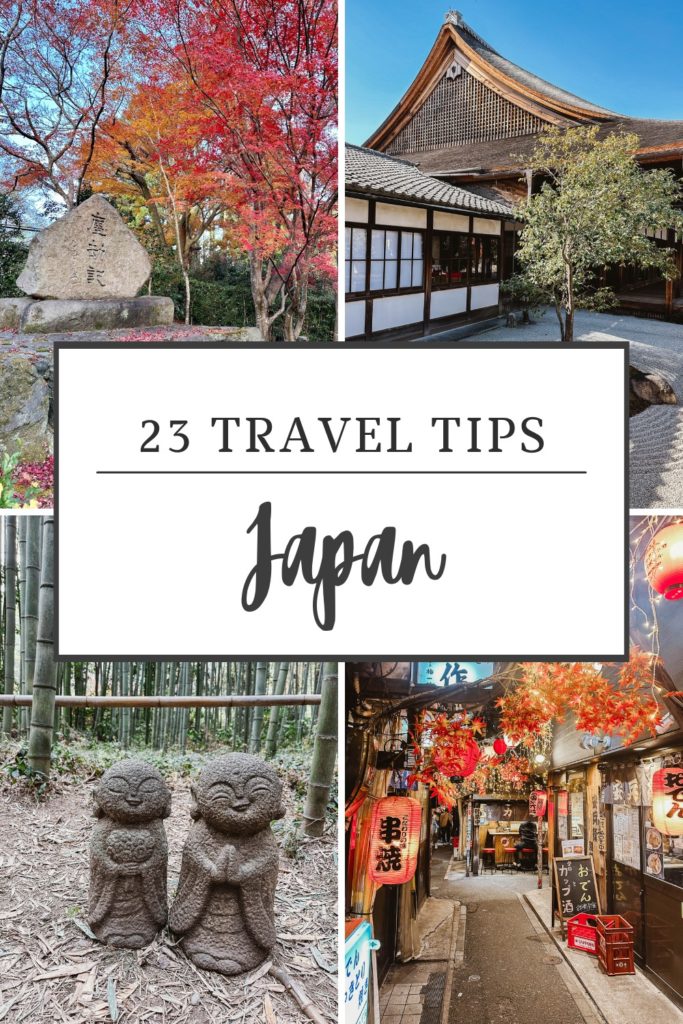
Credit: champagneflight.com
Explore Food And Dining
Japan has many tasty foods. Sushi is famous. It’s made with rice and fish. Ramen is a noodle soup. It’s warm and spicy. Tempura is fried food. It’s crispy and delicious. Each dish has a unique taste. Try different foods to enjoy Japan’s flavors. Eating local food is fun and exciting.
Japan has special dining rules. It’s polite to say “itadakimasu” before eating. Use chopsticks carefully. Don’t stick them in rice. It’s rude to make loud noises. Slurping soup is okay. It shows you like it. Don’t pour your own drink. Wait for a friend to pour it. Respect these rules to enjoy dining in Japan.
Frequently Asked Questions
Is $5000 Enough For A Trip To Japan?
$5000 is typically enough for a comfortable trip to Japan. It covers flights, accommodations, meals, and attractions. Costs vary by city and preferences. Tokyo and Kyoto are pricier than smaller cities. Budgeting wisely and researching deals can enhance your experience.
Adjust plans based on duration and personal spending habits.
Are There Any Shots You Need Before Going To Japan?
No specific vaccinations are required for Japan. Ensure routine vaccines are up-to-date. Consider Hepatitis A and B shots for extra protection.
Do And Don’ts When Visiting Japan?
Respect local customs and bow when greeting. Remove shoes indoors. Avoid talking loudly in public. Don’t tip, it’s not customary. Refrain from pointing with fingers.
Conclusion
Preparing for a trip to Japan requires careful planning. Check your passport and visa. Learn basic Japanese phrases. Research cultural norms and etiquette. Pack light and versatile clothing. Understand public transportation options. Consider travel insurance for peace of mind. Make a list of must-visit places.
Download helpful apps for navigation and translation. Try local food for a real taste of Japan. Stay respectful and open-minded to new experiences. Enjoy the beauty and uniqueness of Japan. Your adventure awaits! Safe travels and memorable moments are just around the corner.