
Planning a road trip is always exciting, but before you hit the open road, there are a few crucial checks you need to make. Picture this: you’re cruising along, enjoying the scenery, when suddenly, a preventable mishap forces you to a screeching halt.
Not the adventure you envisioned, right? That’s why ensuring your vehicle is road-ready is essential for a smooth journey. This article will guide you through everything you need to check, ensuring your road trip is memorable for all the right reasons.
You’ll discover the peace of mind that comes from knowing you’re prepared for any situation that might arise. So, buckle up and let’s dive into these must-do checks for your upcoming adventure!

Credit: www.sullivantire.com
Vehicle Inspection
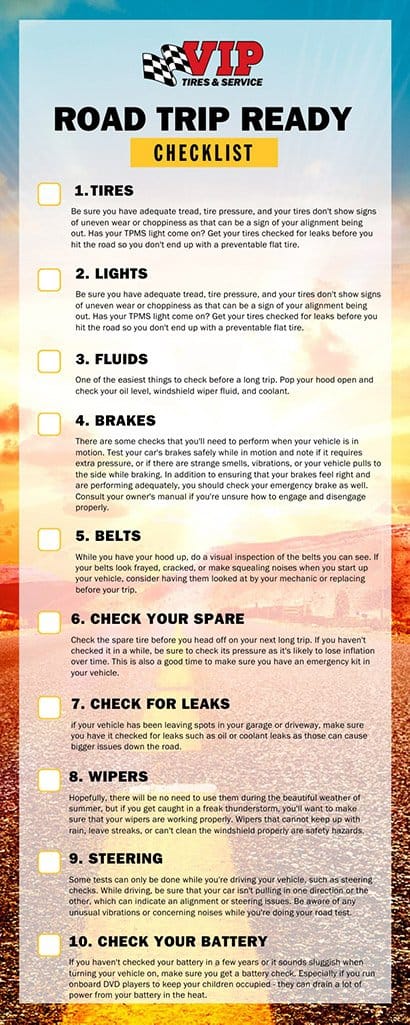
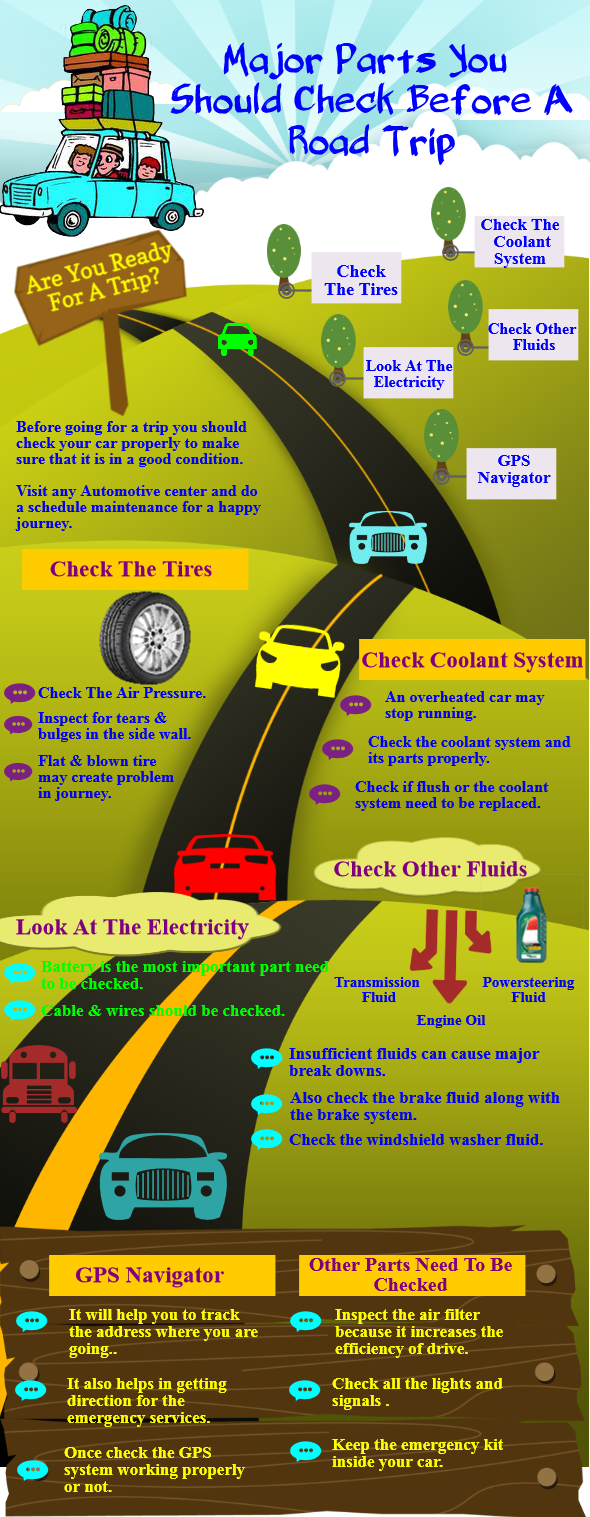
Check your tire pressure. Tires should not be too soft or too hard. Use a gauge to measure. Proper pressure helps in safe driving. Look at the tire tread. Tires should not be smooth. Smooth tires can be dangerous. If the tread is worn, change the tires.
Look under the hood. Check the engine oil level. Oil keeps the engine running smooth. Look at the brake fluid too. It helps the brakes work well. Also, check the coolant level. It keeps the engine cool. Windshield washer fluid should be full. Clean windows help you see better.
Press the brake pedal. It should not feel soft. Soft brakes can be a sign of trouble. Listen for any strange noises. Squeaking or grinding is not good. Visit a mechanic if brakes feel wrong. Always ensure brakes work well for safety.
Check the battery terminals. They should be clean and tight. Corrosion can stop the car from starting. If the battery is old, it might need replacing. A weak battery can die during the trip. Ensure the battery is charged and ready.
Credit: www.vipauto.com
Safety Equipment
First Aid Kit:A first aid kit is essential for a safe road trip. It should have band-aids, antiseptic wipes, and gauze pads. Include pain relievers and any personal medications. Check the kit for expiry dates. Replace outdated items immediately.
Emergency Tools:Keep a flashlight with extra batteries. Carry a multi-tool for small repairs. Jumper cables can help restart a dead battery. A reflective vest keeps you visible in low light. Keep a whistle to signal for help.
Spare Tire and Jack:Ensure the spare tire is properly inflated. Check for any damage or wear. The jack must be in working condition. Practice using it before the trip. Keep a lug wrench to remove tire bolts.
Navigation And Communication
Always have a reliable GPSdevice or app ready. Carry a physical mapfor backup. Maps can help when technology fails. Know your routebefore starting. Check for any road closures or delays.
Bring a fully chargedmobile phone. Pack an extra chargeror power bank. Ensure your phone has all important apps. Apps like maps, weather, and emergency services.
Keep a list of emergency contactshandy. Include numbers for roadside assistance. Family and friends should also be on this list. Save these contacts on your phone. Write them down on paper too.
Weather Preparedness
Weather can change quickly. Check the forecast before you leave. Look at the weather for each city you will visit. This helps you plan better. You can avoid surprises on the road. Safetyis the first priority. Knowing the weather means safer travel.
Pack clothes for all weather. Bring warm clothes for cold days. Take light clothes for sunny days. Don’t forget rain gear. Umbrellas and raincoats are important. Dressing right keeps you comfortable. Comfortmakes the trip better. Clothes should be easy to wear.
Bad weather can happen anytime. Plan for rain, snow, or storms. Have a backup plan. If it rains, find indoor activities. Snow can make roads slippery. Drive safely and slowly. Always check your car. Make sure it is ready for bad weather. Preparationis key. It makes you ready for anything.
Packing Essentials
Always pack enough foodfor the trip. Snacks like fruits, nuts, and chips are great. Bring waterbottles to stay hydrated. A cooler can keep drinks cold. Check if everyone has their favorite snacks. This makes the journey more enjoyable.
Bring pillows for neck support. Blankets keep you warm. Comfortitems make long drives better. Music and headphones are nice. Books or magazines can be fun. A travel pillow is helpful for naps. Consider bringing sunglasses to block bright sun.
Carry important documents like your ID and car papers. Moneyis vital for emergencies. Bring cash and cards. Check your wallet before leaving. Keep documents safe and organized. Don’t forget a phone charger for maps and calls. Have a list of emergency contacts.
Credit: germanformula.com
Rest And Sleep Considerations
Plan stops every two hours. Stretch your legs during each stop. Fresh air is important. It keeps you awake and alert. Frequent stops help reduce tiredness. They also keep you safe on the road.
A good sleep schedule is key. Rest well the night before. Aim for at least 8 hours of sleep. This helps the driver stay focused. Sleepy drivers are dangerous. Never drive when feeling sleepy.
Driver rotation is very helpful. Share the driving tasks. This prevents anyone from getting too tired. Rested drivers are safer drivers. Always have a plan for who drives next.
Traffic And Road Conditions
Plan your trip to avoid peak traffic hours. These are often in the morning and evening. Check local news for traffic updates. Use apps to see traffic jams in real-time. This can save you a lot of time.
Always check road condition reports before you travel. These reports tell you about construction, closures, or bad weather. You can find this information online or on the radio. It helps you stay safe and plan better.
Have a backup route ready. Sometimes roads are closed or too busy. A good map or GPS can help find alternative routes. Look for shortcuts or less busy roads. This ensures you reach your destination on time.
Frequently Asked Questions
What’s Something You Should Check For Before Driving?
Before driving, check tire pressure, oil levels, and brake functionality. Ensure mirrors are adjusted and lights are working. Secure your seatbelt and confirm fuel level. Verify no warning lights on the dashboard.
What Is The Most Important Thing You Should Consider Before You Take A Road Trip?
Ensure your vehicle is well-maintained and road-ready. Check tire pressure, oil levels, and brakes. Plan your route carefully and keep emergency supplies handy. Prioritize safety and comfort for a smooth journey.
How Do I Prepare For A 1000 Mile Road Trip?
Plan your route and schedule breaks. Check your vehicle’s condition. Pack essentials like snacks, water, and emergency supplies. Ensure your phone is fully charged and download maps. Get a good night’s sleep before starting your journey.
Conclusion
Planning a road trip involves careful preparation. Check your car’s condition. Ensure tires are properly inflated. Test all lights and signals. Pack an emergency kit with essentials. Review your route and map beforehand. Keep your vehicle’s registration and insurance documents handy.
Don’t forget to check the weather forecast. Staying informed keeps your journey smooth. Prepare snacks and drinks for the ride. Inform someone about your travel plans. Remember, safety first. Enjoy every moment of your trip. Feel the freedom of the open road.
Safe travels!