
Are you planning an international trip and worried about how much luggage you can bring along? You’re not alone.
Understanding the maximum luggage weight for international travel can be a real game-changer for your travel experience. Imagine avoiding those dreaded extra baggage fees and having more space for souvenirs on your way back. If you want to travel smarter and lighter, you’ll want to know exactly what airlines expect and how you can make the most of your luggage allowance.
We’ll break down everything you need to know to pack efficiently and travel stress-free. Get ready to unlock the secrets of baggage rules that can save you time, money, and hassle. Keep reading, and you’ll be packing like a pro in no time!
Airline Policies
Airlines have different rules for luggage weight. Most allow 50 poundsor 23 kilograms for checked bags. Some airlines might allow 70 poundsor 32 kilograms. Always check with your airline before packing.
Carry-on bags usually weigh less. The limit is often 15 poundsor 7 kilograms. Be careful with extra fees. Airlines may charge for overweight luggage. These charges can be expensive.
Some airlines allow one personal item. This can be a purse or backpack. It should fit under the seat. Make sure to measure your bags. Some airlines are strict with sizes.
Knowing the rules saves time at the airport. Prepare early to avoid surprises. Always read your airline’s policy for the latest details.

Credit: fr.cabinzero.com
Cabin Vs. Checked Luggage
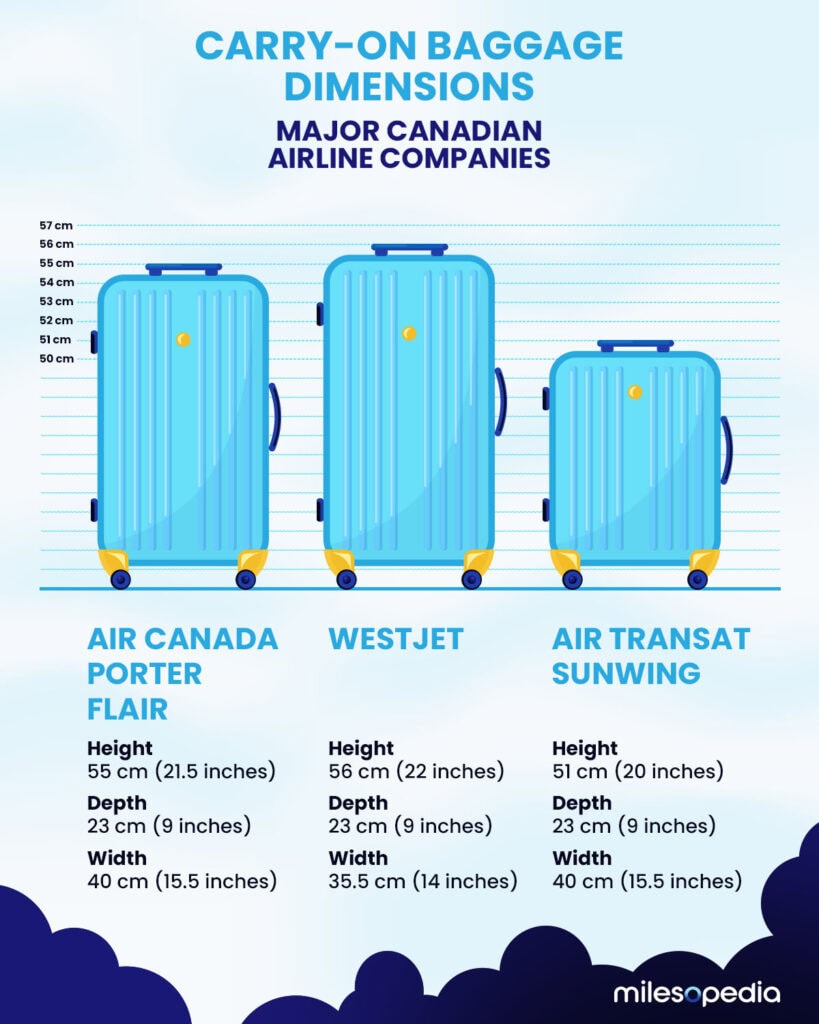
Cabin luggage is small. It must fit in the overhead bin. Airlines have different size rules. Most allow bags up to 22 inches tall. Weight is also important. Many airlines limit cabin bags to 15 pounds. Some allow up to 22 pounds. Always check your airline’s rules before flying.
Checked luggage is larger. It goes under the plane. Airlines have weight limits for these bags. Most allow bags up to 50 pounds. Some allow more, up to 70 pounds. Extra weight costs more money. Fees depend on the airline. Always weigh your bag before going to the airport.
| Luggage TypeSize LimitWeight Limit | ||
|---|---|---|
| Cabin | 22 inches | 15-22 pounds |
| Checked | No specific size | 50-70 pounds |
Overweight Fees
Airlines often charge extra for bags that are too heavy. Fees vary depending on the airline. Some airlines charge a flat rate for overweight bags. Others charge per kilogram over the limit. It’s important to check your airline’s policy before flying.
Avoid extra fees by keeping your luggage under the weight limit. Use a scale at home to weigh your bag. Pack smart and leave unnecessary items behind. Sometimes, it is cheaper to pay for an extra bag rather than overweight fees.
Being prepared can save money and stress. Check weight limits when booking your ticket. This ensures smooth travel without unexpected costs. Plan ahead and enjoy your trip!
Frequent Flyer Benefits
Frequent flyer programs offer many perks for travelers. Members can enjoy extra luggage weightallowances. This means they can carry more bags without extra cost. Airlines reward loyal customers with these benefits.
Many programs also provide access to exclusive airport lounges. These lounges offer comfort and relaxation before flights. Members often get priority boarding too. This lets them board the plane before others.
Frequent flyer benefits make travel more enjoyable. Members can save money on baggage fees. They also save time with faster check-ins and priority services.
- Extra luggage allowances
- Exclusive lounge access
- Priority boarding
- Faster check-ins
Joining a frequent flyer program is easy. Many airlines offer free membership. It’s a smart choice for those who fly often.
Special Items Regulations
Special items need extra care during travel. Musical instruments often have specific rules. Some airlines allow them as carry-on baggage. Others require them to be checked in. Sports equipment can also have unique rules. Items like golf clubs or surfboards might need extra fees. It’s wise to check with your airline before packing. Fragile items should be packed securely. They might need special packaging or labels. Medical equipment is usually allowed but needs documentation. Always inform the airline about any special needs.
Some items, like batteries, have restrictions. They may need to be in carry-on luggage. Dangerous items like sharp tools or flammable goods are not allowed. Always check for any updates on regulations. It helps to avoid surprises at the airport. Knowing these rules makes travel smoother and stress-free.
Credit: milesopedia.com
Tips For Packing Smart
Smart packing helps avoid stress. Start by checking luggage limits. Most airlines allow 23 kg per bag. Use a lightweight suitcase to save weight. Roll clothes instead of folding them. This saves space and keeps clothes wrinkle-free.
Limit shoes to two pairs. Wear the bulky ones, pack the lighter ones. Toiletries can be heavy. Choose travel-sized bottles. Use ziplock bags for liquids. They prevent spills.
Pack electronics in carry-on. They are fragile and important. Keep important documents handy. Use a document holder for passports and tickets.
Layer clothes for different weather. This helps when traveling between climates. Use packing cubes. They organize items and save space.
Leave some space for souvenirs. Avoid overpacking. It keeps your luggage light.

Credit: www.humboldt.ca
Frequently Asked Questions
How Heavy Can A Checked Bag Be For International Flights?
Checked bag weight limits vary by airline but typically range from 50 to 70 pounds for international flights. Check with your airline for specific restrictions. Some airlines charge extra for bags exceeding the standard weight limit. Be sure to confirm weight allowances before packing to avoid fees.
What If My Bag Is Over 50 Lbs Internationally?
Exceeding 50 lbs may result in additional fees or restrictions. Check airline policies for specific weight limits and charges. Consider redistributing items or purchasing extra baggage allowance to avoid penalties. Heavy bags might also impact travel comfort and convenience. Always verify details before your trip for a hassle-free experience.
What Is The Maximum Weight Per Baggage On International Flights?
International flights typically allow checked baggage up to 23 kg (50 lbs). Business class may allow up to 32 kg (70 lbs). Always check airline policies.
What Happens If Your Bag Is Over 23kg?
Airlines may charge an excess baggage fee if your bag exceeds 23kg. Check your airline’s policy for specific fees. Consider redistributing items to avoid additional charges.
Conclusion
Understanding luggage limits keeps travel stress low. Airlines have different rules. Always check your ticket or website for specific details. Pack smartly to avoid extra fees. Use a scale to weigh your bags before leaving. Remember, carry-on restrictions matter too.
Some airlines allow more luggage if you pay extra. Planning ahead saves time and money. Traveling light makes moving easier. Enjoy your journey without worry. Prepared travelers are happy travelers. Always aim to pack efficiently and enjoy the trip. Safe travels with the right luggage weight.