
Imagine the thrill of standing atop a mountain, the world sprawling beneath your feet, and the satisfaction of knowing you got there on your own two feet. This sense of achievement and adventure is what makes backpacking a truly rewarding experience.
But to get there, you need more than just enthusiasm. You need to train. Are you ready to transform your dream of a backpacking trip into reality? In this guide, you’ll discover straightforward steps to prepare your body and mind for the challenges of the trail.
From building endurance to packing the essentials, we’ll cover everything you need to ensure your journey is not only possible but enjoyable. Stay with us, and by the end, you’ll be equipped with the knowledge to conquer any trail with confidence.
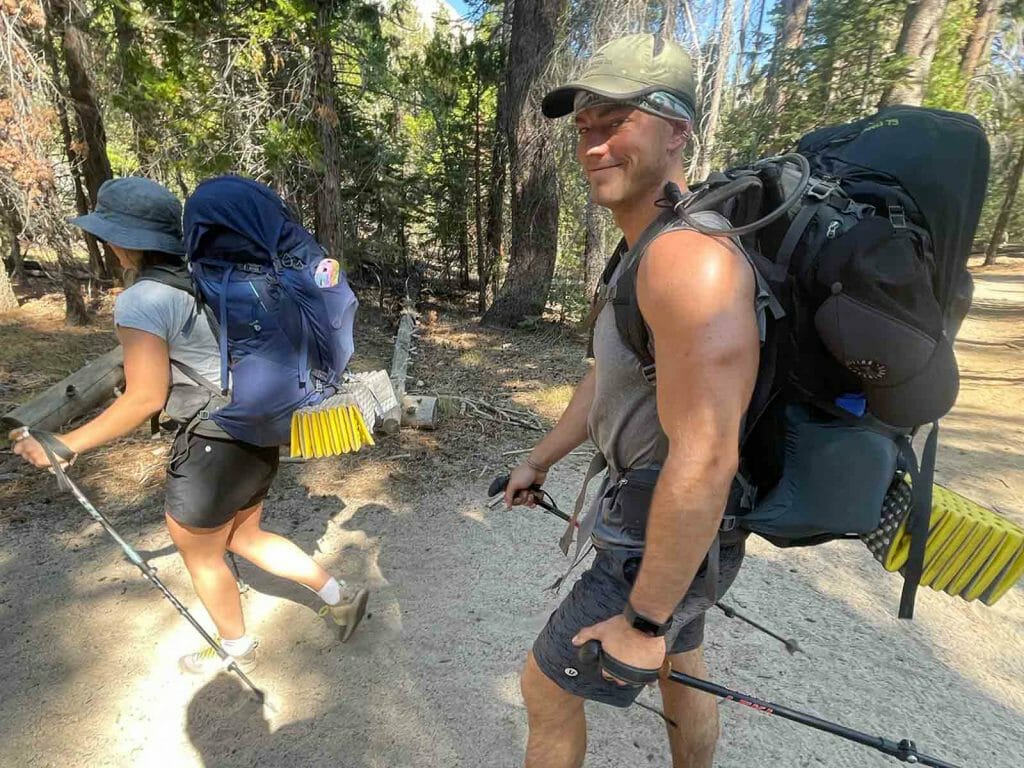
Credit: lastingadventures.com
Choosing The Right Gear
A backpack is essential for a backpacking trip. It should be lightweightyet durable. The size matters. A big backpack can carry more. But it should not be too heavy. Adjustable straps are important. Comfort is key. Choose one with a good fit. Padded strapshelp a lot. They reduce shoulder pain. Many pockets are useful. They help in organizing stuff.
Pick clothes that are comfortableand easy to move in. Layers help in changing weather. Choose breathable fabrics. They keep you cool. Footwear should be sturdy. Hiking boots are great. They provide support. Waterproof shoesare best for wet areas. Socks matter too. Choose ones that prevent blisters.
Certain accessories are must-have. Maps and compass are crucial. They help in navigation. A first aid kitis important. It comes handy in emergencies. Snacks are essential for energy. Water bottles are vital. Staying hydrated is crucial. A multi-toolcan be very useful. It helps in fixing things.
Building Physical Fitness
Walking, jogging, and cyclingboost heart strength. These activities help you breathe better. Try to do them three times a week. Start slow and then go faster. A strong heart can carry you longer distances.
Strong muscles help you carry heavy loads. Squats, lunges, and push-upsmake muscles tough. Do them regularly. Use weights if you can. Increase weightsas you get stronger. This will make your backpack feel lighter.
Good balance stops falls and injuries. Yoga and stretchingmake you flexible. They help your body move easily. Practice balancing on one leg. Switch legs often. This prepares you for rough terrains.
Practicing With Loaded Packs
Start with a light pack. Add weight slowly every week. Use small bags of rice or sand. Your body needs time to adjust. Avoid injuries by increasing weight slowly. This helps build strength. Keep track of your progress.
Practice on different surfaces. Use trails with rocks and hills. Walk on grass, dirt, and gravel. This prepares you for real hikes. Try walking in rain or wind. Wear the clothes you will use. This helps you adapt to changes.
Use all your gear on practice hikes. Set up your tent and use your stove. Test your backpack straps. Adjust them for comfort. Carry water and snacks. See if your shoes fit well. Avoid blisters by wearing hiking socks.
Credit: www.basecampclinic.com
Developing Navigation Skills
Maps help you know where you are. Learn to read them. Maps show roads, rivers, and mountains. A compass helps you find directions. North, south, east, and west. Use both together. They make finding your way easy. Practice makes perfect.
GPS tools are handy. They show your location on a screen. Apps can guide you on trails. Some apps even work offline. Always carry a backup map. Batteries can die. Technology might fail. Learn both methods.
Plan your trip route carefully. Choose easy paths first. Avoid steep and dangerous areas. Check weather reports. Bad weather can make paths unsafe. Tell someone your plan. Safety is important. Always stay aware of your surroundings.
Nutrition And Hydration Strategies
Eating the right food helps you stay strong. Plan meals with carbs, proteins, and fats. Carbs give you quick energy. Proteins help repair muscles. Fats provide lasting energy. Think about oatmeal for breakfast. It is easy to cook and very filling. Pack dried fruits and nuts. They are great for lunch or snacks. Dinner can be simple pasta or rice dishes. Easy to prepare and full of energy.
Water is your best friend. Drink water regularly to stay strong. Carry a water bottle or hydration pack. Fill it whenever you can. Adding a little salt to water helps. It replaces the salt you lose by sweating. Sometimes, flavored water can encourage more drinking. Hydration tablets can be useful too. They help balance minerals in your body.
Snacks give you quick energy boosts. Energy bars are handy and light. Choose ones with nuts and fruits. They have good energy. Trail mix is another great snack. Mix nuts, seeds, and dried fruits. Easy to carry and healthy too. Fruits like apples and bananas are good. They provide natural sugar and vitamins. Enjoy a small piece of dark chocolate. It gives energy and tastes nice.
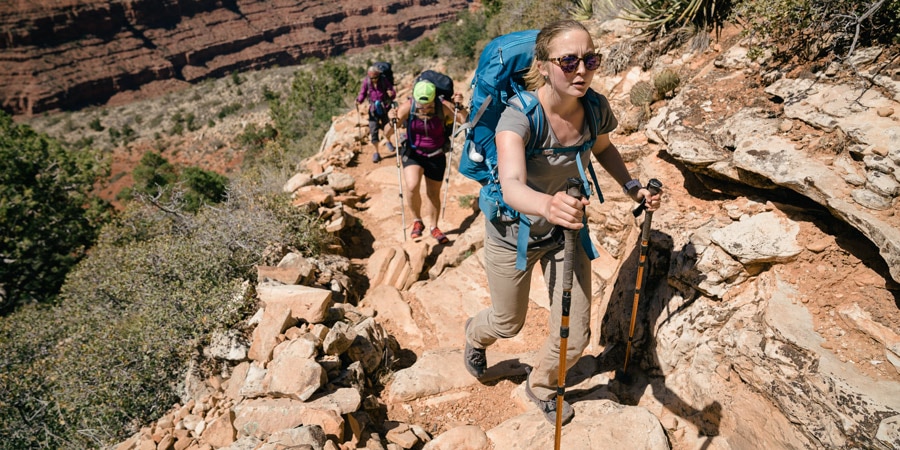
Credit: www.rei.com
Preparing Mentally For Challenges
Building resilience is like training your brain. It helps you face tough times. Start small with easy hikes. Push yourself a little more each time. Enjoy the journey and learn from every step. Resilience grows with practice.
Adversity means facing hard things. Stay calm and think clearly. Break problems into tiny pieces. Solve them one by one. Talk to friends or family. They can help you feel better. Remember, problems won’t last forever.
Mindfulness means being in the moment. Focus on your breath. Notice sounds and smells around you. Stay present when walking. Feel the ground under your feet. Practice every day. It makes your mind strong and clear.
Safety And Emergency Preparedness
A first aid kit is very important. Pack band-aids, antiseptic wipes, and pain relievers. Include a small pair of scissors and tweezers. A whistle can help if you need to call for help. Training in basic first aid can save lives. Always know how to treat cuts and sprains. Keep the kit in a safe spot in your backpack.
Know the dangers on your trail. Wild animals can be a threat. Stay calm and know what to do. Weather can change quickly. Carry rain gear and warm clothes. Be aware of unstable rocks and slippery paths. Walk carefully and pay attention. Learn to read trail signs and maps to avoid getting lost.
A cell phone is useful. Make sure it’s fully charged before starting. Know the emergency numbers in the area. A two-way radio can work where phones don’t. Tell someone your plans before you leave. Check-in with them at agreed times. A personal locator beacon can send help if you are in trouble.
Frequently Asked Questions
How Do You Get In Shape For A Backpacking Trip?
Begin training with cardio exercises like hiking and walking. Strengthen your legs and core. Practice carrying a loaded backpack. Increase endurance gradually. Hydrate and eat nutritious food to fuel your body.
What Is The 20% Rule For Backpacking?
The 20% rule suggests carrying a backpack weighing no more than 20% of your body weight. This guideline ensures comfort and safety during hikes. Prioritize essential items to maintain a manageable load. This practice helps prevent fatigue and potential injuries.
How Long Does It Take To Train For A Backpacking Trip?
Training for a backpacking trip typically takes 6 to 12 weeks. Focus on building endurance and strength. Include hiking, cardio, and strength exercises in your routine. Gradually increase the weight of your backpack and hike duration. Preparing well ensures a safer and more enjoyable experience.
How Do Beginners Train For Backpacking?
Start with short hikes to build endurance. Gradually increase distance and weight in your backpack. Practice on varied terrains. Learn essential skills like navigation and setting up camp. Ensure proper footwear and hydration. Join local hiking groups for tips and experience.
Conclusion
Embarking on a backpacking trip? Start with a solid training plan. Build strength for those uphill climbs. Improve stamina with regular walks or hikes. Practice carrying your backpack to get used to the weight. Don’t forget flexibility exercises. They prevent injuries.
Hydration is key during training. Keep your body fueled with healthy snacks. Rest days are vital for recovery. Listen to your body and adjust your routine. Preparing well leads to a safer and more enjoyable adventure. Now, lace up those boots and set your sights on the trail ahead.
Happy backpacking!