
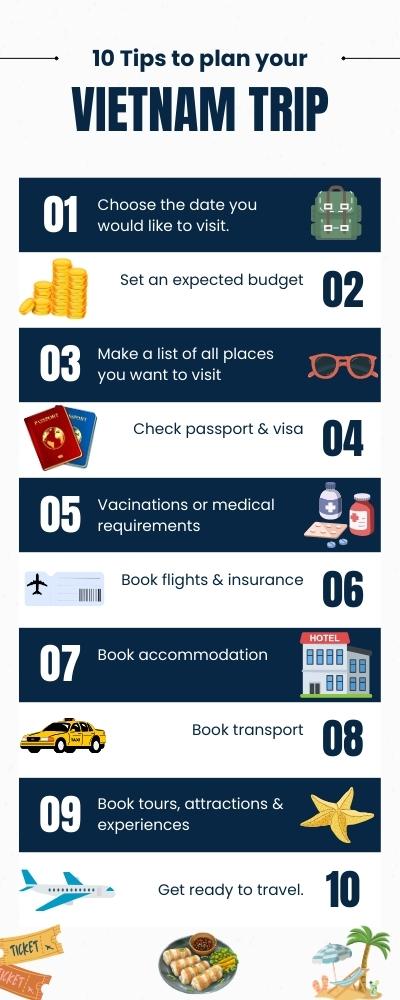
Planning a trip to Vietnam can be exciting yet overwhelming. You might wonder where to start, what to explore, and how to make the most of your adventure.
Vietnam, with its stunning landscapes, rich culture, and delicious cuisine, promises an unforgettable experience. But with so much to see and do, how do you ensure your journey is seamless and fulfilling? This guide will walk you through the essentials of planning a perfect trip to Vietnam.
By the end, you’ll have a clear roadmap to follow, making you feel confident and eager to embark on your adventure. Get ready to discover tips that will transform your travel dreams into reality. Your Vietnamese adventure awaits!
Visa And Entry Requirements
Planning a trip to Vietnam? It’s important to check the visa requirementsfirst. Some countries can enter Vietnam without a visa. They allow a stay of up to 15 or 30 days. Check if your country is on this list. If not, you will need a visa. Apply for a tourist visaonline or at a Vietnamese embassy. Processing may take a few days. Always ensure your passport is valid for at least six monthsfrom your arrival date. Also, have a blank page for the visa stamp.
For longer stays, a business visamight be needed. Make sure to have all your documents ready before departure. Carry a printed copy of your visa approval letter if you applied online. This helps during the entry process.
Best Time To Visit
Vietnam has a lot of weather changes. The best time to visit is spring or autumn. Spring lasts from February to April. Autumn is from August to October. The weather is cool and pleasant. The skies are clear. Rain is less frequent. It’s good for exploring.
Summer is hot and humid. It lasts from May to July. This is not ideal for everyone. The beaches are popular then. Winter is from November to January. It is cooler, especially in the north. Snow can fall in the mountains. Always pack for the season. This makes the trip more comfortable.
Budgeting For Your Trip
Vietnam offers many places to stay. You can find hotels, hostels, and guesthouses. Hotels are more expensive but comfortable. Hostels are cheap and good for young travelers. Guesthouses give a local feel. Prices range from $10 to $100 per night. Choose what fits your budget.
Getting around Vietnam is easy. Buses and trains are cheap. Taxis cost more but are fast. Motorbikes are popular for short trips. Renting one is affordable. Domestic flights help with long distances. Compare costs before choosing.
Vietnam has delicious food. Street food is cheap and tasty. Try pho and banh mi. Restaurants are more expensive. Meals can be $1 to $20. Eating locally saves money. Enjoy the flavors.
Top Destinations
Hanoi is Vietnam’s capital. It has many old streets and markets. Hoan Kiem Lake is a popular spot. People love to walk around it. Sapa is in the north. It has amazing rice fields. Halong Bay is famous for its large rocks and clear waters. Many choose to take a boat trip there. It’s a great way to see the beauty of Vietnam.
Ho Chi Minh City is very busy. It is also called Saigon. The city has a lot of history. The War Remnants Museum is a must-see. Cu Chi Tunnels show how people lived underground. The Mekong Delta is in the south. It has floating markets. People sell fruit and vegetables on boats. It’s a fun place to visit.
Hue has a famous old palace. It is a big attraction. Many emperors lived there. Hoi An is a pretty town. It is known for its lanterns. There are many shops and tasty food. Da Nang has a long beach. Many people swim there. The Marble Mountains are nearby. They have caves and temples to explore.
Cultural Etiquette
Respecting elders is very important in Vietnam. Always greet them first. Use both hands when giving or receiving items. Showing respect is crucial in Vietnamese culture.
Do not touch someone’s head. It is considered rude. Avoid showing anger in public places. Stay calm and polite. Keep your voice low. Loud talking is frowned upon.
Bring a gift if invited to someone’s home. This is a kind gesture. Avoid discussing sensitive topics like politics or religion. Stick to safe subjects. Always take off shoes before entering a home. This shows respect.
Vietnamese people love to share food. Sharing is caring. Use chopsticks politely. Never point them at anyone. Eating together is a social activity. Always wait for the host to start eating.
Be mindful of personal space. Avoid standing too close. Accept items with both hands. It shows gratitude. Learn basic Vietnamese phrases. Locals appreciate the effort.
Packing Essentials
Vietnam is warm. Pack lightweightclothes. Cotton is best. Avoid thick fabrics. Always bring a raincoat. Rain is common. Wear comfortable shoes. Vietnam means a lot of walking. Sandals are great. Flip-flops work well too.
Carry a backpack. Easy to move around. Keep a water bottlehandy. Stay hydrated. Vietnam can be hot. Pack a small camera. Capture beautiful views. Bring a power bank. Phones need charging often. Don’t forget your passport. Always have it with you. Safety first.
Transportation Within Vietnam
Vietnamhas many airports for domestic flights. This is the fastest way to travel. Major citieslike Hanoi and Ho Chi Minh City have frequent flights. Booking in advance can save money. Airlines often offer promotions. Look for deals online. It’s a good choice for long distances.
Trainsare comfortable and scenic. They connect major towns. Traveling by train is popular with tourists. There are night trains too. Busesare cheaper but slower. They reach places trains don’t. Buses can be crowded. Make sure to book ahead for long trips. Both are great for budget travel.
Renting a motorbikeis exciting. Ride through cities and countryside. It gives freedom to explore. Always wear a helmet. Bicyclesare eco-friendly. Perfect for short distances. Many shops offer rentals. Check the bike’s condition before renting. Enjoy the ride and the views!
Credit: stepintovietnam.com
Must-try Vietnamese Foods
Phois a noodle soup that tastes very good. People love it for breakfast. The soup has beef or chicken in it. You can add lime and herbs for more flavor.
Banh Miis a tasty sandwich. It has crusty bread, meat, and fresh vegetables. You will find it everywhere. It is easy to eat on the go.
Spring Rollsare light and yummy. The rolls have shrimp, pork, and fresh veggies. You dip them in a sweet sauce. Kids love the crunchy taste.
Banh Xeois a crispy pancake. It has shrimp, pork, and bean sprouts inside. The pancake is yellow because of turmeric. It’s fun to eat with friends.
Coffeein Vietnam is special. It is strong and has condensed milk. People drink it iced or hot. Trying it is a must for coffee lovers.
Safety Tips For Travelers
Always keep your important documentssafe. Use a money belt or a secure bag. Be aware of your surroundings in crowded places. Pickpockets are common in busy areas. Avoid walking alone at night in unfamiliar places. Stick to well-lit and crowded areas for safety.
Drink only bottled water. Tap water can cause stomach issues. Always check the seal before buying. Use sunblock to protect your skin from the sun. Vietnam can be very hot, especially in summer. Wear a hat and sunglasses to stay safe.
Always follow local traffic rules. Roads can be busy and chaotic. Rent a helmet if you ride a bike. It’s important for your safety. Keep a small first-aid kit handy. You might need it for small cuts or bruises.
Language And Communication
Vietnam is a place with many languages. The main language is Vietnamese. Some people speak English, but not everyone. Learning a few basic wordsin Vietnamese can help. Words like “hello” and “thank you” are useful. Smilingand using gesturesalso helps in communication. People are friendly and will try to understand you. Carry a translation appon your phone. This can be helpful in shops and restaurants. Signsare often in Vietnamese, so a translation app can assist. Patience is important while communicating. Taking time to understand and be understood is key. Enjoy the experience and the people you meet.
Travel Apps And Resources
Planning a trip to Vietnam is exciting. Travel apps make it easier. Use apps like Google Maps for directions. They help find the fastest route. For language help, try Google Translate. It translates words quickly. TripAdvisor suggests places to eat and visit. Reviews help pick the best spots. Need local transport? Use Grab. It’s like a taxi app. Skyscanner helps find cheap flights. Compare prices easily. For accommodation, look at Booking.com. They show many hotels and guesthouses. Always read reviews before booking. Stay safe by using trusted sites. Vietnam is beautiful and full of surprises. These resources make travel smooth.

Credit: adventuresofaplusk.com

Credit: www.youtube.com
Frequently Asked Questions
What Are The Best Times To Visit Vietnam?
The best times to visit Vietnam are spring (February to April) and autumn (August to October). During these months, the weather is generally pleasant across the country. You can enjoy exploring Vietnam’s diverse landscapes without encountering extreme temperatures or heavy rainfall, making your trip more enjoyable.
Do I Need A Visa To Enter Vietnam?
Yes, most travelers need a visa to enter Vietnam. You can apply online for an e-visa, which is convenient and quick. Ensure your passport is valid for at least six months. Check with the Vietnamese embassy or consulate in your country for specific visa requirements.
How Can I Travel Within Vietnam Efficiently?
Traveling within Vietnam is efficient with various options available. You can choose domestic flights for long distances, buses for budget-friendly travel, or trains for scenic routes. Motorbikes and taxis are great for short trips. Consider your budget and preferences when planning your internal travel.
What Currency Is Used In Vietnam?
The official currency of Vietnam is the Vietnamese Dong (VND). It’s advisable to carry some cash for small transactions. Credit cards are accepted in cities, but not everywhere. You can exchange currency at banks, hotels, or airports. Always check the exchange rates before converting your money.
Conclusion
Planning a trip to Vietnam can be simple and rewarding. Start with a clear itinerary. Focus on must-see destinations like Hanoi and Ho Chi Minh City. Don’t forget local experiences. Vietnamese street food and markets offer rich culture. Check the weather before packing.
Light and comfortable clothing works best. Book accommodations early for better deals. Transport options are varied. Choose trains or buses for scenic routes. Respect local customs and traditions. Always stay open to new experiences. With these tips, your Vietnamese adventure awaits.
Enjoy every moment and create lasting memories. Safe travels!