
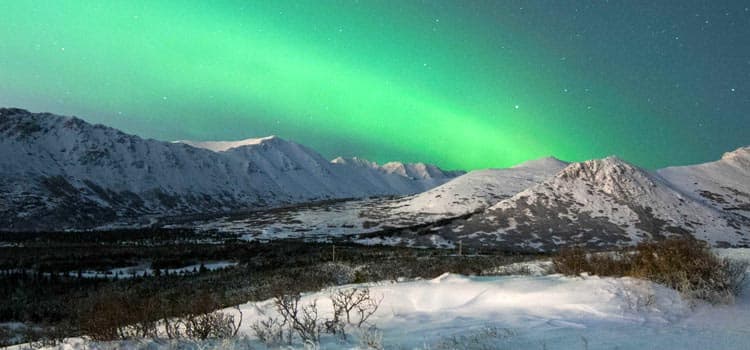
Imagine standing amidst towering glaciers, watching the auroras dance across the Alaskan sky, or spotting a majestic grizzly bear in its natural habitat. Planning a trip to Alaska is not just about selecting destinations; it’s about creating an unforgettable adventure.
You might wonder, “Where do I even start? ” Or “How can I make the most of my time there? ” You’re not alone in these thoughts. Many travelers face the same questions. This guide is designed to ease your planning process and ensure you experience Alaska in all its glory.
Whether you’re a thrill-seeker or looking for a peaceful retreat, Alaska offers something for everyone. Stick with us, and you’ll discover the secrets to crafting a trip that matches your wildest dreams.
Choosing The Right Time
Alaska has four distinct seasons. Each offers unique experiences. Summer is warm. Days are long. Perfect for hiking and wildlife watching. Winter is cold. Snow blankets the land. Ideal for skiing and Northern Lights. Spring brings thawing. Flowers bloom. Birds return. Autumn is colorful. Leaves turn gold and red.
Alaska’s weather is unpredictable. Summer can be rainy. Pack a raincoat. Winter is icy. Wear warm layers. Spring is mild but wet. Bring waterproof boots. Autumn is crisp. It’s chilly in the mornings. Dress in layers. Always check the forecast. Prepare for sudden changes.
Credit: www.alaskacollection.com
Setting Your Budget
Trips to Alaska can be costly. Flights, lodging, and activities add up. Plan your budget carefully. Estimate costs for each item. This makes it easier to save money. Consider the time of year too. Summers can be more expensive. Winter trips might be cheaper.
Book flights and hotels early. This can save you money. Look for discounts and deals online. Pack your own snacks to avoid buying expensive food. Travel with a friend and share costs. This way, you spend less. Use public transport. It’s often cheaper than renting a car. Always check for free activities in the area. Alaska has many beautiful places that cost nothing to see.
Picking Destinations
Anchorage is the largest city. It has many shops and restaurants. It’s a good place to start your trip. Juneau is the capital city. You can visit museums here. Fairbanks is a fun city to explore. It is near the Arctic Circle.
Denali National Park has big mountains and wild animals. You might see bears and moose. Kenai Fjords National Park is great for glacier views. You can take a boat tour here. Wrangell-St. Elias National Park is huge. It is the biggest park in the USA. You can hike and see wildlife.
Transportation Options
Alaska is big. Getting around needs planning. Buses are a budget choice. They connect major cities. Taxis offer comfort, but cost more. Rental cars give freedom. Explore at your own pace. Trains are scenic. They cover beautiful routes. Ferries connect coastal towns. Ideal for sea lovers. Biking is eco-friendly. Suited for short distances. Walking lets you enjoy nature. Great for local sights.
Flying to Alaska is common. Airlines offer many options. Book early for best deals. Direct flights save time. Stopovers might be cheaper. Choose based on your needs. Travel agents can help. They find good deals. Online platforms show prices. Compare before booking. Seasonal changes affect flights. Summer is busier. Winter might have fewer flights.
Accommodation Choices
Choosing where to stay in Alaska can shape your adventure. From cozy cabins to luxury lodges, options abound. Consider location, budget, and amenities for a memorable trip.
Hotels And Lodges
Alaska has many hotels and lodges. They offer cozy rooms and warm beds. Some places have beautiful views. Others are near popular spots. Many lodges have friendly staff. They help with local tips. Some hotels offer free breakfast. Others have heated pools. Prices vary from cheap to expensive. Book early to get the best deals.
Camping Sites
Camping is fun in Alaska. Many sites are near nature. Some spots have rivers and trees. Others are near mountains. Tents and RVs are welcome. Some sites have basic facilities. Others offer clean showers and toilets. Camping lets you enjoy the outdoors. It can be cheaper than hotels. Remember to pack warm clothes.

Credit: mommatogo.com
Planning Activities
Alaska is full of exciting outdoor activities. Hiking is popular here. The trails are beautiful. Fishing is another fun choice. Many lakes have fish to catch. Camping under the stars is special. The night sky is clear and bright. Kayaking in rivers can be thrilling. The water is cold and fresh. Wildlife spotting is a must. Bears, moose, and eagles live in Alaska. Always stay safe. Follow rules and listen to guides.
Alaska has rich culture. Visit museums to learn about native history. The art and artifacts are amazing. Attend local festivals for unique experiences. Music and dance are lively. Explore historic sites for stories of the past. Old towns tell tales of gold rush days. Meet locals and hear their stories. They know the land best. Try traditional foods for a taste of Alaska. Salmon and berries are delicious.
Packing Essentials
Planning a trip to Alaska requires careful packing. Warm layers are essential for the chilly weather. Don’t forget waterproof gear, sturdy boots, and a camera to capture stunning landscapes.
Weather Gear
Alaska’s weather is cold. Warm clothes are very important. Bring a thick jacket. Wear wool socks and gloves. A hat keeps your head warm. Waterproof boots are a must. Alaska is wet often. Stay dry and warm. Layered clothing helps adjust to temperature changes. A raincoat is very useful. Be ready for snow and rain.
Travel Gadgets
Gadgets make travel fun. A camera captures great moments. Keep a portable charger. Your phone stays charged. Binoculars help see wildlife. Bring a GPS device. It helps not get lost. A travel adapter is useful. Different places have different plugs. Noise-cancelling headphones make flights better. Enjoy music or sleep. Small gadgets fit in your bag easily. They are handy.

Credit: www.travelalaska.com
Safety And Health
Plan your Alaska trip with safety and health in mind. Pack essential gear for unpredictable weather. Stay informed about local wildlife and terrain challenges for a secure adventure.
Emergency Preparation
Alaska is beautiful but can be dangerous. Prepare for emergencies. Always carry a first-aid kit. Include band-aids, antiseptic wipes, and pain relievers. Know the location of the nearest hospitalor clinic. Keep emergency numbers saved in your phone. Tell someone your plans and expected return. This helps if you get lost or hurt.
Health Precautions
The weather in Alaska can change quickly. Dress in layers to stay warm. Bring a warm jacket, hat, and gloves. Use sunscreen even on cloudy days. Drink plenty of water to stay hydrated. Eat healthy snacks to keep your energy up. If you feel sick, rest and tell someone. Stay safe and enjoy your trip!
Frequently Asked Questions
What Is The Average Cost Of A Trip To Alaska?
The average cost of a trip to Alaska ranges from $3,000 to $5,000 per person. Expenses include flights, accommodations, meals, and activities. Prices vary based on travel season and personal preferences. Budget options can reduce costs, while luxury experiences will increase them.
Always plan and book in advance for better deals.
What Is The Best Way To Visit Alaska For The First Time?
Take a guided tour or cruise to explore Alaska’s natural beauty and wildlife. Visit popular spots like Denali National Park and Glacier Bay. Consider traveling during summer for better weather and accessibility. Book early for discounts and ensure a memorable experience.
Plan activities like hiking, whale watching, and fishing.
What Month Is The Best Time To Visit Alaska?
Visit Alaska in June to August for the best weather and wildlife sightings. Enjoy long daylight hours and vibrant landscapes. These months offer optimal conditions for outdoor activities like hiking, fishing, and wildlife viewing. Plan ahead, as this is peak tourist season.
How Many Days Do You Need For A Trip To Alaska?
A trip to Alaska typically requires 7 to 10 days. This duration allows you to explore major attractions like Denali, Glacier Bay, and the Kenai Peninsula. For a more relaxed experience, consider extending your stay to two weeks. Tailor your itinerary based on interests and available time.
Conclusion
Alaska promises adventure and breathtaking views. Plan well to enjoy every moment. Remember, weather changes fast; pack smartly. Choose activities that fit your interests and budget. Consider guided tours for deeper insight. Local cuisine offers unique flavors; try them! Capture memories with photos and notes.
Respect wildlife and nature; it’s their home. Travel insurance provides peace of mind. Connect with locals for hidden gems. A trip to Alaska can be unforgettable. Make it yours by preparing thoughtfully. Happy travels, and embrace the beauty of the Last Frontier!