
Imagine savoring a creamy gelato while strolling through the cobblestone streets of Rome, or unwinding with a glass of Chianti in the lush vineyards of Tuscany. Planning a trip to Italy promises not just a vacation, but an experience that tantalizes all your senses.
But how do you ensure that your journey is as smooth as the rich espresso you’ll enjoy every morning? You’re about to discover the secrets to crafting an unforgettable Italian adventure. With this guide, you’ll learn how to navigate Italy’s enchanting cities, its rustic countryside, and its breathtaking coastlines.
Get ready to uncover tips that will transform your travel dreams into a delightful reality. As you read on, you’ll find yourself drawn into the heart of Italy, ready to embrace the culture, history, and flavors that await you. Let’s make your Italian dream come true.

Credit: www.beckyexploring.com
Choosing The Best Time To Visit
Italy is a beautiful place all year round. Each season offers something special. Spring is great with blooming flowers. The weather is mild and pleasant. Summer is warm and sunny. Perfect for beach fun. Autumn is cooler. The trees turn golden and red. Winter is cold but charming. Cities are less crowded. Christmas markets are a must-see.
Think about what you like. Do you love beaches or snow? Do you enjoy festivals or quiet times? Plan your trip according to your interests. Always check the weather forecast before packing. It helps to know what clothes to bring. Be sure to book your stay early. Hotels fill up fast during popular seasons.

Credit: delightfullyitaly.com
Creating A Realistic Itinerary
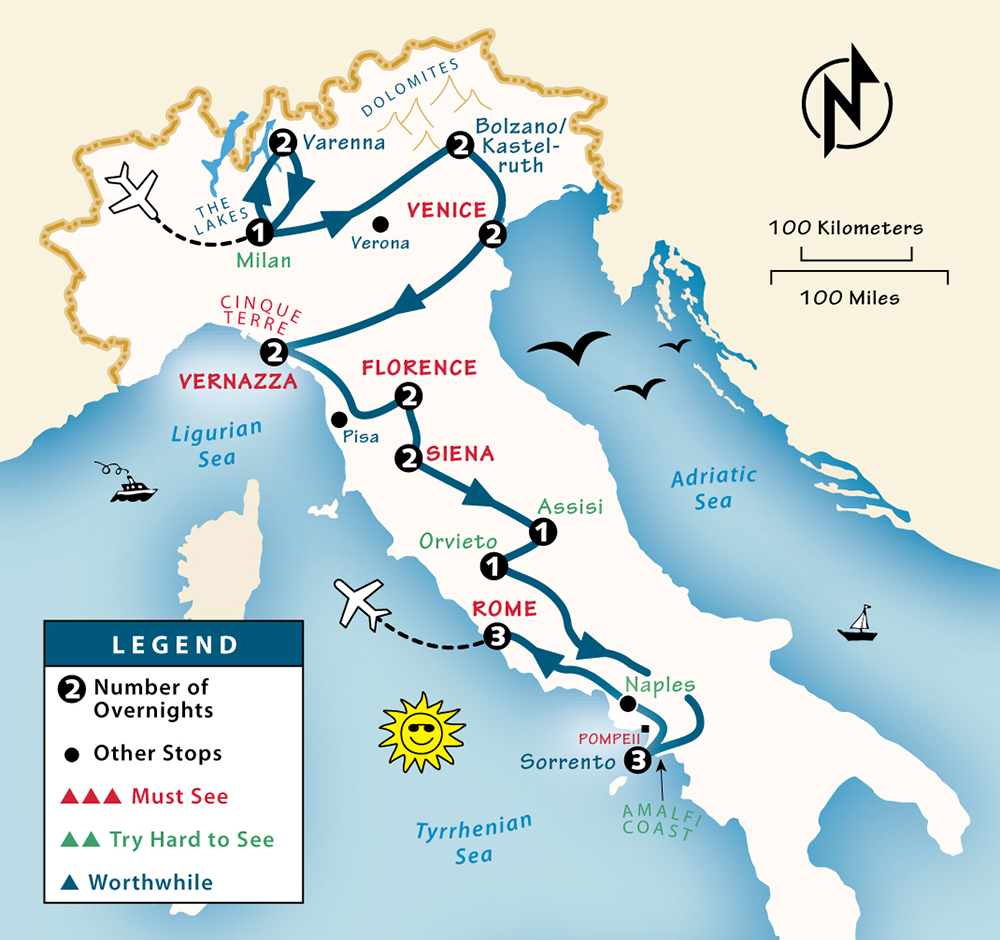
Choosing where to go is very important. Italy has many places to visit. Rome is famous for its history. Venice is known for its canals. Florence has beautiful art. Decide which places matter most to you. List your top choices. This will help you focus. You can’t see everything. So pick your favorites. This makes your trip better.
Spend time in each place. Rome needs at least three days. Venice can be seen in two days. Florence needs about two days as well. Plan your days carefully. Don’t rush. Enjoy the sights. Relax and take your time. Make sure to have breaks. This helps you enjoy more. Travel should be fun, not tiring. Use travel guides for help.
Exploring Transportation Options
Italy has an excellent train system. Trains are fast and affordable. You can travel to many cities easily. Buy tickets online or at the station. Always check the train schedule. Some trains require reservations. Keep your ticket safe. Inspectors may check it during the ride.
Renting a car gives you freedom. Explore small towns and countryside. Ensure you have a valid driver’s license. Understand Italian road signs. Roads can be narrow. Drive cautiously. Fuel is expensive, so plan your stops. Parking in cities is tough. Use parking garages when possible.
Many cities have buses and trams. They are affordable and easy to use. Buy tickets before boarding. Validate them at the machine. Watch for pickpockets on crowded buses. Always hold onto your belongings. Maps and apps can help plan your route. English might not be spoken by everyone, so learn basic Italian phrases.
Credit: www.ricksteves.com
Finding Accommodation
Staying in a hotel is easy. It offers many amenities. Some have pools and spas. Others have rooftop views. Many are near famous landmarks. Resorts often have more activities. You can relax and enjoy your stay. Choose one based on your needs. Prices can vary. Book early for the best deals.
Villas offer a home-like experience. They are often in the countryside. You get more privacy. They may have gardens or pools. Unique stays include castles or historic homes. These provide a special experience. Perfect for those seeking something different. Prices may be higher but worth the experience.
Staying on a budget is possible. Hostels are affordable. They offer basic facilities. Guesthouses are another choice. They are cozy and often family-run. Look for deals online. Consider staying in small towns. They are usually cheaper. Save money for sightseeing and food. Always read reviews before booking.
Indulging In Italian Cuisine
Italian food varies by region. Pasta in Rome is famous. Risotto is loved in Milan. Pizza from Naples is a must. Try Florentine steak in Tuscany. Each region has its own delicious specialty. Gelato is a sweet treat found everywhere.
Eating in Italy is a social event. Chew slowly and enjoy each bite. Never rush through a meal. Don’t ask for cheese on seafood pasta. Italians drink water or wine with meals. Coffee is for after meals, not during. Politeness is key. Greet with “Buongiorno” or “Buonasera.”
Markets are full of fresh produce. Fruit and vegetables are colorful and tasty. Cheese stands offer a range of flavors. Olives and olive oil are popular. Breads come in many shapes. Local honey is sweet and pure. Chat with vendors for tips. Discover hidden gems in markets.
Exploring Cultural Sites
Italy is home to many famous landmarks. The Colosseum in Rome is a must-see. It tells tales of gladiators. The Leaning Tower of Pisa is unique and tilted. Venice offers the stunning St. Mark’s Basilica. Each site has a story to tell.
Beyond the big landmarks, Italy hides many treasures. Visit the colorful town of Burano. It’s small but very pretty. Explore the ancient village of Matera. Its stone houses are like caves. These places are less crowded. But they are just as beautiful.
Visiting museums can be expensive. But there are ways to save money. Museum passes offer big discounts. They let you visit many places. Check online for local discounts. Some cities offer free museum days. Always look for the best deals.
Engaging In Local Experiences
Discover the joy of Italian cuisine. Learn to cook pasta and pizza. Classes are fun and interactive. Get hands-on experience with fresh ingredients. Meet people who love cooking too. Share stories and food. It’s a great way to bond.
Explore the beauty of Italian vineyards. Taste wines from different regions. Learn from experts about flavors and aromas. Enjoy the scenic views. Each sip tells a story. It’s a chance to relax and unwind.
Join in the lively celebrations. Experience music and dance. Festivals are full of color and joy. Taste traditional foods and sweets. Feel the culture all around. Events bring locals and visitors together.
Managing Travel Budget
Italy has many budget-friendly places to stay. Hostels are a great choice for cheap lodging. They offer shared rooms and sometimes free breakfast. Airbnb can be a good option too. Choose a room or apartment instead of a hotel. Rural areas have cheaper options than city centers. Book early for the best deals. Look for special offers or discounts online. Stay flexible with dates to find lower prices.
Eating in Italy doesn’t need to be expensive. Street food is tasty and cheap. Try pizza, panini, and gelato. Visit local markets for fresh produce and snacks. Restaurants outside tourist areas often cost less. Order water instead of drinks to save money. Lunch menus can be cheaper than dinner. Look for set menus that offer good value. Cook your own meals if you have a kitchen.
Many attractions in Italy are free. Churches and parks often have no entry fee. Walking tours can be a fun way to see the city. Public transportation is cheaper than taxis. Buy tickets in advance for discounts. Museums sometimes have free entry days. Use city passes for entry to multiple sites. Ask about student or senior discounts. Plan your day to visit nearby sights together.
Packing Essentials
Italy’s weather changes with the seasons. Pack light clothes for summer. In winter, bring warm jackets and scarves. Spring and autumn need layers. A raincoat can be useful. Comfortable shoes are important for walking.
A portable charger keeps your phone alive. Bring a universal adapter for outlets. A good camera captures memories. Noise-cancelling headphones help on long flights. A small backpack is handy for day trips.
Always carry medications you need. A first-aid kit is useful for small injuries. Hand sanitizer keeps germs away. Sunscreen protects your skin from the sun. Bring a copy of your passport for safety.
Navigating Language And Culture
Knowing some basic Italian phrasescan help a lot. Learn to say “Ciao” for hello. Use “Grazie” to say thank you. “Per favore” means please. Ask “Dove si trova?” for “Where is it?” “Quanto costa?” means “How much?” Say “Mi scusi” to apologize or get attention. These phrases can make your trip smoother.
Italians value politenessand respect. Greet people with a smile. Shake hands firmly. Use titles like “Signore” or “Signora.” Avoid talking loudly in public. Dress modestly, especially in churches. Italians love to talk about family and food. It’s polite to engage in small talk.
Frequently Asked Questions
What Are The Must-visit Cities In Italy?
Italy boasts several must-visit cities, including Rome, Florence, and Venice. Rome is rich in history and culture. Florence is known for its art and architecture. Venice offers unique canals and romantic scenery. Each city offers a distinct experience, making them essential stops on any Italian itinerary.
How Can I Travel Around Italy Efficiently?
Traveling around Italy is convenient with its extensive train network. Trains are fast, reliable, and connect major cities like Rome, Milan, and Florence. Consider purchasing a rail pass for flexibility. Alternatively, renting a car offers freedom to explore rural areas.
Plan your routes in advance for a smooth journey.
What Is The Best Time To Visit Italy?
The best time to visit Italy is during spring (April to June) and fall (September to October). These seasons offer pleasant weather and fewer tourists. Summer can be hot and crowded, while winter is ideal for skiing in the Alps.
Choose your travel time based on your preferred activities.
What Should I Pack For An Italian Trip?
Pack lightweight clothing, as Italy experiences warm weather in most months. Comfortable shoes are essential for walking on cobblestone streets. Don’t forget a travel adapter for electronics. Include a stylish outfit for dining out, as Italians value fashion. Always carry a reusable water bottle for hydration.
Conclusion
Planning a trip to Italy can be simple and fun. Start by choosing the cities you wish to explore. Research each location to find must-see spots and local foods. Organize your travel and stay within your budget. Book accommodations in advance to avoid last-minute surprises.
Learn some basic Italian phrases to help you communicate. Create a flexible itinerary, allowing time for unexpected adventures. Use public transport for an authentic experience. Enjoy Italy’s rich culture, history, and cuisine. Remember to relax and immerse yourself in the beauty around you.
Enjoy every moment of your Italian journey!