
Imagine strolling through the bustling streets of Tokyo, savoring the delicate flavors of sushi, and witnessing the serene beauty of cherry blossoms. A trip to Japan is a dream for many, but planning how much to save can be daunting.
You might wonder how much your adventure will cost and what you need to budget for. This article will be your guide, simplifying the process of saving for your Japanese journey. Unlock the secrets to smart saving, so you can experience the magic of Japan without worrying about your wallet.
Dive in, and let’s turn your dream into reality!
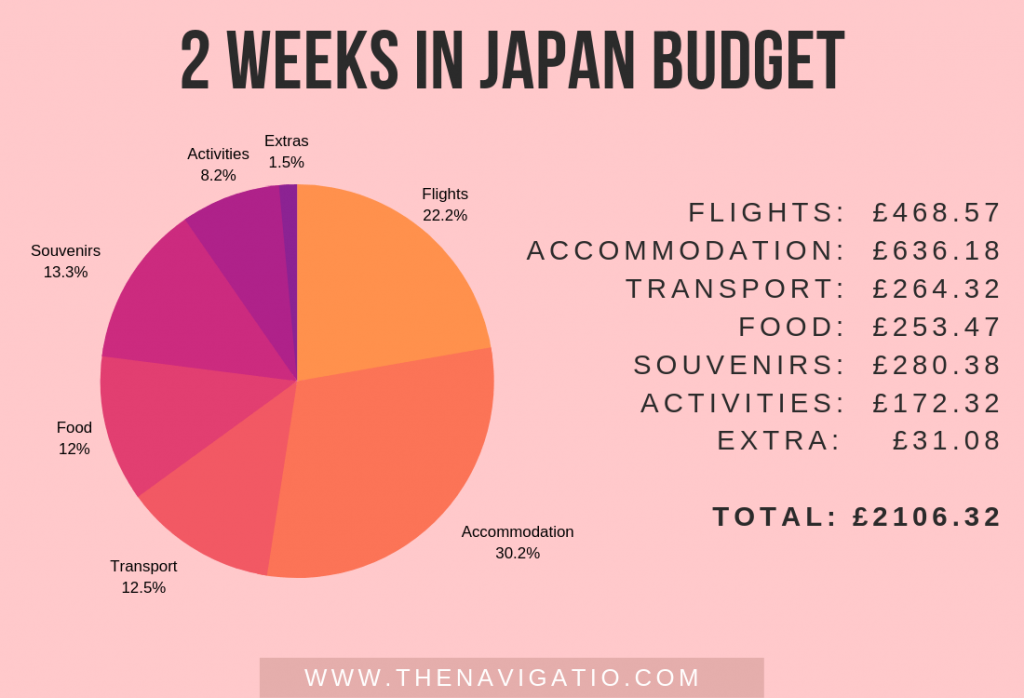
Credit: thenavigatio.com
Setting Travel Goals
Japan has many exciting places to visit. Tokyo and Kyoto are popular choices. Each city offers unique experiences. Think about what you want to see. Temples? Mountains? Or maybe city lights? Make a list of your top spots. This helps you plan better. Saving becomes easier with a clear goal. Remember, each place might cost differently. Some are free, some might need tickets.
How long will you stay? A week? Maybe two? More days mean more fun. But also more money. Flights, hotels, and food add up quickly. Shorter trips can save money. But longer trips let you see more. Finding a balance is key. Think of your budget and time. Adjust your plans if needed. Every extra day needs a bit more saving.
Estimating Travel Costs
Flying to Japan can be expensive. Round-trip tickets may cost between $700 to $1,200. Prices vary due to the season and how early you book. Booking your flight several months ahead can save you money. Consider flying from major airports for better deals. Always compare prices on different travel sites. Look for promotions and discounts too. This can help reduce costs significantly.
Japan offers many places to stay. Choices range from luxury hotels to budget hostels. A night in a hotel can cost from $100 to $300. Hostels and capsule hotels are cheaper options. Prices for these start at $20 per night. Airbnb is another great option. You can find unique stays for different budgets. Always read reviews before booking. This ensures a safe and comfortable stay.
Getting around Japan is easy. The train system is fast and reliable. Consider buying a Japan Rail Pass. This pass allows unlimited travel on JR trains. It costs around $250 for seven days. Buses are another cheap option. They are great for short distances. Taxis can be expensive, so use them only when needed. Walking is free and good for exploring cities.
Daily Expenses
Japan offers many delicious meals. Traditional Japanese meals cost around $10 to $15. Street food is cheaper, about $5 for a snack. Restaurants can be expensive, with meals costing $20 to $50. Save money by choosing local eateries. Convenience stores sell affordable snacks. Plan your meals wisely.
Japan has exciting places to visit. Temple visits might cost $5. Famous sights like Mount Fuji can be pricier. Theme parks can cost $60 or more for entry. Free parks and gardens are beautiful. Plan your sightseeing budget carefully. Check for discounts online.
Japanese souvenirs are unique. Traditional crafts might cost $20. Affordable options like postcards are $1 or $2. Shopping malls have trendy items. Prices vary widely. Budget for gifts and treats. Look for special deals and offers.

Credit: www.instagram.com
Saving Strategies
Start with a clear savings goal. Know how much to save. Decide on a budget for your trip. Include flights, food, and hotels. Break your goal into smaller monthly targets. Put aside a little money each day. Use a savings jar for extra coins. Every bit helps.
Look at your spending habits. Identify where you can save. Cut down on eating out. Cook meals at home. Avoid buying coffee every day. Make it at home instead. Use public transport to save on gas. Small changes make big savings.
Sign up for travel reward programs. Earn points when you spend. Use a credit card with travel perks. Redeem points for flights or hotels. Check for special deals. Join airline loyalty programs. These can save you money.
Currency Exchange
Knowing the exchange rateshelps plan your budget. Rates tell you how much your money is worth in Japan. They change often. Check daily for the best rates. Some days, your money might be worth more. Other days, less. This affects how much you can spend.
Always compare rates at different places. Banks, airports, and currency exchange shops offer different rates. Sometimes, fees are added. These fees can make your money worth less. Avoid changing money at the airport. Rates there are usually higher. Using a credit card can be smart. Many cards offer better ratesfor foreign spending.
Emergency Fund
Save extra moneyfor emergencies. Trips can have surprises. A broken phone or lost bag can happen. Extra cashhelps in tough times. It is smart to plan for these costs. Travel can be unpredictable. Sometimes things don’t go as planned. Prepare for surpriseswith a good plan.
Travel insuranceis important. It covers unexpected problems. A trip might need hospital visits. Insurance helps with costs. It also covers lost luggage. Buying insurance can be a smart choice. Understand what the policy covers. Check the fine print. Insurance gives peaceof mind. It makes travel safer.
Credit: www.triptojapan.com
Frequently Asked Questions
How Much Should I Budget For Japan?
The budget for a trip to Japan varies. On average, travelers spend around $150 per day. This includes accommodations, meals, and transportation. However, it can be higher or lower based on your travel style. Consider extra for activities and souvenirs.
What Are Japan’s Major Travel Expenses?
Major travel expenses in Japan include flights, accommodations, and transportation. Meals and attractions also add to costs. Accommodations range from budget hostels to luxury hotels. Public transportation is efficient but can be pricey. Dining can be budget-friendly or upscale. Plan according to your preferences.
How Can I Save Money On A Japan Trip?
To save money, consider traveling during the off-peak season. Use public transportation like trains and buses. Purchase a Japan Rail Pass for long-distance travel. Eat at local eateries or convenience stores. Stay in budget accommodations like hostels or capsule hotels.
Book flights in advance for better deals.
What Is The Cheapest Month To Visit Japan?
The cheapest months to visit Japan are typically January and February. These months are off-peak, leading to lower prices. Avoid the cherry blossom season in spring and the autumn foliage period. During these times, prices for flights and accommodations tend to rise due to high demand.
Conclusion
Planning your Japan trip budget is key. Start by setting clear savings goals. Research costs for flights, hotels, and food. Consider transportation and sightseeing expenses too. Compare prices and look for deals. Small daily savings add up over time. Adjust your plan as needed.
This careful approach ensures a stress-free travel experience. Enjoy exploring Japan’s rich culture and beautiful landscapes. Your adventure awaits. Happy travels!