
Imagine you’re enjoying a peaceful evening at home when suddenly, a sharp pain grips your side. You know you need medical attention, and fast.
But as you head to the emergency room, a question looms large in your mind: “How much is this going to cost? ” It’s a question that many of us dread, but one that is crucial to understand. The cost of a trip to the emergency room can be a daunting mystery, often leaving you overwhelmed and anxious.
By the time you finish reading this article, you’ll have a clear understanding of what factors influence these costs and how to prepare for them. Equip yourself with the knowledge that can make a stressful situation a little bit easier. Keep reading to uncover the true cost of emergency room visits and take control of your healthcare decisions.
Credit: www.peoplekeep.com
Factors Affecting Er Costs
ER costs vary by location. Big city hospitals often charge more. Smaller towns might be cheaper. Facility type also matters. Private hospitals can be pricier than public ones. Choose wisely.
Visiting the ER at night can be costlier. Weekends may have higher fees too. Daytime visits might save money. Emergency rooms are busier at night and weekends.
Severe conditions usually cost more. Minor injuries might be cheaper. Life-threatening issues need more resources. These increase the total bill. Severity impacts the final ER cost.
Breakdown Of Common Charges
Consultation fees vary. Expect to pay between $150and $300. This fee covers the doctor’s time. It includes a basic examination. Costs may increase with more complex issues. Insurance can help reduce these fees. Always check if your insurance covers emergency visits.
Diagnostic tests are often necessary. Tests can include X-raysor blood tests. These tests help find the problem. Costs can range from $100to $500or more. Insurance may cover some or all of these costs. Always ask about the necessity of each test.
Medications and treatments are crucial. They can quickly add up in cost. Expect to pay $50to $200for medications. Treatments like stitches or casts cost more. Each treatment has a different price. Insurance may lower these expenses. Always discuss costs with the doctor.
Insurance And Out-of-pocket Expenses
Health insurance can make a big difference in emergency room costs. It often covers a part of the bill. Without it, costs can be very high. Insurance can lower the financial burden. It helps by paying some of the expenses. Having insurance is important for managing medical costs.
Deductibles are amounts paid before insurance covers costs. Co-pays are small fees paid each visit. Both affect total out-of-pocket expenses. Higher deductibles mean more money spent by patients. Lower deductibles and co-pays reduce financial stress. Knowing these can help plan medical spending.
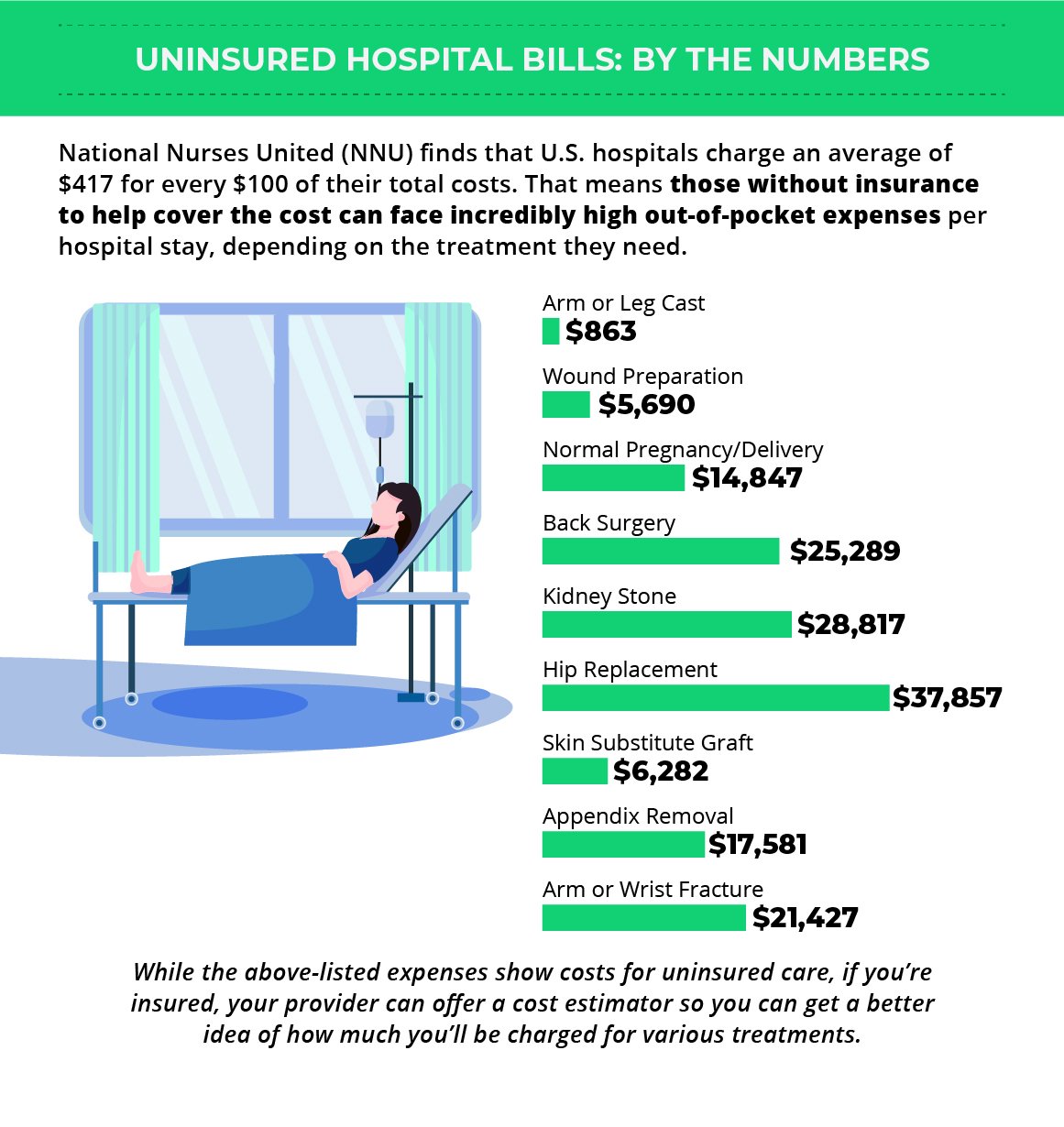
Uninsured patients face full emergency room costs. This can be very expensive. Many struggle to pay these bills. Hospitals may offer payment plans. Patients should ask about discounts or help programs. Financial aid can sometimes ease the burden.

Credit: bettercare.com
Hidden Fees And Additional Costs
The facility fee is like a service charge. It can be very high. This fee covers the use of the hospital space. It also includes equipment. Each hospital sets its own fee. Fees vary a lot. The cost might surprise you. It is important to ask about these fees. Knowing in advance can help. It helps you plan your budget.
Specialist consultations can add to the bill. A specialist is a doctor with extra training. They help with special problems. Their advice is important. This can cost extra. The more specialists you see, the more you pay. Some insurance plans cover this. Others do not. Always check with your insurance first.
Follow-up care is important after a visit. This might mean seeing your doctor again. It could include extra tests. These visits cost money. Sometimes, follow-up care includes medicine. Medicine can be expensive. Check with your doctor. Ask about future visits. Plan for these costs early. It helps avoid surprises.
Ways To Manage And Reduce Costs
Understanding the cost of an emergency room visit helps in planning and budgeting. Compare prices at different hospitals. Explore urgent care centers for non-life-threatening issues. Consider insurance coverage to cut costs.
Choosing The Right Facility
Emergency rooms can be expensive. Urgent care centers are cheaper. They treat minor injuries. Compare costs before visiting. Some facilities offer payment plans.
Negotiating Medical Bills
Talk to the billing department. Ask for a payment plan. Request a discount if needed. Some hospitals offer financial aid. Always check your bill for mistakes.
Exploring Financial Assistance
There are programs to help with medical bills. Apply for charity care if eligible. Some states offer emergency Medicaid. Ask the hospital about payment options.

Credit: www.ahrq.gov
Comparing Costs In Different Regions
Urban hospitalsoften have higher charges. They are located in big cities. More people visit them. Rural hospitalsmay cost less. They are in smaller towns. Fewer patients visit them. Staff at urban hospitals might be paid more. This can raise costs. Equipment in cities might be newer. This can also increase fees. Patients might need to travel farther for rural care. This could add extra expenses.
Each state has different rules. These rules can change hospital costs. Some states have high charges. Others are more affordable. Insurance can also affect prices. Coveragevaries from state to state. A visit in New York might cost more than in Texas. Local laws make a big difference. Taxes can add to costs too. Patients should check their state’s fees. This helps them plan better.
Emergency room costsvary worldwide. In the USA, fees are often high. Some countries offer lower prices. Europe has different health systems. This changes the cost. In Canada, visits might be cheaper. Asia’s costs can vary widely. Some places have free health care. Others charge a lot. Patients should compare these differences. It helps in making informed choices.
Frequently Asked Questions
How Much Do Emergency Room Visits Cost?
Emergency room visits typically range from $150 to $3,000, depending on treatment and insurance coverage. Costs vary based on location, severity of condition, and required tests or procedures. Always check with your insurance provider for specific coverage details. Uninsured patients may face higher charges for emergency services.
What Factors Determine Emergency Room Costs?
Emergency room costs depend on several factors. These include the severity of the condition, required tests, and treatments. Additionally, hospital location and insurance coverage play a crucial role. Uninsured patients often face higher costs.
Are Er Visits Covered By Insurance?
Most insurance plans cover emergency room visits. However, coverage varies based on the policy and network agreements. Patients might still face copays or deductibles. It’s important to verify specific coverage details with your insurer.
How Can I Reduce Er Visit Expenses?
You can reduce ER costs by choosing in-network hospitals. Also, understanding your insurance plan helps manage expenses. In non-life-threatening situations, consider urgent care for lower costs. Always ask for itemized bills to identify potential errors.
Conclusion
Understanding emergency room costs helps in planning finances better. Costs vary widely. Factors include location, insurance, and treatment needed. Always check with your insurance provider. Know what your policy covers. It helps avoid surprises. Consider visiting urgent care for minor issues.
It’s often cheaper. Keep a list of local clinics handy. This can save time and money. Prepare for unexpected medical expenses. Set aside emergency funds. Knowledge is your best tool. It empowers you to make informed choices. Stay informed. Stay prepared.
Your health and finances both benefit.