

Navigating the globe, whether for business or leisure, presents a unique set of challenges and opportunities. Among the essentials for any savvy traveler, a reliable water bottle stands out as a surprisingly crucial item. Far more than a simple container, the right travel water bottle can be a game-changer for hydration, health, budget, and environmental responsibility on the go. This comprehensive guide is meticulously crafted to empower you with the knowledge needed to make an informed decision, transforming what might seem like a trivial purchase into a thoughtful investment for your journeys.
In an increasingly health-conscious and eco-aware world, the importance of carrying your own reusable water bottle has never been greater. From avoiding single-use plastics and reducing your carbon footprint to saving money on overpriced airport beverages and ensuring access to safe drinking water, the benefits are manifold. However, the market is saturated with options, each boasting different materials, features, capacities, and designs. Choosing the perfect travel companion can feel overwhelming, especially when considering the diverse demands of various travel styles – from rugged backpacking expeditions to urban explorations or long-haul flights.
This guide will demystify the complexities of selecting a travel water bottle, breaking down the critical factors that differentiate a mediocre choice from an exceptional one. We’ll explore everything from material durability and insulation performance to leak-proof designs and purification capabilities. By the end, you’ll be equipped with an expert-level understanding of the market, enabling you to confidently select a water bottle that perfectly aligns with your specific travel needs, ensuring you stay hydrated, healthy, and happy wherever your adventures take you.
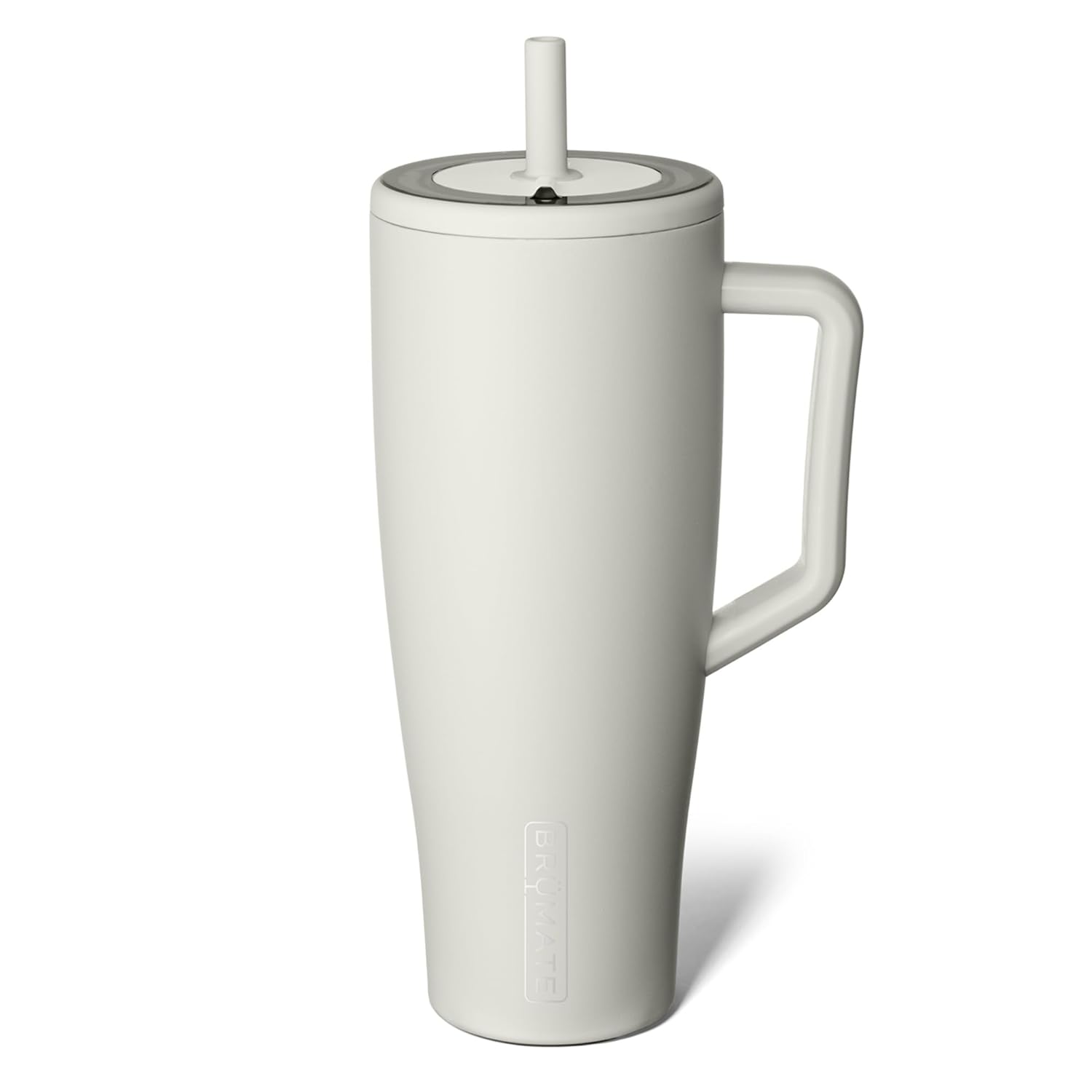
What to Look for When Buying Buying Guide
When embarking on the quest for the ultimate travel water bottle, it’s crucial to move beyond superficial aesthetics and delve into the core attributes that define its true value. A well-chosen bottle isn’t just a vessel; it’s an integral part of your travel gear, impacting your comfort, convenience, and even safety. Here’s a detailed breakdown of the key factors you should meticulously evaluate before making your purchase.
1. Material and Durability
The material of your water bottle directly dictates its weight, durability, insulation properties, and overall safety. The most common materials are stainless steel, plastic, glass, and silicone.
Stainless Steel: Often the preferred choice for travelers due to its exceptional durability and insulation capabilities. Double-walled, vacuum-insulated stainless steel bottles can keep drinks cold for 24+ hours and hot for 12+ hours. They are resistant to dents, scratches, and odors, and are generally easy to clean. Look for 18/8 food-grade stainless steel, which is rust-resistant and won’t leach chemicals. However, they tend to be heavier than plastic and can be more expensive.
Plastic: Lightweight and often more affordable, plastic bottles are convenient for travelers prioritizing minimal weight. The key is to ensure the plastic is BPA-free (look for symbols like “BPA-free” or “Tritan” plastic). While durable against drops, they generally offer no insulation, can sometimes retain odors or flavors over time, and are not as robust as stainless steel. Their main advantage is their featherlight feel, making them excellent for hiking or minimalist packing.
Glass: Known for its purity, glass offers a taste-free experience and is easy to clean. It’s also aesthetically pleasing. However, its fragility makes it a less practical choice for most travel scenarios, particularly if you’re prone to drops or rugged adventures. Some travel-specific glass bottles come with silicone sleeves for added protection, but they still carry a higher risk of breakage and are heavier than plastic.
Silicone (Collapsible): An innovative option for space-conscious travelers, collapsible silicone bottles are incredibly lightweight and can be squashed down when empty, saving precious bag space. They are durable, flexible, and often come in BPA-free food-grade silicone. While convenient for packing, they typically offer no insulation and can sometimes be less stable when full compared to rigid bottles. They’re excellent for short trips or as a secondary bottle.
2. Capacity and Size
The ideal capacity of your travel water bottle depends heavily on your travel style and duration.
Capacity: Bottles typically range from 16 oz ( ~470ml) to 40 oz (~1.2L) or more. For everyday use, short excursions, or frequent refills, a 16-24 oz bottle might suffice. For long hikes, remote travel, or environments where refills are scarce, a 32-40 oz bottle is more appropriate. Consider how frequently you’ll have access to potable water.
Size and Fit: Beyond just volume, consider the physical dimensions. Will it fit comfortably in your backpack’s side pocket, your car’s cup holder, or your airplane’s seatback pocket? A bottle that’s too wide or too tall can quickly become an annoyance. Ensure the mouth opening is large enough for ice cubes but not so wide that it’s difficult to drink from without spilling, especially on bumpy rides.
3. Lid Type and Leak-Proof Design
A leak-proof design is non-negotiable for a travel water bottle. No one wants a soaked backpack or electronics.
Screw-Top Lids: These are generally the most secure and leak-proof. They often require two hands to open, which might be inconvenient in some situations, but offer maximum peace of mind against spills.
Flip-Top/Chug Lids: Offer quick access to hydration with a hinged cap that flips open. Look for models with a secure locking mechanism to prevent accidental opening. While convenient, some designs can be prone to minor drips if not properly sealed or if gaskets wear out.
Straw Lids: Ideal for easy, hands-free sipping, especially useful when driving, exercising, or navigating busy airports. Ensure the straw is robust and the lid mechanism fully seals to prevent leaks when not in use. Cleaning straws can sometimes be a minor hassle.
Spout Lids: A hybrid that offers a smaller opening for controlled drinking without a full screw-off. Many have a cover or lock to prevent spills.
Always check for silicone gaskets and O-rings, which are critical for preventing leaks. A good travel bottle will specify a 100% leak-proof guarantee.
4. Insulation Performance
For many travelers, maintaining the temperature of their beverages is a top priority, especially in varying climates.
Hot and Cold Retention: Double-walled, vacuum-insulated stainless steel bottles are the gold standard here. They create a barrier that prevents heat transfer, keeping cold drinks icy for extended periods (often 12-48 hours) and hot drinks steaming for several hours (6-12 hours). This is invaluable for sipping a refreshing cold drink on a hot beach or enjoying hot coffee during an early morning layover.
Non-Insulated: Plastic, single-walled stainless steel, and silicone bottles offer no significant insulation. They are lighter and often cheaper, but your drink will quickly equalize to ambient temperature. These are best suited for situations where you don’t need temperature retention or have easy access to refills.
5. Ease of Cleaning
Hygiene is paramount, especially when traveling. A bottle that’s difficult to clean can become a breeding ground for bacteria or retain unpleasant odors.
Wide Mouth Openings: Look for bottles with a wide mouth that allows you to easily insert a brush or sponge for thorough cleaning. This is also beneficial for adding ice cubes.
Dishwasher Safe: While some bottles are top-rack dishwasher safe, many insulated bottles (especially those with special coatings) recommend hand washing to preserve their insulation properties and finish. Always check the manufacturer’s instructions.
Removable Parts: Lids with multiple intricate parts, straws, or special mechanisms can be harder to clean. Ensure all components can be easily disassembled and reassembled for comprehensive cleaning and drying.
6. Weight and Portability Features
Every ounce counts when you’re packing for a trip.
Weight: Lighter bottles are generally preferred for travel, especially for activities like hiking or backpacking. Plastic and silicone are the lightest, followed by single-walled stainless steel, with insulated stainless steel being the heaviest. Balance weight against durability and insulation needs.
Carry Handle/Loop: A built-in handle, loop, or carabiner attachment point can make carrying your bottle much easier, freeing up your hands or allowing you to clip it to your bag.
Compact Design: Some bottles feature a more streamlined or tapered design that fits better into smaller pockets or hand luggage. Collapsible options are the ultimate in space-saving when empty.
7. Integrated Filters or Purification
For adventurous travelers heading to regions with unreliable water quality, an integrated filter is a game-changer.
Filter Types: Some travel water bottles come with built-in filters (e.g., carbon filters to improve taste and remove chlorine, or advanced filters that remove bacteria, protozoa, and even some viruses). These are invaluable for peace of mind when refilling from uncertain sources.
Effectiveness: Research the filter’s effectiveness against common waterborne pathogens and chemicals. Look for certifications (e.g., NSF standards) to ensure reliable performance. Be aware of the filter’s lifespan and the availability of replacement cartridges.
8. Brand Reputation and Warranty
Choosing a reputable brand often comes with assurances of quality and customer support.
Reputation: Brands known for outdoor gear or hydration products typically invest heavily in research, development, and quality control. They often use higher-grade materials and more rigorous testing.
Warranty and Support: A good warranty indicates a manufacturer’s confidence in their product. Look for bottles with a clear warranty policy against manufacturing defects. Responsive customer service can be invaluable if you encounter any issues while traveling.
Different Types of Buying Guide

Common Buying Mistakes to Avoid

Even with the best intentions, it’s easy to fall into common traps when purchasing a travel water bottle. Avoiding these pitfalls can save you money, frustration, and ensure you get a product that truly meets your needs.
❌ Mistake: Prioritizing Price Over Performance
Why it’s bad: Opting for the cheapest bottle without considering its features can lead to buyer’s remorse. A flimsy cap, poor insulation, or a material that leaches chemicals will cost you more in the long run, either through replacement or health issues.
What to do instead: View your water bottle as an investment. Determine your absolute must-have features (e.g., insulation, filter, durability) and set a budget around those, rather than just picking the lowest-priced option. Sometimes, spending a little more upfront saves significant hassle later.
❌ Mistake: Ignoring Weight and Packed Size
Why it’s bad: A beautiful, large, insulated stainless steel bottle might seem perfect until you realize it adds significant weight to your carry-on or doesn’t fit in your daypack’s water bottle pocket. An overly bulky bottle can be a burden rather than a boon.
What to do instead: Consider your typical travel style. If you’re backpacking or have strict luggage limits, every gram matters. Physically test how a bottle fits into your most commonly used travel bags. For minimalist travelers, collapsible silicone or lightweight plastic might be superior.
❌ Mistake: Underestimating the Importance of a Leak-Proof Design
Why it’s bad: A non-leak-proof bottle is a disaster waiting to happen. Imagine arriving at your destination with a bag full of wet clothes, soggy electronics, or important documents ruined by a leaky cap. This is arguably the most critical feature for a travel bottle.
What to do instead: Read reviews specifically mentioning leak-proof performance. Opt for bottles with robust sealing mechanisms – screw tops are generally safest, but well-designed flip or straw lids with locking mechanisms can also be reliable. Always test a new bottle with water upside down over a sink before trusting it in your bag.
❌ Mistake: Neglecting Cleaning and Maintenance
Why it’s bad: A bottle that’s hard to clean can quickly become unhygienic, developing odors, mold, or bacteria, especially if you use it for drinks other than plain water. This can lead to illness or an unpleasant drinking experience.
What to do instead: Look for bottles with wide mouths that allow easy access for cleaning brushes. Check if the lid components can be easily disassembled for thorough washing. Consider bottles that are advertised as dishwasher-safe if that’s a priority for you, though many insulated bottles benefit from handwashing.
❌ Mistake: Not Considering Your Hydration Needs and Refill Access
Why it’s bad: Buying a tiny 16 oz bottle for a desert hike or a massive 40 oz bottle for an urban trip with frequent cafe stops can be impractical. Too small, and you’re constantly seeking refills; too big, and it’s unnecessarily heavy and bulky.
What to do instead: Assess your typical daily water intake and how often you’ll have access to clean drinking water during your travels. For long periods without refills, a larger capacity is prudent. For urban exploration with plenty of public water fountains or cafes, a smaller, more portable option might be more convenient.
❌ Mistake: Forgetting About Compatibility (e.g., Cup Holders, Filters)
Why it’s bad: You might buy a great bottle only to find it doesn’t fit in your car’s cup holder, your gym equipment, or the water filter you planned to use. This can be a frustrating oversight.
What to do instead: If you often travel by car, measure your cup holders. If you use a specific water filter system (e.g., a backpacking pump filter), ensure the bottle’s mouth is compatible. Also, consider if it needs to fit into a bike cage or a specific backpack pocket.
Budget Guidelines: How Much Should You Spend?
The price of a travel water bottle can vary widely, influenced by material, features, brand, and design. Understanding these tiers will help you set realistic expectations and find the best value for your money.
Entry-Level ($10 – $25)
What to expect: This price range primarily consists of basic BPA-free plastic bottles (like Nalgene) or simple, single-walled stainless steel options. You’ll find good durability in plastic bottles and some basic silicone collapsible options here. Insulation is generally absent, or minimal at best. Lids are typically screw-tops or basic flip-tops. These are excellent for those on a tight budget, minimalists, or travelers who prioritize light weight and don’t need temperature retention or advanced features.
Best for: Day trips, gym use, budget backpackers, or as a secondary bottle.
Mid-Range ($25 – $50)
Sweet spot for most buyers: This is where you’ll find a wide array of excellent quality, double-walled, vacuum-insulated stainless steel bottles from reputable brands. Expect good hot and cold retention (8-24 hours), durable construction, and a variety of lid options (straw, chug, screw). You might also find higher-end collapsible silicone bottles or entry-level filtered bottles in this range. This tier offers the best balance of performance, durability, and features for the average traveler.
Best for: Most travelers looking for a reliable, multi-purpose bottle for diverse trips, daily commutes, and long-lasting performance.
Premium ($50 – $80)
For enthusiasts and specialized needs: In this tier, you’ll encounter bottles with superior insulation performance (24-48+ hours), advanced features, or integrated purification systems. Materials will be top-notch, often with extra protective coatings or ergonomic designs. This range includes leading brands known for their innovation and quality, such as certain insulated bottles with smart tracking features or high-capacity filtered bottles designed for serious adventurers.
Best for: Adventure travelers, those requiring extreme insulation or purification, or individuals who highly value cutting-edge design and long-term durability for demanding use.
Luxury ($80+)
Top-tier features and niche products: While most travelers won’t need to venture into this category, it exists for specialized purposes. Here, you might find bottles made from unique materials (e.g., titanium), those with advanced smart features (e.g., UV-C self-cleaning, hydration tracking), or highly specialized filtered bottles for extreme survival situations. These bottles often boast unparalleled durability, advanced technology, or exclusive designs.
Best for: Tech enthusiasts, extreme outdoor adventurers, or those seeking a highly specialized or status-symbol bottle.

Expert Tips for Getting the Best Deal
Smart shopping can help you land a fantastic travel water bottle without breaking the bank. Here are some actionable tips to ensure you get the best value.
1. When to Buy: Timing Your Purchase
Seasonal Sales: Keep an eye out for major retail holidays like Black Friday, Cyber Monday, Prime Day, or End-of-Season sales. Hydration products are often discounted during these periods. Camping and outdoor gear sales (usually in spring or fall) are also excellent times to find deals on durable bottles.
New Product Launches: When new models are released, older versions often go on sale. If you don’t need the absolute latest features, a previous generation model can be a great value.
2. Where to Buy: Maximizing Your Options
Online Retailers: Websites like Amazon, REI.com, Backcountry.com, and the official brand websites often have the widest selection and competitive pricing. They also make it easy to read user reviews and compare specifications side-by-side.
In-Store Shopping: For certain purchases, particularly if you’re unsure about size, grip, or lid mechanism, visiting a physical store (e.g., outdoor gear shops, department stores) allows you to “try before you buy.” This is especially helpful for assessing how a bottle feels in your hand or fits into your bag.
Discount Retailers: Stores like TJ Maxx, Marshalls, or Ross sometimes carry brand-name water bottles at significantly reduced prices, often due to overstock or seasonal clearouts. It’s hit or miss, but worth checking if you have time.
3. How to Spot Genuine Deals
Price Tracking Tools: Use browser extensions or websites that track price history on major online retailers. This helps you identify genuine sales versus inflated “discounts.”
Newsletter Sign-ups: Subscribe to newsletters of your favorite brands and outdoor retailers. They often send out exclusive discount codes or alert subscribers to upcoming sales.
Bundle Deals: Sometimes, retailers offer discounts when you purchase a water bottle alongside other travel accessories or gear. Look for these opportunities if you need multiple items.
4. Warranty and Return Policies Are Your Safety Net
Understand the Warranty: Before purchasing, know the manufacturer’s warranty. Reputable brands often offer limited lifetime warranties on their bottles against manufacturing defects. This can be a huge value, ensuring your investment is protected.
Check Return Policies: Especially when buying online, familiarize yourself with the retailer’s return policy. This allows you to return or exchange the bottle if it doesn’t meet your expectations upon arrival, or if you discover a subtle leak after testing.
5. Don’t Overlook User Reviews and Ratings
Real-World Feedback: User reviews offer invaluable insights into a bottle’s real-world performance. Pay attention to comments regarding leak-proof ability, durability after drops, ease of cleaning, and how well it retains temperature over time. Look for consistent feedback, both positive and negative.
Reputable Review Sites: Beyond product pages, check independent review sites and outdoor gear forums for unbiased opinions and long-term usage reports.
6. Testing Before Traveling
Pre-Trip Trial: Once you’ve purchased your bottle, fill it with water and put it through a “leak test” by placing it upside down or on its side in a dry sink for several hours. Practice opening and closing the lid. This simple step can prevent disastrous spills during your travels.
Temperature Test: For insulated bottles, test its hot/cold retention at home. Fill it with ice water or hot coffee and check its temperature after the advertised duration. This ensures it lives up to its claims.

Frequently Asked Questions
Q: Are travel water bottles allowed through airport security (TSA)?
A: Yes, as long as they are empty. You cannot carry liquids (including water) in containers larger than 3.4 ounces (100 ml) through the security checkpoint. Once you’re past security, you can fill your bottle at water fountains or refill stations.
Q: How often should I clean my travel water bottle?
A: Ideally, after every use, especially if you’re using it for anything other than plain water. For plain water, a thorough wash every 1-2 days is recommended. Regular cleaning prevents bacteria buildup and odors.
Q: What’s the best material for an insulated travel water bottle?
A: Double-walled, vacuum-insulated 18/8 food-grade stainless steel is the gold standard for insulation, keeping drinks hot or cold for extended periods and being highly durable.
Q: Can I put carbonated drinks in my water bottle?
A: It depends on the bottle. Some bottles, especially those with straw lids or intricate seals, might not be designed for carbonated beverages and could leak or even build up pressure. Check the manufacturer’s instructions. Standard screw-top stainless steel bottles are generally safe.
Q: Are filtered water bottles effective against all contaminants?
A: The effectiveness varies significantly by filter type. Basic carbon filters improve taste and remove chlorine. More advanced filters can remove bacteria and protozoa, and some even viruses. Always check the specific claims and certifications (e.g., NSF) of the filter you’re considering. No filter guarantees 100% protection against all possible contaminants.
Q: How important is the mouth opening size?
A: Very important! A wide mouth makes it easier to add ice cubes, fruit slices, or a cleaning brush. However, some prefer a narrower mouth for easier, spill-free drinking on the go. Consider your preference and usage.
Q: Do collapsible water bottles last as long as rigid ones?
A: High-quality collapsible silicone bottles are surprisingly durable and can withstand repeated folding and unfolding. However, they typically won’t match the extreme longevity or impact resistance of a well-built stainless steel bottle. Their lifespan is generally good for their intended flexible use.
Q: What is BPA-free plastic, and why does it matter?
A: BPA (Bisphenol A) is a chemical that has been used in some plastics and resins. BPA-free plastics mean the bottle does not contain this chemical, which some studies suggest can leach into food and beverages and potentially have adverse health effects. It’s an important safety consideration, especially for reusable bottles.
Our Final Recommendations
Choosing the ideal travel water bottle is a personal decision, shaped by your unique travel style, hydration needs, and budget. However, based on the comprehensive factors discussed, here are our top recommendations tailored to different traveler profiles.
Best for Budget-Conscious Buyers
For those prioritizing affordability without sacrificing essential functionality, a high-quality BPA-free plastic bottle with a secure screw-top lid is your best bet. Look for brands known for their sturdy, straightforward designs. While they won’t offer insulation, their lightweight nature and low cost make them highly practical for general travel, where refills are readily available. Focus on durability and a truly leak-proof seal.
Best Overall Value
The sweet spot for most travelers seeking a blend of performance, durability, and features lies with a mid-range, double-walled, vacuum-insulated stainless steel bottle (20-32 oz) with a versatile lid (like a chug cap or a screw-top with a carry handle). This type of bottle provides excellent temperature retention, stands up to the rigors of travel, and offers a good balance of capacity and portability. It’s an investment that pays dividends in convenience and enjoyment across various travel scenarios.
Best Premium Option
For the discerning traveler or adventurer who demands top-tier performance and features, a premium insulated stainless steel bottle with an advanced lid system (e.g., one that disassembles easily for cleaning or offers multiple functions), possibly from a brand renowned for its outdoor gear, is recommended. Look for bottles with superior insulation times, robust coatings for extra durability, and perhaps even smart features for hydration tracking or UV purification if your budget allows. This option offers unparalleled reliability and comfort in diverse environments.
Best for Space-Saving Travel
If minimizing packing space is your utmost priority, a collapsible silicone bottle (17-25 oz) is the undisputed champion. These bottles are incredibly lightweight and can shrink down to almost nothing when empty, making them perfect for carry-on only trips, day packs, or as an emergency backup. Ensure it’s made from food-grade silicone and features a sturdy, leak-proof cap.
Best for Adventure & Remote Travel
For explorers heading off the beaten path where water sources might be questionable, a filtered water bottle with a robust, certified purification system is essential. Prioritize models that can remove bacteria, protozoa, and ideally viruses, from a reputable outdoor gear brand. Look for durable construction (often insulated stainless steel or rugged plastic) and an easily replaceable filter. This bottle type offers peace of mind and significantly reduces reliance on single-use plastic bottles in remote areas.
Conclusion: Making the Right Choice
Choosing the best travel water bottle isn’t about finding a one-size-fits-all solution, but rather identifying the perfect companion tailored to your unique adventures. By carefully considering factors like material, capacity, lid type, insulation, and the crucial aspect of leak-proof design, you can confidently navigate the vast market. Remember, the ideal bottle for a rugged backpacking trip might differ significantly from one perfect for urban exploration or long-haul flights.
Prioritize your specific needs, assess your travel style, and don’t hesitate to invest a little more in quality where it counts, especially for durability and a reliable seal. A well-chosen travel water bottle is more than just a convenience; it’s a commitment to healthier hydration, a smaller environmental footprint, and ultimately, a more enjoyable and worry-free journey. So, armed with this guide, take the next step to select your ultimate travel hydration partner and embark on your next adventure with confidence and proper hydration!