
Planning a camping trip is an exciting adventure waiting to unfold. But have you ever found yourself at the campsite only to realize you forgot something essential?
It’s a common scenario that can turn a perfect escape into a stressful experience. Imagine the comfort of knowing you’ve packed everything you need for a seamless outdoor getaway. With the right checklist, you can focus on making memories rather than managing mishaps.
In this guide, you’ll discover exactly what to bring on your camping trip to ensure comfort, safety, and fun. Keep reading, and you’ll be well-prepared for your next nature retreat.
Choosing The Right Backpack
Picking the right backpack is very important. It should fit well and feel comfortable. The backpack needs to be light but strong. It must hold all your things safely. Padded straps make carrying easy. Choose a backpack with many pockets. This helps to organize your stuff. The backpack should be water-resistant. This keeps your things dry in rain.
Adjustable straps are useful. They let you change the fit. A waist strap can help. It takes some weight off your shoulders. A backpack with a strong zipper is best. It keeps your items safe inside. Check for a back panel. It should be soft and breathable. This keeps your back cool.

Credit: www.rei.com
Essential Shelter Items
Every camper needs a tent for shelter. Choose a tent that fits your group size. Tents can be big or small. Make sure it’s easy to set up. A tarp is important too. It protects from rain. It can be used under the tent. It keeps the tent clean. Tarps are useful for covering gear. They can be used for shade as well. Always pack both tent and tarp.
Sleeping bags keep you warm at night. Choose one that suits the weather. Some sleeping bags are warmer. Others are cooler. Everyone needs a sleeping mat. Mats make the ground softer. They help you sleep better. Mats also keep the cold away. Pack a mat with your sleeping bag. Bring an extra blanket if it’s cold. Sleep well under the stars.
Clothing For All Weather
Camping means facing different weather conditions. Wear layers to stay comfortableand warm. Start with a base layer. This keeps you dryand wicks away sweat. Choose materials like syntheticor wool. Avoid cottonas it stays wet. Add a middle layer. It provides insulation. Fleeceor woolworks best. Lastly, wear a top layer. This layer protectsfrom windand rain. A waterproof jacketis ideal.
Choose the right footwearfor camping. Sturdy bootsare a must. They supportyour feet on rough trails. Look for waterproof boots. Wet feet can ruin the day. Bring extra socks. Dry socks keep feet warmand comfortable. Consider sandalsfor camp time. They let feet breathe. Avoid sandals on hikes. They don’t supportfeet well.
Food And Cooking Gear
A portable stoveis very important for cooking. Choose a stove that is easy to carry. Lightweight stoves are best for hiking trips. Check the fuel type for your stove. Some stoves use gas canisters. Others need liquid fuel. Always bring extra fuel. You never know how much you will need.
Pack foods that do not spoil easily. Canned goodsare a good choice. Items like beans, soup, and tunaare handy. Dried foods are also useful. Consider bringing nuts, fruits, and jerky. These foods are light and last long. Instant noodles are quick to prepare. Just add hot water.
Hydration Essentials
Pack enough water bottles and a sturdy water filter. Bring electrolyte tablets to maintain energy levels. A collapsible water container is helpful for storage.
Water Bottles And Filters
Staying hydrated is very important on a camping trip. Reusable water bottles are great. They reduce plastic waste. Water filters help clean water from streams. They make it safe to drink. Having a filter means you carry less water. It’s easier for long hikes.
Hydration Packs
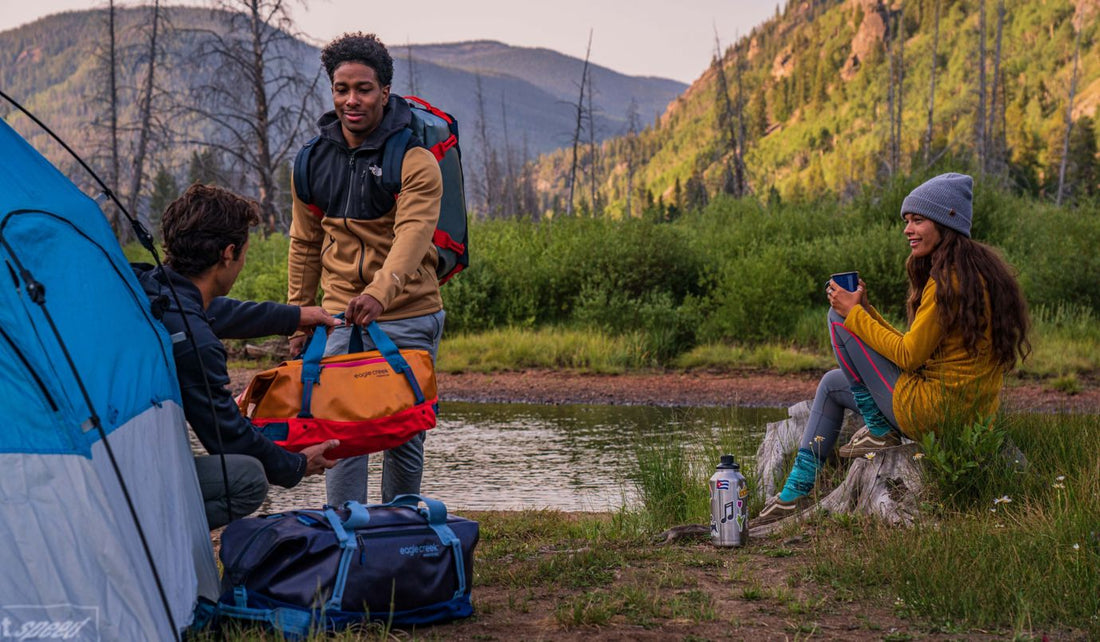
Hydration packs are backpacks with water bladders inside. They have a tube to drink from. You can sip water while walking. This keeps you hydrated all day. Packs have space for snacks and gear too. They are perfect for kids and adults alike.
Credit: eaglecreek.com
First Aid And Safety
A basic first aid kitis a must for camping. It should have band-aids, antiseptic wipes, and pain relievers. Include gauzeand medical tapetoo. These can help with cuts and bruises. Don’t forget tweezersfor splinters. Pack some antihistaminesfor allergies. It’s smart to have emergency contactswritten down. Keep everything in a waterproof bag.
Bring a flashlightwith extra batteries. A whistlecan signal for help. Pack a multi-toolfor different tasks. A compasshelps with directions. Have a fire starterfor warmth. A ropecan be useful in many ways. Always carry a mapof the area. A portable phone chargeris helpful too.
Navigation Tools
Maps and compasses help you find your way. A map shows where you are going. A compass points north. Always keep them dry. Put them in a plastic bag if it rains. Learn to read a map before your trip. Practice using a compass at home. These tools are important. They keep you safe. You can find a path or trail.
GPS devices show your exact location. They are easy to use. Turn them on and follow the screen. Charge your GPS fully before leaving. Bring extra batteries just in case. They are helpful in forests and mountains. GPS helps when lost. It guides you back to camp.
:max_bytes(150000):strip_icc()/best-camping-checklist-9ed9a04b9c31466ca46049eb2d2c9f72.jpg)
Credit: www.realsimple.com
Lighting And Power Sources
Headlamps are great for hands-free light. They are perfect for setting up tents in the dark. Flashlights are also useful. They are easy to carry and provide bright light. Both are lightweight and fit in your backpack. Remember to bring extra batteries. They ensure your lights work all night. LED bulbs last longer and save energy.
Portable chargers keep your devices powered. Phones and cameras need charging on trips. Choose a charger with high capacity. It should charge devices multiple times. Solar chargers are a good option too. They use sunlight and are eco-friendly. Always check if your charger is fully charged before leaving home.
Personal Hygiene Items
Always choose biodegradable soapfor camping. It helps keep nature clean. Traditional soaps can harm plants and water. Biodegradable soap breaks down safely. It’s gentle on the environment.
Use it for washing hands and dishes. Also, it’s good for bathing. Make sure to use it at least 200 feet from water sources. This keeps the water safe for wildlife.
Pack small-sized toiletriesto save space. Bring a toothbrush and toothpaste. A small bottle of hand sanitizer is useful too. Don’t forget deodorant. It helps you stay fresh.
Carry a lightweight towelas well. Quick-dry towels are best. They dry faster and take up less space. Use a small pouch to keep everything together. This makes it easy to find your items.
Entertainment And Leisure
Books can be your best friends in the wild. Bring your favorite novel or a fun comic. Games are great for laughs and fun. Pack a deck of cards for everyone. Board games can keep groups entertained for hours. Remember to bring games that don’t need batteries.
Capture memories with a camera. A digital camera is good for high-quality photos. Smartphones also take great pictures and are easy to carry. Don’t forget extra batteries and memory cards. A small tripod can help take steady shots. Binoculars can be helpful for viewing far away sights.
Frequently Asked Questions
What Should You Bring When You Go Camping?
Bring a tent, sleeping bag, and camping stove. Pack food, water, and cooking utensils. Don’t forget a first aid kit, flashlight, and extra batteries. Include clothing layers, hiking boots, and insect repellent. Carry a map, compass, and multi-tool for emergencies.
Ensure to pack all essentials for a safe trip.
What Are The 10 Camping Essentials?
Camping essentials include a tent, sleeping bag, backpack, water bottle, first aid kit, flashlight, food, stove, map, and clothes.
What Is The 200 Rule For Camping?
The 200 rule for camping advises setting up camp at least 200 feet from trails and water sources. This helps preserve natural habitats and prevents pollution. It ensures a minimal environmental impact while camping, promoting responsible outdoor practices.
Conclusion
Packing right makes your camping trip more enjoyable. Essentials like a tent, sleeping bag, and food are must-haves. Don’t forget a first-aid kit for emergencies. Bring layers to stay warm and dry. A flashlight helps after sunset. Always carry a map or GPS to avoid getting lost.
Water and a purifier are vital for hydration. Cooking gear ensures you can prepare meals. Remember insect repellent to keep bugs away. Plan well, and your adventure will be fun and memorable. Happy camping, and enjoy the great outdoors!