
Choosing the right backpack size for your travels can feel overwhelming, can’t it? You might wonder how to fit all your essentials without feeling like you’re lugging around a boulder.
Imagine walking through a bustling airport or hiking a scenic trail with the perfect backpack that feels just right on your shoulders. Sounds like a dream, right? This isn’t just about comfort; it’s about enhancing your travel experience and avoiding the dreaded packing panic.
In this guide, we’ll dive into the secrets of selecting the ideal backpack size, making your adventures more enjoyable and stress-free. Ready to uncover the perfect fit for your travels? Let’s get started!
Choosing The Right Backpack Size
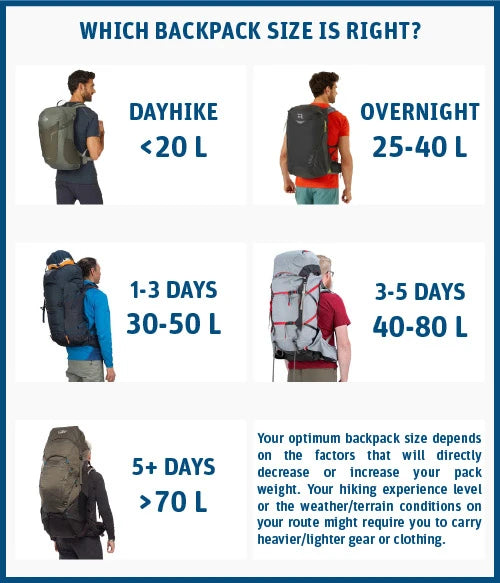
Picking the right backpack size is crucial for comfort. Backpacks come in different sizes. Small backpacks are good for short trips. Medium-sized backpacks suit weekends away. Large backpacks are for long adventures. Think about what you will carry. Clothes, snacks, and a water bottle take space. Consider your height too. A backpack should not be taller than your back. Weight matters as well. A heavy backpack is tiring. Adjustable straps help distribute weight evenly. Padded straps are important for shoulders. Hip belts reduce strain.
Compartments help organize items. Separate sections keep things tidy. Waterproof material protects from rain. Durability is key for long-term use. Style and color matter for some. Choose a backpack that fits your need and style. Comfort should always come first.
Credit: www.consolata.org
Factors Influencing Backpack Size
Short trips need smaller backpacks. A weekend trip may need a 30-liter pack. Long trips need bigger bags. A week-long journey may need 50 liters or more. The longer the trip, the more you pack. Always pack only what’s necessary.
Camping trips need more gear. Choose bigger backpacks with room for a tent. City tours need less gear. A small backpack is enough for city travel. Hiking requires special items. Choose a medium-sized pack for hiking. Always consider your travel type.
Some people need more personal items. Toiletries, clothes, and gadgets may take space. Others need fewer things. It depends on your style and preferences. Some need space for books or cameras. Think about your personal needs before choosing a backpack.
Common Backpack Sizes
Daypacks are perfect for short trips. They usually hold between 15 to 25 liters. Enough for essentials like a water bottle and snacks. Lightweight and easy to carry. Great for hiking or city tours. Not ideal for long journeys. Simple design and small size. Easy to store when not in use.
Weekend backpacks range from 30 to 50 liters. Suitable for short camping trips. Can fit clothes and personal items. Bigger than daypacks but still manageable. Comfortable straps make carrying easy. Some have extra pockets for organization. Good choice for two to three day adventures.
Extended travel backpacks are large. They hold 50 liters or more. Designed for long trips. Can carry clothes, gear, and more. Essential for long vacations or adventures. Often come with multiple compartments. Some have frames for support. Bigger size means more weight to carry.

Credit: herpackinglist.com
Packing Tips For Different Sizes
Roll clothes instead of folding them. This saves space. Use packing cubes to organize items. Stack them neatly. Compression bags can shrink bulky clothes. This creates extra room. Use every pocket in your backpack. Store small items in them. Choose lightweight clothes. They take up less space.
Pack a toothbrush and toothpaste. These are necessary. Bring a small first-aid kit. It can be handy. Don’t forget a water bottle. Stay hydrated. A raincoat is useful for wet weather. Carry a phone charger. You might need it. A small notebook and pen are helpful. Write important details. Always pack a snack for the journey.
Adjusting Backpack For Comfort
Proper strap adjustments make backpacks comfortable. Shoulder straps should sit snugly. They must not pinch or dig into shoulders. Hip belts help carry weight. They should rest on hips, not waist. This helps distribute weight evenly. Chest straps keep backpack stable. They prevent swaying from side to side. Adjust straps until the backpack feels good.
Even weight distribution is key. Heavy items should be close to the back. This helps balance the load. Light items go at the top or sides. Spread weight evenly inside. This prevents back pain and discomfort. Packing smart makes travelling easier. Use all compartments for best weight spread.
Credit: www.nytimes.com
Frequently Asked Questions
How Big Should My Backpack Be For Travelling?
Choose a backpack size between 40-50 liters for short trips. Opt for 60-80 liters for longer journeys. Consider your packing style and destination needs. Ensure it’s comfortable and fits carry-on requirements if flying.
What Size Backpack Do I Need For A Plane?
Choose a backpack under 45 liters to fit as a carry-on for most airlines. Check specific airline size limits. Aim for dimensions around 22 x 14 x 9 inches to ensure compliance. A compact, lightweight backpack ensures ease and comfort during travel.
Always verify with your airline before packing.
Is A 40l Backpack Allowed In A Flight?
Yes, a 40L backpack is generally allowed as carry-on luggage. Airlines have specific size and weight restrictions. Check the airline’s carry-on policy to ensure compliance.
Conclusion
Choosing the right backpack size makes travel easier. A well-sized backpack ensures comfort and convenience. Consider the trip length and activities planned. Pack only essentials to avoid overloading. A smaller backpack often means more mobility. Larger backpacks suit longer trips with varied gear.
Balance is key. Lightweight yet spacious options work best. Keep it simple. Enjoy the journey with the right backpack. Happy travels!