
Are you ready to take your extreme sports adventures to the next level? Whether you’re skydiving, mountain biking, or diving into the deep sea, the thrill comes with risks you can’t ignore.
That’s why having the best travel insurance for extreme sports isn’t just smart—it’s essential. Imagine the peace of mind knowing you’re covered if something unexpected happens. You’ll discover how to choose the perfect insurance that protects your adrenaline-fueled passion without holding you back.
Keep reading to find out what to look for and how to stay safe while chasing your next big thrill.
Why Travel Insurance Matters For Extreme Sports
Extreme sports carry high risks of injury, making travel insurance essential for protection. The best travel insurance covers medical costs, accidents, and emergencies during adventurous activities. It offers peace of mind while enjoying thrilling experiences safely.
Risks Of Extreme Sports Abroad
Extreme sports are fun but risky. Injuries can happen easily, like broken bones or sprains. Foreign hospitals can be expensive. Some places may not have good medical help. Bad weather can make sports dangerous. Equipment might get lost or damaged. Safety rules might be different in other countries. Always check local safety guidelines. Language barriers can make things harder in emergencies. Take precautions to stay safe.
Common Coverage Gaps In Standard Policies
Standard travel insurance often misses important coverage. Many plans do not cover extreme sports injuries. They may also miss emergency evacuations. Lost or damaged gear might not be included. Adventure sports need special coverage. Check if your policy covers these activities. Medical costs abroad can be high. Make sure your policy covers all risks. Read the policy details carefully. Ask questions if unsure.
Credit: epicexpeditions.co
Key Features To Look For
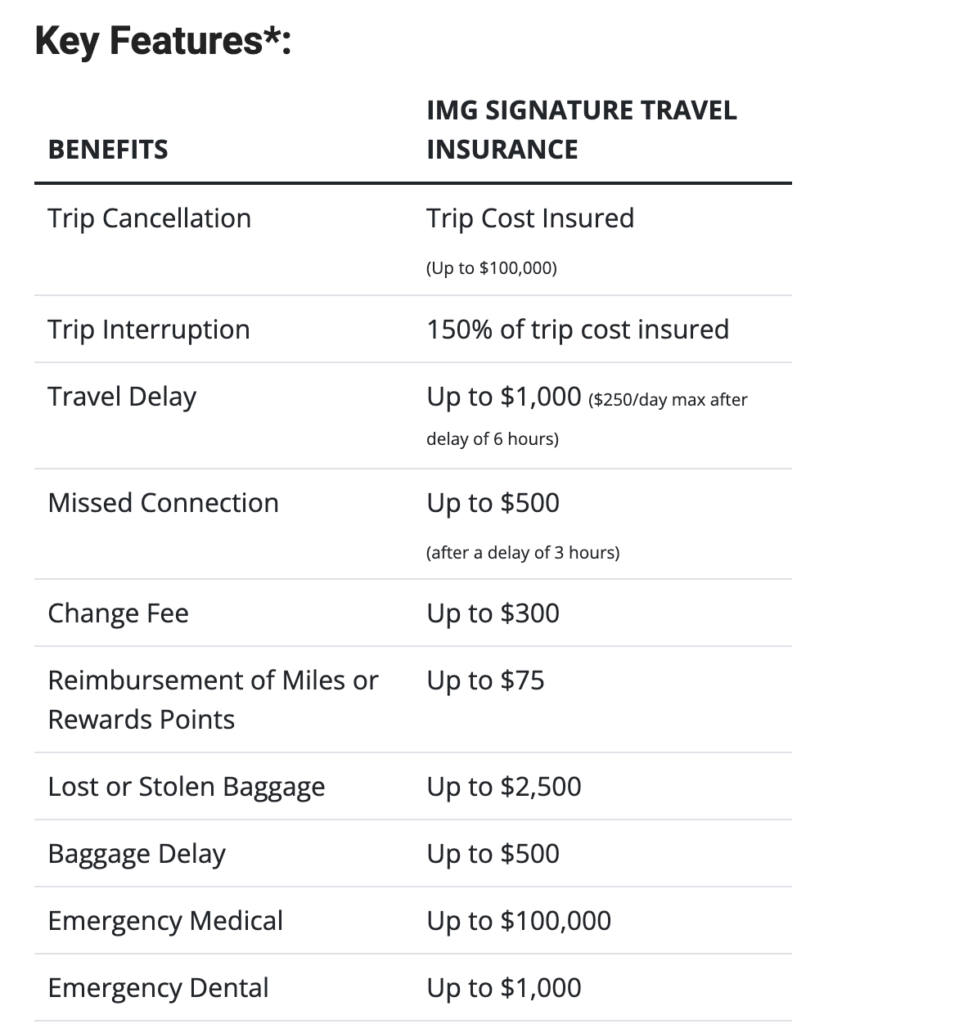
Medical coverage limitsshould be high enough for serious injuries. Extreme sports can cause big accidents. Check if the plan pays for hospital stays, surgery, and doctor visits. Look for coverage of emergency dental care too.
Emergency evacuation and rescueis very important. Some sports take place in remote areas. The plan must cover helicopter rides or special rescue teams. Quick help can save lives and money.
Equipment and gear protectionhelps if your sports gear breaks or is stolen. Some policies pay to repair or replace equipment. This saves you from unexpected costs.
Trip cancellation and interruptioncoverage refunds you if you cannot travel or must stop early. This can happen due to injury or weather. It protects your prepaid expenses like flights and hotels.
Top Travel Insurance Providers For Extreme Sports
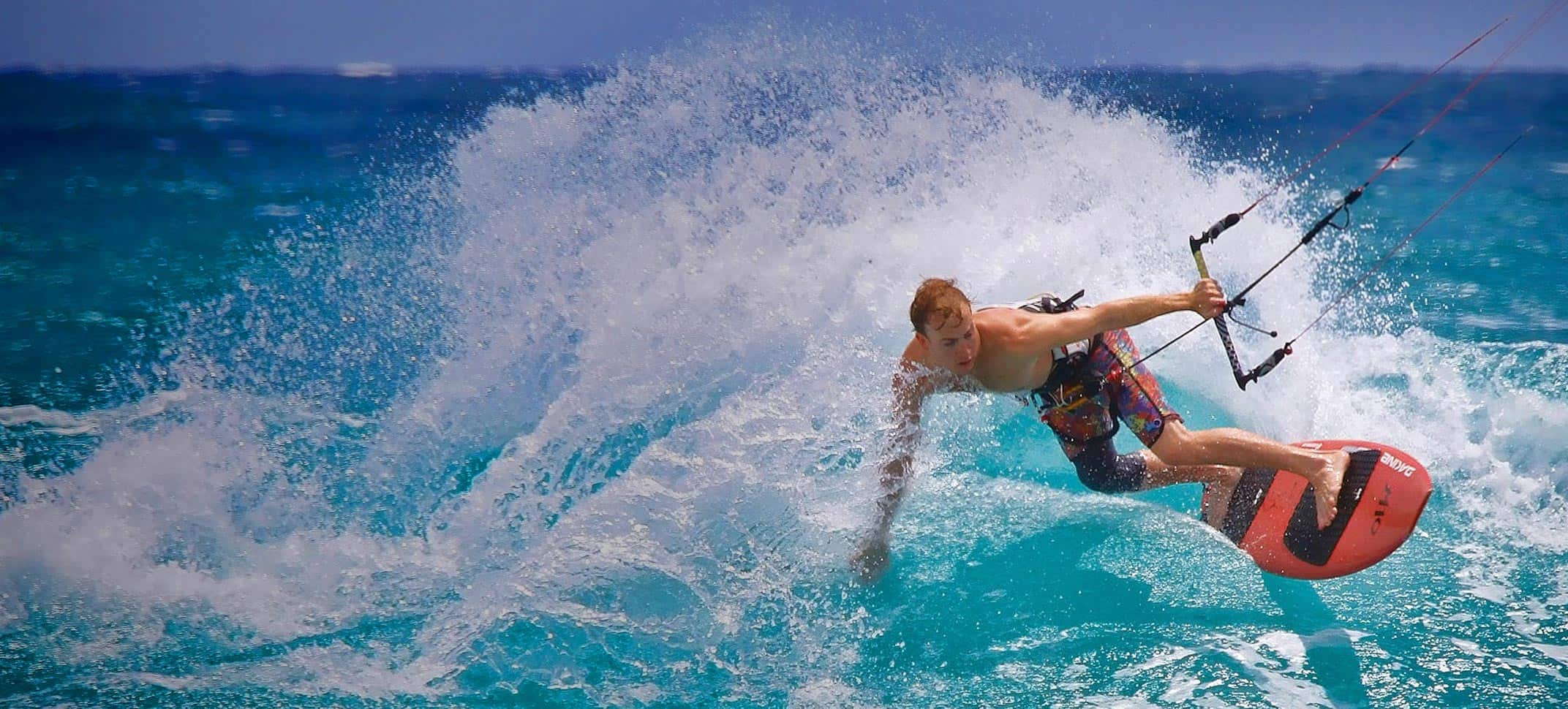
Specialized extreme sports insurers offer plans designed for high-risk activities. They cover sports like skydiving, bungee jumping, and rock climbing. These providers understand the risks and offer better coveragefor injuries and emergencies.
Popular general insurers also provide extreme sports add-ons. These add-ons extend regular travel insurance to cover certain sports. They are a good option for those who do not need full extreme sports coverage but want some protection.
| Type of Insurer | Coverage Features | Examples |
|---|---|---|
| Specialized Extreme Sports Insurers | Wide coverage for many high-risk sports Emergency evacuation included Higher limits for injury treatment | AdventureCare, SportSafe |
| Popular General Insurers with Add-ons | Base travel insurance plus sports add-on Covers select extreme sports Usually lower cost | Allianz, AXA, TravelGuard |
Credit: www.squaremouth.com
How To Choose The Right Policy
Different extreme sports have varying risk levels. Choose a policy that matches your activity typeand skill level. Some policies cover only specific sports. Others offer broader protection. Check if your sport is listed. Consider how often you practice the sport. The more active you are, the more coverage you might need.
Compare what each policy covers and its price. Some offer higher medical limits. Others include equipment lossor trip cancellation. Balance the cost with the benefitsyou need. Cheaper policies may have limited coverage. More expensive ones might cover more risks.
Read the policy’s terms carefully. Look for exclusionsor restrictions. These can affect claims. Check the claim processand waiting periods. Understand what counts as a valid claim. Make sure the language is clear and easy to understand.
Tips For Filing Claims After An Incident
Document all detailsof the accident right after it happens. Take photos of injuries, damage, and the scene. Write down what caused the accident and who was involved. Keep all medical reports and bills safe for your claim. This helps prove your case and speeds up the process.
Be calm and clear when talking to insurance adjusters. Answer questions honestly and stick to the facts. Avoid guessing or adding extra details. Keep notes of every call, including time, date, and what was said. This record can help if any disputes arise.
- Do not wait too long to file your claim.
- Provide all requested documents quickly.
- Avoid exaggerating injuries or damages.
- Check your policy for coverage limits and rules.
- Keep copies of everything you send to the insurer.
Credit: www.squaremouth.com
Additional Safety Measures To Consider
Choosing a helmet and protective gear can greatly reduce injury risks. Carrying a first aid kit and knowing local emergency numbers adds extra security. Always check weather conditions before extreme sports activities.
Pre-trip Medical Checkups
Get a full medical checkupbefore starting extreme sports travel. It helps find any health risks early. Doctors can give advice on staying safe during activities. This checkup also helps with insurance approval.
Training And Certification Importance
Proper training and certificationare essential for all extreme sports. They teach safety rules and correct techniques. Certified training reduces injury risks and builds confidence. Make sure to carry proof of your certification.
Traveling With Safety Equipment
- Always bring certified safety gear.
- Check equipment condition before travel.
- Use helmets, pads, and other protective items.
- Follow manufacturer instructions for use.
- Pack extra parts and repair tools.
Frequently Asked Questions
What Is The Best Travel Insurance For Extreme Sports?
The best travel insurance for extreme sports covers high-risk activities like skydiving and rock climbing. It offers medical, evacuation, and equipment protection tailored for adventurers. Look for policies with clear extreme sports coverage to avoid claim denials.
Does Standard Travel Insurance Cover Extreme Sports Injuries?
Standard travel insurance usually excludes extreme sports injuries. Specialized extreme sports insurance provides coverage for accidents during risky activities. Always check the policy’s terms to ensure your chosen sport is covered before you travel.
How To Choose Travel Insurance For Extreme Sports?
Choose travel insurance based on activity coverage, medical limits, and emergency evacuation options. Verify the insurer’s reputation and read policy exclusions carefully. Prioritize plans with specific extreme sports endorsements for maximum protection.
Are Extreme Sports Travel Insurance Policies Expensive?
Extreme sports insurance costs more than standard policies due to higher risk. Prices vary by activity type, duration, and coverage limits. Investing in proper coverage can save money on expensive medical and rescue costs abroad.
Conclusion
Choosing the best travel insurance protects you during extreme sports. It helps cover accidents and emergencies on your trips. Always check what activities the policy includes before buying. A good plan gives peace of mind while you enjoy adventures. Stay safe and prepared for every challenge you face.
Your next extreme sport trip will be worry-free with the right insurance. Don’t forget to compare options and read reviews carefully. Travel smart and protect yourself well.