
Planning an international trip can be both exciting and overwhelming. One of the crucial details you must tackle is figuring out the required luggage weight for your journey.
You’ve probably asked yourself, “How much can I pack without facing extra fees? ” The answer isn’t always straightforward, as different airlines have varying rules and restrictions. Worry not, because understanding these weight limits can save you time, stress, and money.
This article will guide you through the essential information you need to pack smartly and confidently. Stick around to discover how to avoid those unexpected charges and ensure a smooth travel experience.

Credit: fr.cabinzero.com
Airline Luggage Policies
Different airlines have various rules for luggage weight. Most allow two bags. Each bag can weigh up to 23 kilograms. This is around 50 pounds. Some airlines charge extra for heavier bags. It’s important to check the rules before flying. This can save money and hassle. Overweight bags may cost more than your ticket. Each airline has its own luggage policy. Always read these rules carefully.
Here are some tips to remember:
- Check the airline’s website for luggage rules.
- Weigh your bags at home.
- Pack only what you need.
- Consider buying a portable luggage scale.
- Arrive early at the airport to avoid surprises.
By knowing these rules, you can travel smoothly and avoid extra fees.
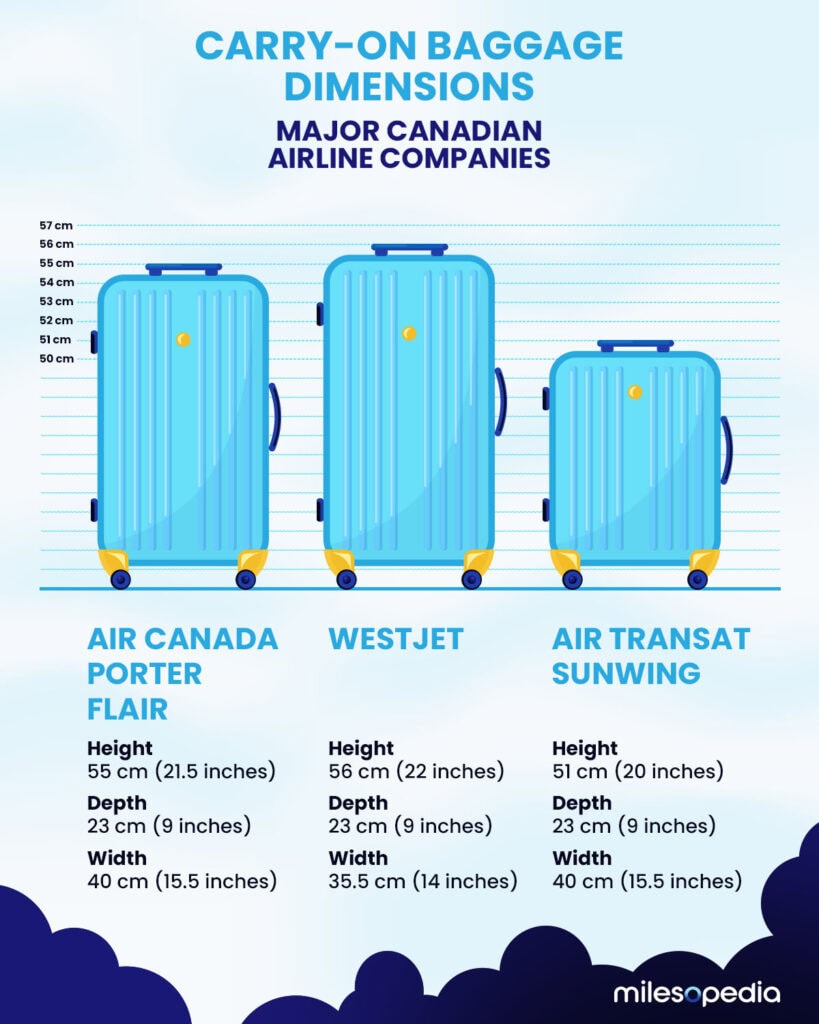
Credit: milesopedia.com
Weight Limits By Class
Different flight classes have different luggage weight limits. Economy class usually allows one bag. The weight limit is often 23 kg or 50 lbs. Business class passengers may carry more. They often get two bags, each 32 kg or 70 lbs. First class travelers enjoy even more privileges. They may have three bags, each weighing 32 kg or 70 lbs.
Overweight fees are common if bags exceed these limits. It’s best to check with your airline before packing. Airlines have varied policies, so rules can change. Knowing these limits helps in planning your travel.
Additional Fees For Overweight Bags
Many airlines charge extra for overweight luggage. Fees can be high. Always check the airline’s weight limitbefore packing. Each airline has different rules. Some allow more weight. Others have stricter limits. Overweight fees can range from $50 to $200. The fee depends on the airline and the weight of the bag. Sometimes, paying online is cheaper than at the airport. It’s good to plan ahead. Pack smart to avoid extra costs. Use a luggage scale. It helps keep track of bag weight. This saves money and stress.

Credit: www.cabinzero.com
Tips For Packing Light
Packing light helps in saving space and money. Always check the airline’s weight limitfor luggage. This helps avoid extra fees. Choose lightweight luggageto save weight. Pack clothes that can be mixed and matched. This gives more outfit options with fewer items.
Use a packing listto avoid unnecessary items. Roll clothes instead of folding to save space. Carry travel-sized toiletriesto reduce weight. Wear heavy shoesand jackets on the plane. This saves space in your bag. Use a digital scaleto check your bag’s weight before leaving home.
- Check airline weight limits.
- Use lightweight luggage.
- Pack mix-and-match clothes.
- Make a packing list.
- Roll clothes to save space.
- Carry travel-sized toiletries.
- Wear heavy items on the plane.
- Use a digital scale at home.
Impact Of Frequent Flyer Status
Frequent flyer status can change luggage rules. Airlines often offer extra baggage allowances. Gold and Platinum members may get more weight. Priority boarding is another perk. This means less time waiting in line. Some airlines offer free upgrades. This can include extra legroom or better seats. Frequent flyers often get special treatment. This can include faster check-in and security checks. Status can also bring lounge access. Relax before your flight with snacks and drinks.
Loyalty programs can be very rewarding. You may earn bonus miles for your flights. More miles mean more free flights in the future. Some programs offer partner benefits. This can include discounts on hotels or car rentals. Frequent flyers often have dedicated customer service. This means help when you need it most.
Exceptions And Special Cases
Some airlines allow special luggage weight for certain items. Sports equipmentlike skis or golf clubs might have different rules. Musical instrumentscan sometimes be carried as cabin luggage. It’s important to check your airline’s policy. Medical equipmentmay qualify for extra weight allowance. Always bring necessary documents for medical exceptions.
Diplomatic traveloften has unique luggage rules. Government officials may carry more weight. Verify with your travel agency for details. Military personnelmight have special baggage allowances. This depends on their assignment. Students studying abroadcould have extra luggage weight. Schools sometimes arrange this with airlines.
Each airline has its own rules for exceptions. Always verify before packing. This ensures smooth travel without surprises.
Frequently Asked Questions
How Much Should My Luggage Weigh When Flying Internationally?
International flight luggage weight typically ranges from 50 to 70 pounds. Check your airline’s specific baggage policies.
What If My Bag Is Over 50 Lbs Internationally?
Contact your airline for specific overweight bag policies. Fees may apply. Consider repacking or shipping items separately to avoid extra charges. Packing lighter helps comply with weight limits and save money. Always check baggage weight allowances before travel to prevent unexpected fees.
What If My Suitcase Is Over 50 Lbs In United?
United Airlines charges an overweight fee for bags over 50 lbs. Fees vary, typically starting at $100 per bag.
Can You Bring 2 Bags 30 Kg For An International Flight?
Check your airline’s baggage policy. Most international flights allow two 23 kg bags, not 30 kg each. Confirm with your airline to avoid extra fees.
Conclusion
Traveling internationally? Pack smart. Know your airline’s luggage rules. Weight limits vary. Check ahead to avoid surprise fees. A digital scale helps. Weigh bags before leaving home. Be mindful of restricted items. Remember, lighter bags are easier to move. Consider space for souvenirs.
Organize belongings efficiently. Roll clothes to save room. Limit toiletries to essentials. Keep important documents handy. Enjoy your trip with peace of mind. Prepare well and travel smoothly. Safe travels!