
When you’re planning a visit to Auschwitz, it’s not just another trip on your itinerary. It’s a step into a haunting past that has shaped history in profound ways.
You might feel a mix of curiosity, respect, and perhaps a touch of apprehension. This guide is here to help you navigate those feelings and prepare you for what lies ahead. Knowing what to expect can transform your visit into a deeply meaningful experience, rather than just a historical tour.
Before you set foot in Auschwitz, there are essential things you need to know that will enhance your understanding and make your visit truly impactful. Stay with us as we guide you through this journey, ensuring you’re well-prepared to absorb the weight and significance of what you’ll see and learn.
Historical Context
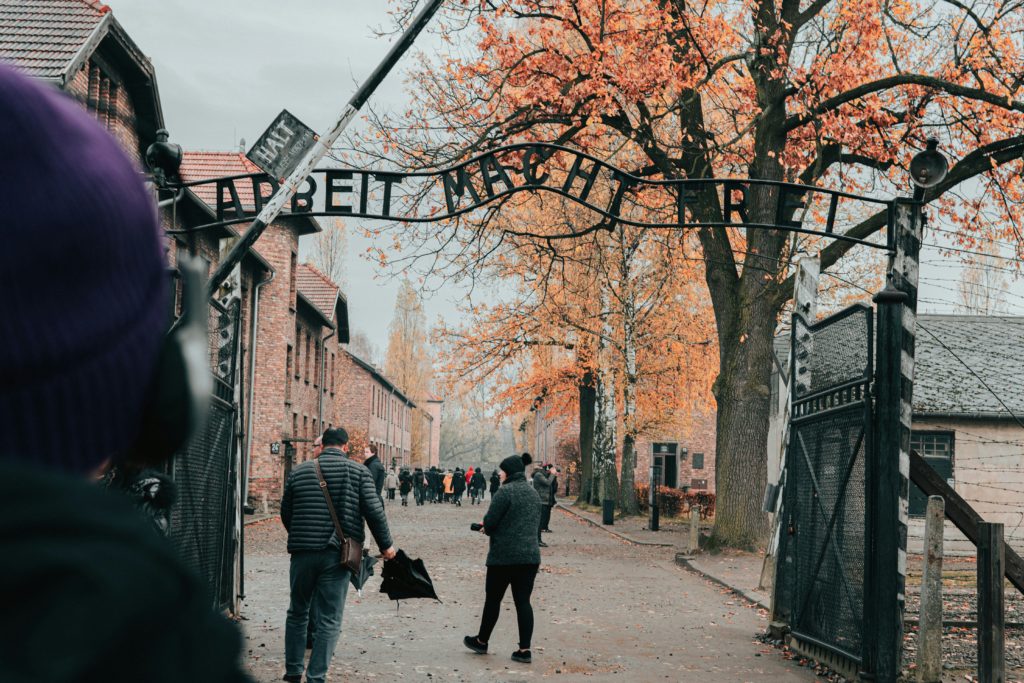
Auschwitz is a place with a deep history. It was a Nazi concentration camp during World War II. Many people suffered and died there. Understanding its history is important for visitors. The camp opened in 1940. It was first for Polish prisoners. Later, it became a site for the mass murder of Jews and others. Over 1.1 million people died in Auschwitz.
In 1945, Soviet forces freed the camp. Today, it stands as a memorial and museum. It reminds us of the past horrors. The stories of survivors teach us valuable lessons. Remembering helps us honor those who suffered. Learning about Auschwitz’s history is important for all. It helps us ensure such events never happen again.
Credit: atcracow.com
Visitor Guidelines
Visitors should know the rules of Auschwitz. Respect the site at all times. Silence is important in many areas. Photography is limited in some parts. Follow the guides carefully. Touching objects is not allowed.
Book your tickets early. Check the opening hours online. Wear comfortable clothes and shoes. Bring water and snacks. Large bags are not allowed. Prepare for a long walk.
Stay quiet and respectful. Listen to your guide. Follow the pathways. Do not wander off. Respect other visitors and their experience.
Learn about Auschwitz before you visit. Read books or watch documentaries. Understand the importance of the site. Remember the victims and honor their memory.
Emotional Preparedness
Auschwitz is a place with deep history. Many people suffered here. Learning about this history is important. It helps you understand the gravity of what happened. It is not just a visit. It is a journey through time.
Visiting Auschwitz can be very emotional. You might feel sadness and grief. Many people cry during their visit. It’s okay to feel this way. Remember to take care of your feelings. Talk about them with a friend if needed.
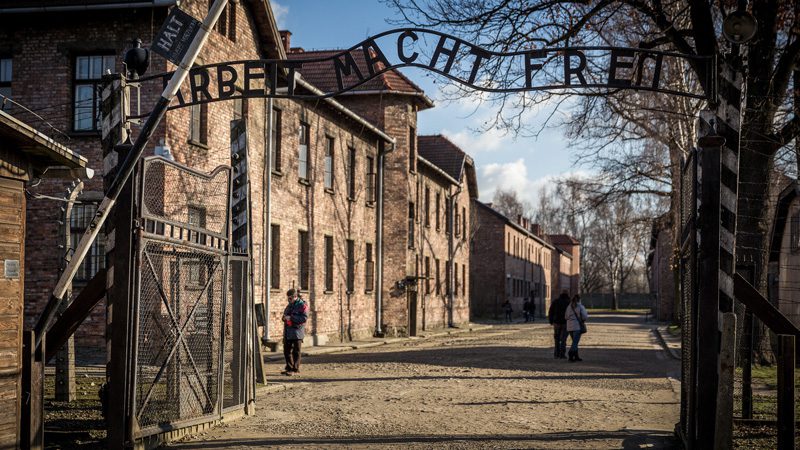
Auschwitz is a place of remembrance. Show respect by being quiet and thoughtful. Many people lost their lives here. Taking photos might not be allowed. Always follow the rules.
Credit: www.intrepidtravel.com
Logistical Considerations
Visiting Auschwitz needs careful planning. Start by booking your ticketsearly. Many visitors go, and spots fill fast. Check the weatherbefore your trip. Wear comfortableshoes. The site is large, and you will walk a lot. Bring a water bottle. It can be hot or cold, depending on the season. Pack light, but keep essentials close. Cameras are allowed, but respect the rules. Some areas may not allow photos. Plan your transportahead. Buses and trains run regularly. Remember to check the schedules. Arriving early gives you more time. Most tours last a few hours. It’s important to stay hydrated and rested.
Reflective Opportunities
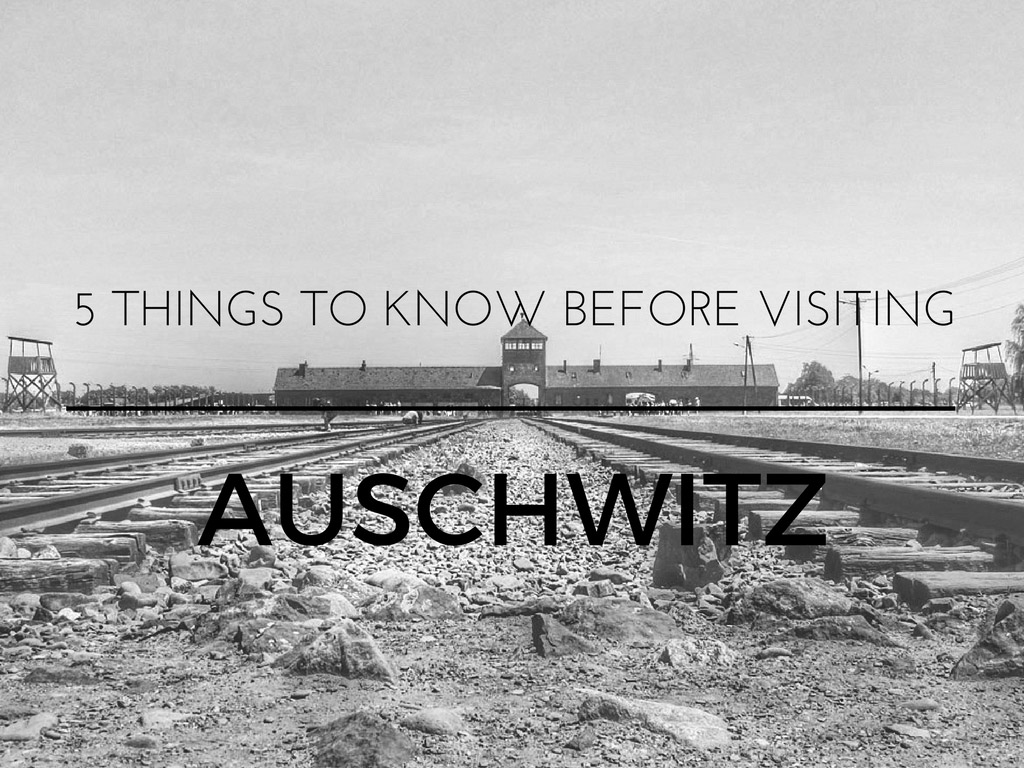
Visitors often feel a deep sense of reflection at Auschwitz. This historic site is more than a museum. It’s a place of remembrance. People come to learn about the past. Many leave with a heavy heart. The stories of survivors touch souls. It’s important to think about their experiences. Reflecting on history helps us understand. It urges us to make better choices. Silence is common here. It allows visitors to think quietly. Some bring flowers to honor those lost. Many write notes to express feelings. Each action is a sign of respect. This place teaches us about humanity’s past. It urges a commitment to peace. Visitors often find their own way to reflect. Everyone experiences the site differently. Respect for the place and its history is vital. Taking time to reflect can be enlightening. Understanding the past is crucial for the future. Auschwitz offers a chance to learn and grow.
Credit: www.claraontheroad.com
Frequently Asked Questions
What Not To Do When Visiting Auschwitz?
Avoid taking selfies or inappropriate photos. Show respect by speaking quietly and dressing modestly. Don’t eat or drink on-site. Avoid bringing large bags. Refrain from making jokes or disrespectful comments.
How To Prepare For A Trip To Auschwitz?
Plan your visit by booking tickets in advance. Wear comfortable clothing and shoes. Respect the site’s solemnity. Bring water and snacks. Consider a guided tour for deeper understanding.
What Is Appropriate To Wear To Auschwitz?
Wear respectful clothing, avoiding shorts and sleeveless tops. Choose comfortable shoes for walking. Keep weather conditions in mind. Dress modestly to honor the site’s solemnity.
Conclusion
Auschwitz offers a sobering glimpse into history. Respect and empathy are essential. Prepare emotionally for the visit. Guided tours can enhance your understanding. Dress appropriately for the weather. Photography is allowed, but be mindful. Silence speaks volumes in this sacred place.
Avoid visiting with young children. They might find it too distressing. Remember to check opening hours. Plan your visit in advance. Ensure you follow all site rules. The experience will leave a lasting impact. Reflect on the lessons learned. Share your experience respectfully with others.
Honor the memory of those who suffered.