
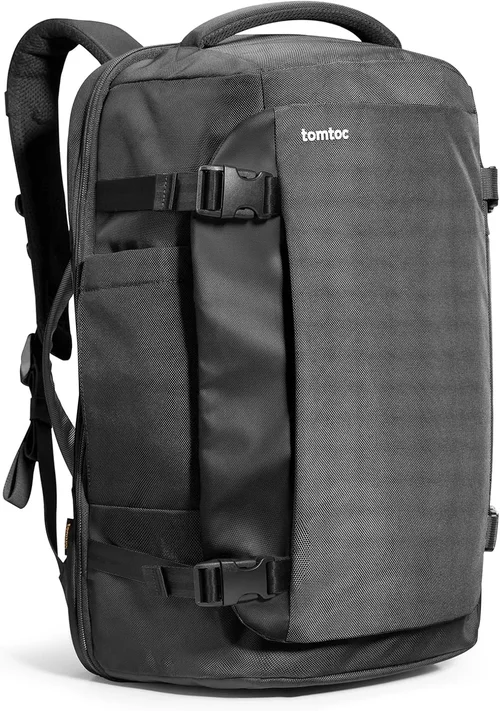
Embarking on international travel is an exhilarating experience, a journey filled with new cultures, breathtaking sights, and unforgettable memories. Yet, even the most seasoned globetrotter can attest that the foundation of a smooth trip often begins with smart packing – specifically, choosing the right carry-on backpack. In an era of ever-changing airline baggage policies, escalating checked bag fees, and the desire for seamless transit, the carry-on backpack has emerged as the quintessential travel companion for efficiency and freedom. It’s more than just a bag; it’s a statement of minimalist travel, a commitment to agility, and a passport to convenience.
This comprehensive guide is designed to cut through the noise and provide you with an expert-level understanding of what truly matters when selecting your international carry-on backpack. We’ll delve into the nuances that separate a good bag from a great one, ensuring you make an informed decision that enhances your travels rather than hinders them. From understanding airline size restrictions across different continents to dissecting material durability and ergonomic design, every facet will be explored. Consider this your definitive resource, a personal consultant in your quest for the perfect travel partner.
The market for carry-on backpacks is vast and diverse, ranging from ultra-lightweight minimalist designs to feature-rich packs built for adventure. With so many options, making a choice can feel overwhelming. Our aim is to demystify this landscape, equipping you with the knowledge to identify a backpack that aligns perfectly with your travel style, comfort needs, and budget. By the end of this guide, you’ll not only know what to look for but also understand why certain features are non-negotiable for international expeditions, ensuring you travel smarter, lighter, and worry-free.

What to Look for When Buying Buying Guide
Choosing the ideal international carry-on backpack involves a meticulous evaluation of several critical factors. Each element plays a pivotal role in ensuring your travel experience is comfortable, efficient, and hassle-free. Let’s break down the key considerations.
1. Size & Airline Compatibility
This is arguably the most crucial factor for an international carry-on. Unlike domestic flights, international carriers often have stricter and more varied size restrictions. A bag that fits overhead on one airline might be gate-checked on another, leading to unexpected fees and delays. Look for backpacks that adhere to the most common international carry-on dimensions, typically around 22 x 14 x 9 inches (56 x 36 x 23 cm) for the main compartment, though some airlines may be even stricter, especially on budget carriers or smaller planes. Always check the specific airline’s requirements you’ll be flying with. Beyond the main compartment, consider the total dimensions when fully packed, including any external pockets or handles. A bag with compression straps can be a lifesaver, allowing you to cinch down a slightly overstuffed pack to meet regulations. Flexibility in the bag’s structure can also help it squeeze into a tight sizer.
2. Capacity & Organization
Capacity, measured in liters, dictates how much you can pack. For international carry-on travel, a range of 35-45 liters is generally considered the sweet spot. This allows enough space for a week or two’s worth of clothes (especially with packing cubes) while remaining within carry-on limits. Beyond raw volume, the internal organization is paramount. Does the backpack have multiple compartments, or is it a single large cavern? Look for features like a dedicated padded laptop sleeve (easily accessible for security checks), internal compression straps to secure your belongings, and various zippered pockets for smaller items like toiletries, documents, and electronics. External quick-access pockets are great for water bottles, travel documents, or snacks. A clamshell or panel-loading design, which opens like a suitcase, is often preferred over a top-loader for easier packing and access to all your items without rummaging.
3. Comfort & Ergonomics
You’ll be carrying this backpack through airports, train stations, and potentially city streets, so comfort is non-negotiable. Look for adjustable, padded shoulder straps that distribute weight evenly. A sternum strap helps stabilize the load and relieve pressure on your shoulders, while a padded hip belt (especially for larger capacities) transfers weight to your hips, taking a significant burden off your back. The back panel should be well-padded and, ideally, have some ventilation to prevent excessive sweating. Some higher-end backpacks offer adjustable torso lengths, allowing for a custom fit. Test the backpack with some weight in it if possible to see how it feels on your body. Remember, a comfortable bag means a happier traveler.
4. Build Quality & Durability
An international carry-on backpack is an investment, and you want it to withstand the rigors of travel for years to come. Focus on the materials and construction. High-denier nylon or polyester (e.g., 500D, 1000D Cordura) offers excellent abrasion and tear resistance. Ripstop fabrics add an extra layer of protection against small tears turning into large ones. Pay close attention to the zippers; YKK zippers are the industry standard for durability and smooth operation. Reinforced stitching at stress points (like where straps attach to the main body) indicates a well-made bag. Water-resistant coatings or fabrics are also a significant plus, protecting your belongings from unexpected rain showers or spills.
5. Security Features
When traveling internationally, the security of your belongings is paramount. Look for backpacks with lockable zippers on the main compartments (most quality bags will have loops for a TSA-approved padlock). Hidden pockets for valuables like passports, cash, and credit cards are also incredibly useful. Some backpacks incorporate slash-resistant fabrics or internal wire mesh, although these are more common in specialized anti-theft bags. Keeping your most valuable items secure and close to your body is always a good practice, and a backpack designed with these considerations in mind provides peace of mind.
6. Versatility & Aesthetic
Your carry-on backpack should be as versatile as your travel plans. Can it transition from an airport bag to a daypack for city exploration? Some bags feature stowable shoulder straps and hip belts, transforming them into a more streamlined duffel-like bag for checking (if absolutely necessary) or for a more professional appearance in certain settings. Consider if it has external attachment points for extra gear like a jacket or sleeping mat, although for carry-on, minimalism is usually key. The aesthetic, while personal, can also be important. Do you prefer a sleek, modern look or something more rugged and outdoorsy? Does the color stand out too much, potentially attracting unwanted attention, or does it blend in?
7. Brand Reputation & Warranty
A reputable brand often translates to higher quality control, better materials, and superior customer service. Brands like Osprey, Patagonia, Tortuga, Nomatic, and Thule are renowned in the travel backpack sphere for good reason. They stand behind their products. A strong warranty is a testament to a manufacturer’s confidence in their product’s durability. Many premium brands offer lifetime warranties or extensive repair programs, which can be invaluable for an item that will see a lot of wear and tear. Reading reviews from other international travelers can also provide real-world insights into a brand’s reliability and the practical performance of specific models.
8. Budget & Price Range
The cost of an international carry-on backpack can vary wildly, from under $100 to over $400. While it’s tempting to go for the cheapest option, remember that this is a critical piece of travel gear. Investing in a higher-quality bag often pays dividends in durability, comfort, and features, potentially saving you money in the long run by avoiding replacements or checked bag fees. Set a realistic budget, but be prepared to stretch it slightly for a bag that truly meets your needs and promises longevity. We’ll delve deeper into budget guidelines later in this guide, but for now, understand that price often reflects the quality of materials, construction, and design.
Different Types of Buying Guide
While the goal is always a carry-on compatible backpack, there are distinct types designed for different travel styles and preferences. Understanding these categories can help you narrow down your search for the perfect international travel companion.

Each type brings its own set of advantages and compromises. Consider your primary travel style: are you mostly hopping between cities, embarking on multi-day treks, or a mix of both? Your answer will guide you to the most suitable category.
Common Buying Mistakes to Avoid
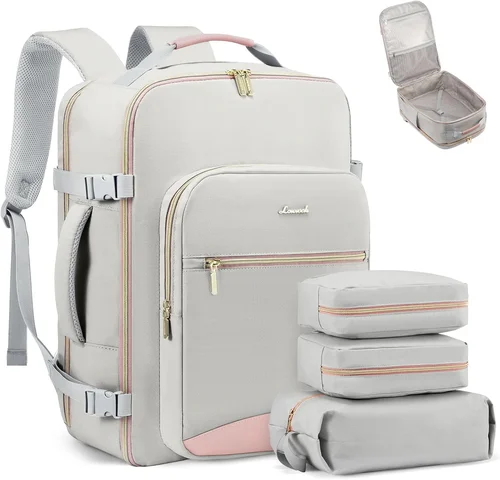
Even with all the information available, it’s easy to make missteps when purchasing a travel backpack. Avoiding these common errors can save you money, frustration, and discomfort on your international adventures.
❌ Mistake: Ignoring Airline Carry-On Size Restrictions
Why it’s bad: This is perhaps the biggest and most costly mistake. Assuming all carry-on bags are created equal or that you can “fudge” a few inches can lead to your bag being gate-checked, incurring hefty fees, and potentially causing delays or even lost luggage. International airlines, especially budget carriers in Europe or Asia, are notoriously strict with measurements, and some even weigh carry-ons. What fits on a US domestic flight might not on an international one. The dimensions provided by backpack manufacturers are often for an empty bag; a packed bag can bulge beyond these limits.
What to do instead: Always, always, always check the specific carry-on size and weight restrictions for every airline you plan to fly with. If your itinerary includes multiple airlines, plan for the most restrictive one. Look for bags that are explicitly designed to meet common international carry-on standards (e.g., IATA recommendations) or those with strong compression capabilities. When packing, be mindful of overstuffing to avoid exceeding limits.
❌ Mistake: Prioritizing Capacity Over Comfort
Why it’s bad: It’s tempting to squeeze every possible liter into your carry-on, thinking “more space is better.” However, a larger capacity often means a heavier bag, and if it’s not designed to carry that weight comfortably, you’ll be miserable. An overloaded, poorly fitting backpack can cause shoulder strain, back pain, and general fatigue, turning what should be an exciting journey into a painful ordeal, especially during long transits or walks through unfamiliar cities.
What to do instead: Find the right balance. A 35-45L backpack is usually sufficient for a week or two of carry-on international travel. Focus on efficient packing with items you truly need. When testing backpacks, always put some weight in them (e.g., books, weights) and walk around. Pay attention to padded shoulder straps, a comfortable back panel, and especially the presence of a functional hip belt and sternum strap that can effectively transfer weight off your shoulders.
❌ Mistake: Overlooking the Importance of Organization
Why it’s bad: A cavernous main compartment might seem spacious, but without proper organization, it quickly becomes a black hole where everything gets lost. This means constantly digging for items, wrinkling clothes, and wasting valuable time at security checkpoints trying to retrieve your laptop or liquids bag. A disorganized bag leads to frustration and can even compromise the safety of delicate items.
What to do instead: Look for backpacks with thoughtful internal and external organization. This includes a dedicated, padded laptop sleeve (preferably accessible without opening the main compartment), multiple zippered pockets for smaller items, and internal compression straps. A clamshell opening is often vastly superior to a top-loader for travel, allowing you to access all contents easily. Invest in packing cubes; they are game-changers for keeping clothes tidy and compressed.
❌ Mistake: Skimping on Build Quality and Zippers
Why it’s bad: A backpack is only as strong as its weakest link. Cheaper materials, flimsy stitching, and low-quality zippers are almost guaranteed to fail at the worst possible time – mid-trip, possibly thousands of miles from home. A broken zipper, a ripped seam, or a torn strap means your belongings are exposed or you’re left scrambling for a replacement bag, adding stress and unexpected costs to your journey.
What to do instead: Inspect the backpack thoroughly. Look for high-denier nylon or polyester fabrics (e.g., Cordura), reinforced stitching at stress points, and, crucially, YKK zippers. These are industry standards for durability. While a premium bag might cost more upfront, it’s an investment in reliability and longevity, saving you money and hassle in the long run. Read reviews specifically mentioning durability and materials.
❌ Mistake: Buying Without Considering Your Travel Style
Why it’s bad: A backpack designed for backpacking through Southeast Asia won’t be ideal for a business trip to London, and vice-versa. Buying a bag that doesn’t match your travel activities means you’ll either be carrying an unnecessarily bulky bag for urban trips or a fragile, under-featured one for rugged adventures. This mismatch leads to discomfort, inefficiency, and potentially damaging your gear.
What to do instead: Honestly assess your typical travel style. Are you a digital nomad needing tech organization? An adventure traveler requiring durability and external gear loops? A minimalist urban explorer? A business traveler who needs to look presentable? Choose a backpack whose features and design directly support how you intend to use it. For example, a sleek, minimalist pack is better for city-hopping and looking professional, while a more rugged, comfortable pack with a good hip belt is better for longer walks with your gear.
❌ Mistake: Ignoring Warranty and Return Policies
Why it’s bad: Even the best-made products can have manufacturing defects or unforeseen issues. If you purchase a backpack without understanding its warranty or return policy, you could be stuck with a faulty product or unable to return it if it doesn’t meet your expectations once you start using it. This is especially critical for an item you rely on heavily for international travel.
What to do instead: Always check the manufacturer’s warranty. Reputable brands often offer lifetime warranties or extensive coverage against defects. Also, be clear on the retailer’s return policy. Can you return it after trying it on for size, or even after a short “test” pack? Understanding these policies provides a safety net and ensures you’re satisfied with your investment.
Budget Guidelines: How Much Should You Spend?
The price of an international carry-on backpack can vary significantly, reflecting differences in materials, features, brand reputation, and overall build quality. Understanding these tiers will help you set a realistic budget for your needs.
-
Entry-Level ($50 – $120): What to expect…
In this price range, you’ll find basic carry-on backpacks, often made from less durable materials like standard polyester. They typically offer fundamental compartments but might lack advanced organization, robust padding, or sophisticated suspension systems. Zippers might not be YKK, and stitching could be less reinforced. While they can serve for occasional, light travel, don’t expect them to endure years of heavy international use. Comfort might be compromised on longer carries, and warranty support may be minimal.
-
Mid-Range ($120 – $250): Sweet spot for most buyers…
This is where the majority of travelers will find the best balance of price and performance. Backpacks in this category typically feature better quality materials (e.g., higher-denier nylon), YKK zippers, and improved construction. You’ll start seeing dedicated laptop compartments, internal organization, and more comfortable, adjustable harness systems with better padding and perhaps even a basic hip belt. Many reputable brands offer excellent options here, providing a durable, comfortable, and feature-rich experience for frequent international travel. This is often the best value for money.
-
Premium ($250 – $400): For enthusiasts and professionals…
Step into this tier, and you’re looking at top-of-the-line materials, advanced ergonomic designs, and a wealth of thoughtful features. Expect extremely durable, often weather-resistant fabrics, highly adjustable and comfortable suspension systems with excellent load transfer, and superior organizational options, including quick-access pockets and secure compartments. These backpacks are built for serious travelers, digital nomads, and those who demand the utmost in durability, comfort, and specialized functionality. Brands in this range often come with excellent warranties and customer support.
-
Luxury ($400+): Top-tier features, specialized designs…
At the very top end, you’ll find highly specialized backpacks, sometimes integrating unique materials, advanced anti-theft features, or specific designs for niche travel styles (e.g., high-end photography gear bags, or extremely minimalist, aesthetically driven packs with premium leather accents). While they offer exceptional quality and features, the added cost might not always translate to significantly better travel utility for the average user compared to the premium tier. This range is for those who prioritize specific, high-end features, cutting-edge design, or simply desire the absolute best regardless of cost.
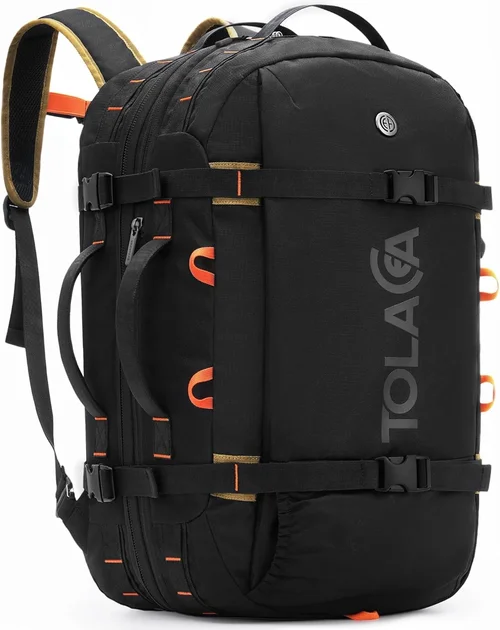
Expert Tips for Getting the Best Deal
Securing a great carry-on backpack doesn’t always mean paying full price. With a little strategic planning, you can often find high-quality gear at a more favorable cost.
-
When to Buy: Seasonal Sales & Holiday Events
Major retail holidays are prime times for deals. Look out for sales during Black Friday/Cyber Monday (November), Amazon Prime Day (July), and end-of-season clearances (often late summer/early fall for outdoor gear, or after Christmas). Retailers also frequently run sales during long weekends like Memorial Day or Labor Day. Keep an eye on specific brand websites; many have their own seasonal promotions.
-
Where to Buy: Online vs. In-Store
Online retailers (Amazon, Zappos, Backcountry, REI, etc.) generally offer a wider selection and competitive pricing, often with free shipping and easy returns. However, buying in-store (at outdoor recreation stores like REI or dedicated luggage shops) allows you to physically try on the backpack with weights, which is invaluable for assessing comfort and fit. If you find a model you love in-store, check online for better pricing, but consider supporting local businesses if the price difference isn’t too significant, especially for the expert advice you receive.
-
How to Spot Deals: Price Tracking & Outlet Stores
Use price tracking websites or browser extensions (like CamelCamelCamel for Amazon) that show historical pricing, helping you determine if a “deal” is truly a good price. Keep an eye on clearance sections on retailer websites. Many brands also have outlet stores (physical or online) where you can find past-season models or slightly imperfect items at a significant discount. Don’t discount second-hand markets like eBay or dedicated gear exchange forums, but exercise caution and verify authenticity.
-
Leverage Warranty & Return Policies
A generous return policy, especially if it allows you to test the bag at home, is a huge asset. Some retailers, like REI, have legendary return policies that let you return an item even after use if you’re not satisfied, within a reasonable timeframe. A strong manufacturer’s warranty (often lifetime for premium brands) means your investment is protected against defects, making a slightly higher upfront cost more justifiable.
-
Consider Past-Season Models
Manufacturers often update their backpack lines annually, making minor tweaks to colors, materials, or features. Last year’s model, which might be functionally almost identical, can often be found at a steep discount when the new line is released. These are fantastic opportunities to get premium features without the premium price tag.
-
Join Loyalty Programs
Many retailers offer loyalty programs that provide members with exclusive discounts, early access to sales, or cashback rewards. If you frequently purchase outdoor or travel gear, these programs can accumulate significant savings over time. For example, REI Co-op members get an annual dividend on qualifying purchases.
-
Don’t Forget Accessories
Sometimes, a bundle deal with essential accessories like packing cubes, a travel daypack, or a rain cover can offer better overall value than buying everything separately. Evaluate if these bundled items are genuinely useful to you before committing.

Frequently Asked Questions
Q: What is the ideal liter capacity for an international carry-on backpack?
A: For most international carry-on travelers, a backpack with a capacity between 35 and 45 liters is considered ideal. This range typically allows you to pack enough clothing and essentials for a 1-2 week trip, especially when utilizing efficient packing techniques like packing cubes, while still adhering to the majority of airline carry-on size restrictions. Going much larger risks exceeding dimensions or weight limits, while going much smaller might be too restrictive for longer trips unless you’re an extreme minimalist.
Q: Are all carry-on backpacks the same size globally?
A: No, absolutely not. This is a common misconception. While there’s a loose “standard” of around 22 x 14 x 9 inches (56 x 36 x 23 cm) derived from IATA recommendations, individual airlines, particularly budget carriers in different regions (e.g., Ryanair in Europe, AirAsia in Asia), can have significantly stricter or unique dimension and weight limits. Always check the specific airline’s policy for each leg of your international journey to avoid unexpected gate-check fees.
Q: Is a clamshell opening better than a top-loader for travel?
A: Generally, yes, for travel purposes. A clamshell (or panel-loading) opening allows the backpack to open almost entirely flat, much like a suitcase. This provides full access to all your belongings, making packing and unpacking much easier, and allows you to quickly find specific items without having to dig through everything. Top-loading backpacks, more common for hiking, make it harder to access items at the bottom of the pack without emptying the contents.
Q: Should I get a backpack with a hip belt and sternum strap?
A: For international carry-on travel, especially if your backpack will be near the upper end of the capacity range (35-45L) and you’ll be carrying it for extended periods, a hip belt and sternum strap are highly recommended. A hip belt helps transfer a significant portion of the pack’s weight from your shoulders to your stronger leg and hip muscles, drastically improving comfort. A sternum strap helps stabilize the load and prevents the shoulder straps from digging in. For smaller, lighter packs (under 30L) or if you only carry it for short durations, they might be less critical but are always a bonus for comfort.
Q: What are packing cubes and do I really need them?
A: Packing cubes are zippered fabric containers that help organize and compress your clothes and other belongings within your backpack. While not strictly “needed,” they are highly recommended for carry-on international travel. They allow you to categorize items (e.g., shirts in one cube, pants in another), make unpacking and repacking much faster, reduce wrinkles, and can compress items to save space. They significantly improve internal organization and efficiency.
Q: How important is a dedicated laptop compartment?
A: Very important for most modern travelers. A dedicated, padded laptop compartment protects your valuable device from bumps and scratches. Crucially, if it’s easily accessible (e.g., from the side or a separate back zipper), it speeds up security checks at airports, as you can quickly remove and replace your laptop without disturbing the rest of your packed items. Ensure it fits your laptop size and is adequately padded.
Q: Are integrated rain covers necessary?
A: While many travel backpacks offer some level of water resistance through coated fabrics, an integrated or separate rain cover provides superior protection against heavy downpours. If you plan to travel to regions known for rain, or if you’ll be spending significant time outdoors, a rain cover is a worthwhile addition to protect your electronics and clothes from getting soaked. It’s a small, lightweight item that offers a lot of peace of mind.
Q: What about anti-theft features for international travel?
A: Anti-theft features are a smart consideration for international travel, especially in crowded areas. Look for lockable zippers (for TSA-approved locks), hidden pockets for valuables, and potentially slash-resistant materials or cables. While no bag is 100% theft-proof, these features act as deterrents and make it harder for opportunistic thieves. Always combine these features with smart personal security practices, like keeping your bag in front of you in crowded spaces.
Q: Can I use a regular hiking backpack as a carry-on for international travel?
A: You can, but it’s often not ideal. Hiking backpacks excel in comfort and load distribution but typically feature many external straps, buckles, and pockets that can snag on conveyor belts or catch attention at airline sizing checks. Their top-loading design can also make accessing items difficult. While a smaller hiking pack might fit dimensions, a dedicated travel backpack with a clamshell opening and more streamlined profile is usually more efficient and less prone to issues for air travel.
Q: What’s the difference between a “personal item” and a “carry-on”?
A: A “carry-on” is the larger bag allowed in the overhead bin. A “personal item” is a smaller bag (like a small backpack, purse, or laptop bag) that must fit under the seat in front of you. Many international travelers opt for a carry-on backpack plus a small personal item (often a lightweight daypack) to maximize their packing capacity while still avoiding checked bag fees. Always check the airline’s specific dimensions for both categories.
Our Final Recommendations
After sifting through the myriad of options and considering all critical factors, here are our top recommendations for international carry-on backpacks, tailored to different traveler profiles. Remember, the “best” bag is ultimately the one that best suits your individual travel style and needs.
Best for Budget-Conscious Buyers: Osprey Daylite Travel
The Osprey Daylite Travel (around 24L but expands) or a similar entry-level offer from brands like Decathlon provides excellent value. While not a full 40L capacity, its smaller size adheres to even the strictest personal item rules if needed, or serves as a very minimalist carry-on. It focuses on comfort with a breathable back panel and basic organization, including a laptop sleeve. It’s built with Osprey’s reputable quality at a highly accessible price point, making it a reliable choice for those on a tight budget who prioritize durability over extensive features or capacity.
Best Overall Value: Osprey Farpoint/Fairview 40L
Consistently lauded as a traveler favorite, the Osprey Farpoint (men’s fit) and Fairview (women’s fit) 40L hit the sweet spot for nearly every international carry-on need. It combines a robust clamshell opening, an incredibly comfortable and stowable suspension system (hip belt and sternum strap included), excellent build quality with YKK zippers, and thoughtful organization including a laptop sleeve. Its dimensions generally comply with major international airline rules. For its price, comfort, and features, it offers unmatched value for a wide range of travelers, from backpackers to urban explorers.
Best Premium Option: Nomatic Travel Bag 40L
For those willing to invest in a feature-rich, highly organized, and durable bag, the Nomatic Travel Bag 40L is an outstanding choice. It boasts a sleek, modern aesthetic, top-tier materials, and an almost obsessive level of organization with dedicated pockets for shoes, water bottles, tech, and clothing (including a laundry bag). It converts between backpack, duffel, and briefcase styles, making it incredibly versatile for mixed travel. The suspension system is comfortable, and its innovative design truly maximizes carry-on capacity, appealing to digital nomads and business travelers alike.
Best for Beginners: Cotopaxi Allpa 35L Travel Pack
The Cotopaxi Allpa 35L is an excellent choice for new international travelers seeking an intuitive, robust, and colorful backpack. Its full wraparound clamshell opening makes packing incredibly simple, and the internal mesh compartments keep everything organized without needing additional packing cubes. It features a padded laptop sleeve, durable construction with YKK zippers, and a comfortable, stowable harness. The bright, unique colorways add a fun element, making it easy to spot and a conversation starter, while its dimensions are well within most international carry-on limits.
Best for Advanced Users / Minimalist Experts: Tortuga Outbreaker 35L
The Tortuga Outbreaker 35L is designed by travelers for travelers, offering unparalleled organization and comfort for a rectangular, carry-on-optimized pack. Made from waterproof sailcloth, it’s incredibly durable and weather-resistant. The suspension system is highly adjustable and robust, capable of comfortably carrying heavier loads. It features a padded laptop sleeve, abundant internal and external pockets, and a full clamshell opening. While its boxy shape maximizes internal volume, it’s perfect for experienced travelers who value meticulous organization, comfort for heavy loads, and rugged reliability.
Conclusion: Making the Right Choice
Navigating the world of international carry-on backpacks can seem daunting, but armed with the insights from this guide, you are now well-equipped to make a truly informed decision. We’ve explored the critical factors, from airline compatibility and comfort to durability and intelligent organization, and highlighted common pitfalls to avoid. Remember that the “best” backpack isn’t a universal truth; it’s the one that perfectly aligns with your personal travel style, the duration of your trips, your comfort preferences, and your budget.
Your carry-on backpack is more than just luggage; it’s an integral part of your travel experience. It dictates your mobility, affects your comfort, and influences your overall enjoyment of the journey. Take the time to consider which features are non-negotiable for you, whether it’s an ergonomic harness for extended wear, robust security features for peace of mind, or a sleek design for professional settings. Prioritize what matters most, and don’t hesitate to invest in quality – it will pay dividends in hassle-free adventures for years to come.
So, go forth with confidence! Use this guide as your compass, weigh your options carefully, and choose the international carry-on backpack that will be your trusted companion on countless incredible journeys across the globe. Happy travels!