
Have you ever wondered why your circuit breaker suddenly trips and cuts off the power? It can be frustrating and even a little scary when the lights go out without warning.
Understanding what causes your circuit breaker to trip is key to keeping your home safe and preventing frequent power interruptions. You’ll discover the common reasons behind these electrical glitches and learn how to spot potential problems before they disrupt your day.
Keep reading to take control of your home’s electrical safety and avoid unexpected outages.
Common Reasons For Tripping
Overloaded circuitshappen when too many devices use the same circuit. This makes the circuit draw more current than it can handle. The breaker trips to stop overheating and fire risks. Unplugging some devices can help fix this.
Short circuitsoccur when a hot wire touches a neutral wire. This causes a sudden surge of electricity. The breaker trips quickly to prevent damage or fire. Worn or damaged wires often cause short circuits.
Ground faultshappen when a hot wire touches a grounded part. This lets electricity flow where it should not. The breaker trips to stop electric shocks. Ground faults are common in wet places like bathrooms or kitchens.

Credit: www.onesto-ep.com
Electrical Faults And Issues
Faulty appliancescan cause circuit breakers to trip. They may draw too much power or have internal damage. This overloads the circuit and triggers the breaker.
Wiring problemsare another common cause. Loose connections, damaged wires, or old wiring can create short circuits. These faults make the breaker cut off electricity to avoid hazards.
Moisture and corrosioninside electrical boxes or outlets can cause breakers to trip. Water or rust creates unwanted paths for electricity. This can lead to short circuits and breaker trips.
Environmental And External Factors
Power surgeshappen when extra electricity flows through wires. This sudden spike can cause the circuit breaker to tripto protect your home. Surges often come from big machines turning on or off, or from issues at the power plant.
Lightning strikesnear power lines create strong electrical pulses. These pulses can travel into your home’s wiring, causing the breaker to trip. Lightning is unpredictable and can cause serious damage to electrical systems.
Rodent damageoccurs when animals chew on wires. This can expose wires, create short circuits, and cause breakers to trip. Small animals often seek warm places inside walls, making your wiring vulnerable.
Types Of Circuit Breakers
Thermal breakersuse heat to protect circuits. A strip inside bends when it gets hot. This bending breaks the circuit and stops the flow of electricity. It reacts slower to small overloads but works well for long trips.
Magnetic breakerswork with magnets. If too much current flows, the magnetic force pulls a lever. This lever opens the circuit quickly. It is best for short, sudden surges like a short circuit.
Combination breakersuse both heat and magnetism. They offer protection for both slow overloads and fast short circuits. This makes them common in homes and businesses.
Preventing Frequent Trips
Proper circuit designhelps stop breakers from tripping often. Circuits should handle the right amount of power without overloads. Using the correct wire size and breaker rating is key. Avoid mixing high-power devices on the same circuit. This reduces the chance of too much current flowing at once.
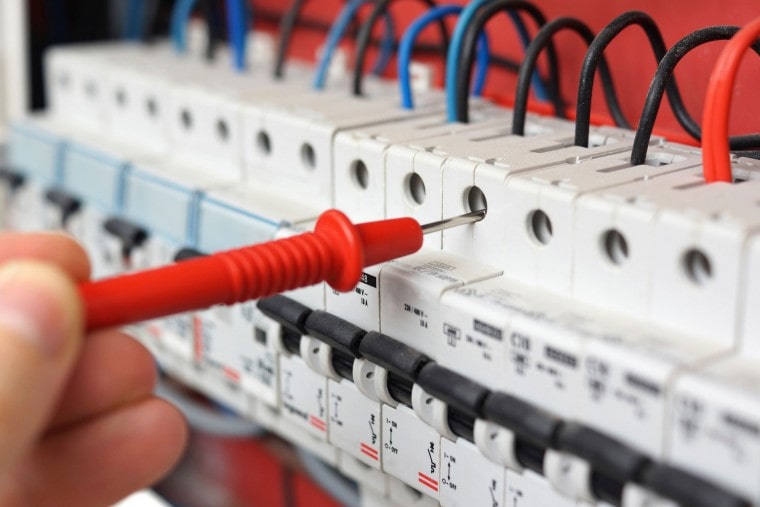
Regular maintenancekeeps electrical systems safe. Check for loose connections and damaged wires. Clean breaker panels and test breakers to ensure they work well. Fix small problems before they cause big issues. This helps circuits stay stable and trips less often.
Upgrading electrical systemsmay be needed in old homes. New appliances use more power today. Older wiring and breakers may not handle the load. Updating panels and circuits can prevent frequent trips. This improves safety and supports modern power needs.
Credit: www.electricianinperth.com.au
Troubleshooting Tripped Breakers
Tripped breakers often signal overloaded circuitsor short circuits. Overloading happens when too many devices run on one circuit. Short circuits occur when wires touch each other or metal parts. Faulty appliances can also cause breakers to trip quickly.
Resetting requires care. First, switch off all devices on that circuit. Then, flip the breaker fully to the OFF position. After a few seconds, turn it back ON. If it trips again, avoid resetting repeatedly.
Here are signs to call an electrician:
- Breaker trips immediately after resetting
- Frequent breaker trips on multiple circuits
- Burning smell or scorch marks near outlets
- Buzzing or crackling sounds from the breaker box

Credit: www.tcco.co.nz
Frequently Asked Questions
What Are Common Reasons For Circuit Breaker Trips?
Circuit breakers trip due to overload, short circuits, or ground faults. Overload happens when too many devices run simultaneously. Short circuits occur when wires touch, causing excess current. Ground faults arise from electrical leakage to the ground, triggering the breaker to protect the circuit.
How Can Overload Cause A Circuit Breaker To Trip?
Overload happens when electrical demand exceeds the breaker’s capacity. This forces the breaker to trip to prevent overheating and fires. It protects wiring by interrupting the current before damage occurs, ensuring safety and preventing electrical hazards in your home or office.
Can Faulty Appliances Cause A Circuit Breaker To Trip?
Yes, malfunctioning appliances can cause short circuits or overloads. Defective wiring or internal faults increase current flow, triggering the breaker. Identifying and repairing or replacing such appliances stops frequent trips and maintains electrical system safety and reliability.
Why Does A Circuit Breaker Trip Repeatedly?
Repeated trips often indicate persistent overload, short circuits, or faulty breakers. It may suggest wiring issues or appliance problems. Continuous tripping needs inspection to avoid electrical hazards and ensure the system’s safe operation by addressing the root cause promptly.
Conclusion
Understanding circuit breaker trips is crucial for safety. Common causes include overloaded circuits, short circuits, and ground faults. Regular checks and maintenance help prevent these issues. Identifying warning signs early can stop problems before they start. Always consult a professional electrician for complex issues.
Safety first. Simple awareness and care can protect your home and devices. Don’t ignore frequent trips; they signal a problem. Use this knowledge to keep your electrical system running smoothly. Stay informed and proactive. Your home and peace of mind depend on it.