
Planning a trip to Africa? Before you pack your bags, there’s one crucial step you can’t skip: knowing which vaccines you need.
Protecting your health isn’t just about staying safe—it’s about enjoying every moment without worry. You might wonder which shots are essential and how to prepare. Keep reading, and you’ll discover exactly what vaccines you need to travel confidently and stay healthy throughout your adventure.
Your journey starts with the right information, and we’re here to guide you every step of the way.
Essential Vaccines For Africa
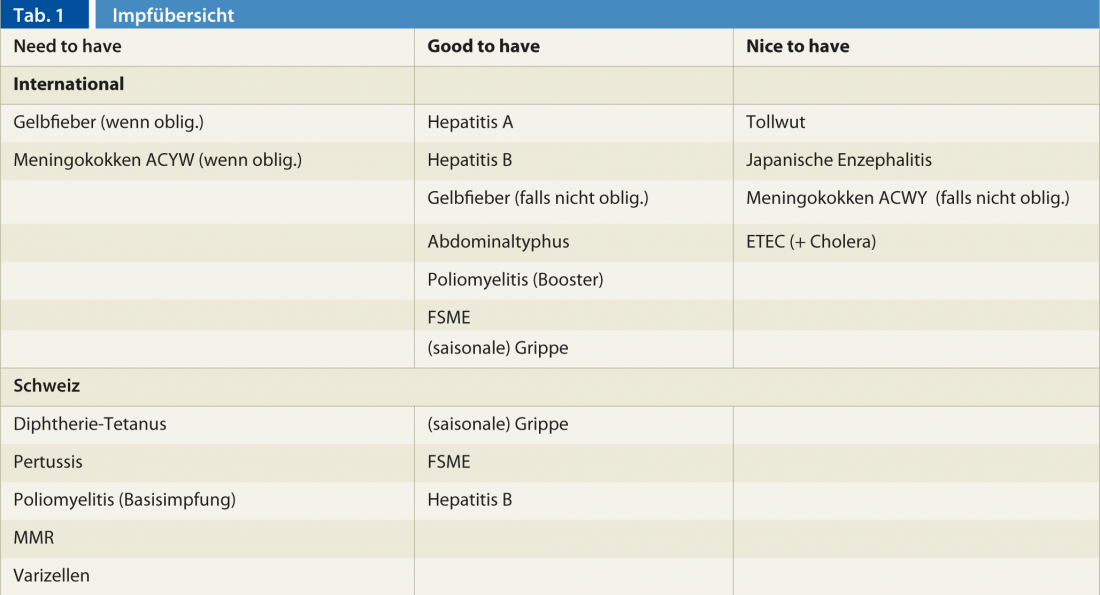
Yellow Fevervaccine is often required for travel to many African countries. It protects against a serious virus spread by mosquitoes. Some countries may ask for a Yellow Fever certificateon arrival. The vaccine is safe and usually given once for lifelong protection.
Typhoidvaccine is recommended for travelers who eat or drink outside major hotels and restaurants. Typhoid spreads through contaminated food and water. The vaccine helps prevent fever, stomach pain, and diarrhea. It is available as a shot or oral pills.
Hepatitis A and Bvaccines protect against viruses affecting the liver. Hepatitis A spreads via contaminated food and water. Hepatitis B spreads through blood and body fluids. Both vaccines are important for travelers staying longer or having close contact with locals.
Credit: www.youtube.com
Recommended Vaccines By Region
Vaccines vary by African region due to different health risks. Common vaccines include yellow fever, typhoid, and hepatitis A. Checking specific regional requirements ensures safe and healthy travel.
Malaria Prevention
Malaria is common in many parts of Africa.Use mosquito nets and insect repellent. Taking antimalarial pills before and during your trip helps a lot. Not all areas have the same risk. Check with a health expert about the right medicine for your destination.
Meningitis Vaccines
Meningitis spreads fast in the “meningitis belt.”This area covers parts of West and Central Africa. Vaccination is needed for travelers during the dry season. Getting the vaccine protects you from this serious illness.
Rabies Protection
Rabies is a risk from animal bites or scratches.Dogs and bats often carry rabies. The vaccine is important if you plan to spend time outdoors or with animals. Carry a first aid kit and seek medical help right away if bitten.
Vaccination Timing And Scheduling
Start vaccinations at least 6 to 8 weeks before traveling. This gives time for your body to build protection. Some vaccines need multiple doses over weeks. Planning early helps avoid last-minute stress.
Booster shots may be needed to keep immunity strong. Check your vaccine history. Some vaccines, like tetanus or yellow fever, require boosters every 10 years or so.
- Travel health clinics offer expert advice.
- They provide required vaccines and health tips.
- Clinics check your vaccination records.
- Appointments are recommended for personalized care.
Required Documentation
The International Certificate of Vaccinationis a key document for travel. It proves you have received required vaccines. Many African countries ask for this certificate at entry points.
This document mainly shows proof of Yellow Fever vaccination. It is required for travelers coming from countries with Yellow Fever risk. Some countries also ask for other vaccine records.
| Country | Required Vaccine | Notes |
|---|---|---|
| Kenya | Yellow Fever | Needed if arriving from infected areas |
| South Africa | Yellow Fever | Required only for travelers from high-risk countries |
| Tanzania | Yellow Fever | Certificate must be shown on entry |
| Ghana | Yellow Fever | Vaccination proof is mandatory |
| Egypt | No Yellow Fever vaccine required | May require other vaccines based on health advice |
Additional Health Precautions
Mosquito bitescan spread serious diseases like malaria and dengue. Use insect repellent with DEETor picaridin. Wear long sleeves and pants, especially at dawn and dusk. Sleep under mosquito nets in areas where malaria is common. Avoid places with standing water, where mosquitoes breed.
Safe food and water reduce the risk of sickness. Drink only bottled or boiled water. Avoid ice cubes made from tap water. Eat food that is fully cooked and served hot. Stay away from raw or undercooked meat, seafood, and street food. Wash your hands often with soap and clean water.

Credit: www.passporthealthglobal.com
Credit: medizinonline.com
Frequently Asked Questions
What Vaccines Are Mandatory For Travel To Africa?
Yellow fever vaccination is mandatory for most African countries. Proof of vaccination is required upon entry. Other vaccines depend on your destination and activities.
Which Vaccines Protect Against Diseases In Africa?
Common vaccines include hepatitis A, typhoid, and meningitis. Malaria prophylaxis may also be recommended. Consult a travel health expert for personalized advice.
Is The Yellow Fever Vaccine Required For All Travelers?
Yellow fever vaccine is required if you come from or transit through an infected area. Some African countries strictly enforce this rule to prevent outbreaks.
How Early Should I Get Vaccines Before Traveling?
Get vaccinated at least 4-6 weeks before departure. This allows your body to build immunity. Some vaccines may require multiple doses or boosters.
Conclusion
Staying healthy while traveling to Africa is essential. Vaccines play a key role. They protect you from diseases like yellow fever and typhoid. Always consult your doctor before traveling. They provide the best advice on necessary vaccinations. Research the specific requirements for each country.
Some vaccines might be mandatory. Others highly recommended. Plan ahead to ensure you are well-prepared. Vaccines keep you safe and healthy on your journey. Enjoy your trip with peace of mind. Prioritize health for a memorable African adventure. Safe travels!